No products in the basket.
Unlocking the Power of Organic Herbs in the UK: A Comprehensive Guide
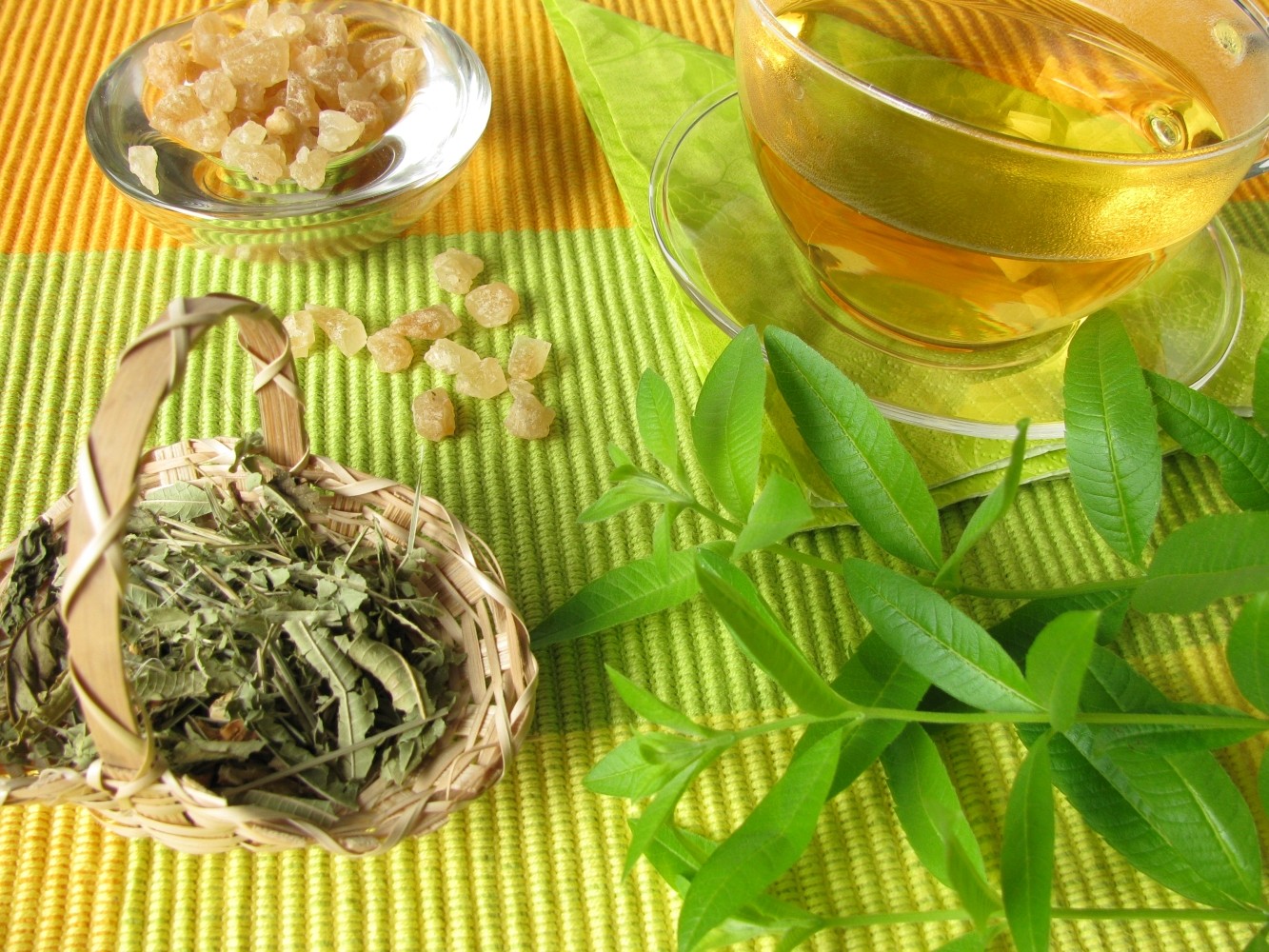
Organic herbs have surged in popularity over recent years as more people seek natural ways to enrich their diets, enhance cooking, and support environmental sustainability. These herbs, cultivated without synthetic chemicals or genetically modified organisms, offer a combination of flavor, nutrition, and eco-friendliness that appeals to gardeners, cooks, and wellness enthusiasts across the United Kingdom.
This comprehensive guide explores everything you need to know about organic herbs UK — from what defines them, why they matter, how to grow or source them, to tips for cooking and recipes that bring out their best. Whether you’re a beginner gardener or a seasoned chef, embracing organic herbs can transform your lifestyle with fresh, vibrant tastes and a deeper connection to nature.
What Are Organic Herbs UK?
Definition and Cultivation
Organic herbs UK are plants grown under strict standards that prohibit synthetic pesticides, chemical fertilizers, herbicides, and genetically modified organisms (GMOs). Instead, organic cultivation focuses on natural soil enrichment methods such as composting, crop rotation, and biological pest control. These sustainable farming techniques preserve soil health, encourage biodiversity, and reduce environmental impact.
In the UK, organic certification requires adherence to regulations set by bodies like the Soil Association and Organic Farmers & Growers. This ensures herbs labeled as organic meet high standards of purity, quality, and ethical farming practices.
Why Organic Herbs Are Important
Choosing organic herbs means more than just picking fresher or tastier leaves. It reflects a commitment to:
- Reducing chemical exposure: Conventional herbs may carry residues of pesticides and synthetic chemicals that can accumulate in the body. Organic herbs offer a safer alternative with minimal contamination risk.
- Supporting biodiversity: Organic farms nurture natural ecosystems by avoiding harmful chemicals, encouraging beneficial insects, birds, and soil microbes.
- Protecting the environment: Organic methods reduce soil erosion, water pollution, and greenhouse gas emissions compared to intensive conventional agriculture.
- Promoting animal welfare: Organic farms typically maintain higher welfare standards for animals involved in integrated farming systems.
- Encouraging local economies: Buying organic herbs UK supports small-scale, often family-run farms, contributing to rural communities.
Benefits of Organic Herbs
Higher Nutritional Value
Multiple studies suggest organic herbs often contain higher concentrations of antioxidants, vitamins, and essential oils — compounds linked to flavor, aroma, and potential health benefits. Antioxidants like flavonoids and polyphenols help protect cells from oxidative stress.
For example, organic basil has been found to have increased levels of rosmarinic acid, a potent antioxidant. Similarly, organic rosemary and thyme tend to retain higher levels of volatile oils, responsible for their distinctive fragrances and culinary qualities.
Better Taste and Aroma
Many chefs and home cooks prefer organic herbs UK because they offer richer, more complex flavors. The absence of synthetic chemicals allows plants to develop their natural defense compounds, often enhancing taste.
Environmental and Ethical Advantages
By choosing organic herbs UK, consumers help reduce reliance on harmful agrochemicals, protect pollinators like bees and butterflies, and promote soil conservation. These sustainable practices contribute to healthier ecosystems and cleaner air and water.
Growing Organic Herbs UK: Practical Tips for Gardeners
Whether you have a sprawling garden or a small balcony, growing organic herbs UK is a rewarding way to enjoy fresh, flavorful plants year-round.
Selecting a Site
Most herbs thrive in sunny locations receiving at least 6 hours of direct sunlight daily. South-facing windowsills, patios, or garden beds work well. Good air circulation also helps prevent fungal diseases.
Preparing Soil
Herbs prefer well-drained soil rich in organic matter. Amend garden beds with homemade or commercially available organic compost. Avoid heavy clay soils or amend them with sand and organic matter to improve drainage.
Choosing Your Herbs
Select herbs suited to your climate and culinary needs. Popular organic herbs UK include:
- Basil: A summer favorite, basil loves warmth and sunshine.
- Rosemary: Hardy and drought-tolerant, rosemary suits well-drained soils.
- Thyme: A versatile herb with many culinary uses.
- Parsley: A cool-weather herb that grows well in partial shade.
- Mint: Vigorous and refreshing but best kept in containers to prevent spreading.
Planting and Care
- Sow seeds or transplant seedlings following packet instructions for spacing and depth.
- Water moderately, keeping soil moist but not soggy.
- Mulch around plants to conserve moisture and suppress weeds.
- Prune and harvest regularly to encourage bushy growth and prevent flowering, which can reduce leaf quality.
Dealing with Pests Organically
Avoid chemical pesticides by introducing beneficial insects (ladybirds, lacewings), using insecticidal soaps made from natural ingredients, or spraying neem oil if necessary. Companion planting (e.g., planting marigolds near herbs) can also deter pests naturally.
Sourcing Organic Herbs UK: Where to Buy
Local Farmers’ Markets
Farmers’ markets across the UK often feature vendors selling freshly harvested organic herbs UK. Buying here means supporting local growers and accessing herbs at peak freshness.
Organic Food Stores and Co-ops
Many health food stores and co-operatives stock a variety of organic herbs, fresh or dried, sourced from UK farms.
Online Organic Herb Retailers UK
For convenience and variety, many UK-based online shops specialize in organic herbs UK, including seeds, dried leaves, powders, and herbal blends. Look for certifications such as Soil Association Organic to ensure authenticity.
Cooking with Organic Herbs UK: Tips and Tricks
Fresh vs. Dried Herbs
- Use fresh herbs to maximize flavor and nutrient content. Add fresh herbs toward the end of cooking to preserve delicate aromas.
- Dried herbs are concentrated but can lose potency over time. Store in airtight containers away from heat and light.
Timing Matters
- Hardy herbs like rosemary and thyme can withstand longer cooking times.
- Tender herbs like basil and parsley are best added just before serving.
Combining Herbs
Mixing different herbs can create unique flavor profiles. For example, blend parsley, mint, and thyme for a fresh salad dressing or use rosemary and thyme to season roasted vegetables.
Organic Herbs UK Recipes to Try
1. Caprese Salad with Fresh Basil
- 2 ripe tomatoes, sliced
- 150g fresh mozzarella, sliced
- A handful of fresh organic basil UK leaves
- Drizzle of extra virgin olive oil
- Balsamic glaze for finishing
Layer tomatoes, mozzarella, and basil on a plate. Drizzle with olive oil and balsamic glaze. Serve immediately for a simple, fresh dish.
2. Lemon Rosemary Roast Chicken
- 1 whole chicken
- 2 tbsp chopped fresh rosemary UK
- Zest of 1 lemon
- 3 cloves garlic, minced
- Salt and pepper to taste
Rub chicken with rosemary, lemon zest, garlic, salt, and pepper. Roast at 190°C for 1.5 hours or until golden and cooked through. Rest before carving.
3. Herb-Infused Quinoa Salad
- 200g cooked quinoa
- 2 tbsp chopped parsley
- 1 tbsp chopped mint
- 1 tbsp chopped thyme
- 1 diced cucumber
- 10 cherry tomatoes, halved
- Juice of 1 lemon
- 2 tbsp olive oil
- Salt and pepper to taste
Combine quinoa with herbs, cucumber, tomatoes, lemon juice, olive oil, salt, and pepper. Chill before serving.
Boost Your Wellbeing with Organic Herbs UK
While this guide focuses on culinary uses, organic herbs UK have a long-standing role in traditional herbal medicine and wellness. Herbs like chamomile, elderberry, and peppermint can be brewed into soothing teas or infused into syrups to support comfort during seasonal changes. Choosing organic ensures these herbs are free from harmful residues and packed with natural compounds.


Final Thoughts
Incorporating organic herbs UK into your life offers numerous advantages, from enhanced flavor and nutrition to supporting sustainable farming and local communities. Whether growing your own herbs or sourcing them from trusted markets and retailers, organic herbs provide an accessible way to enrich meals, connect with nature, and promote environmental responsibility.
Start with a few herbs suited to your climate and kitchen, experiment with recipes, and enjoy the vibrant, fresh taste and aroma that only organic herbs UK can offer. You can also seek knowledge online about growing techniques, harvesting tips, and creative ways to use organic herbs, helping you make the most of your home garden and cooking experiments.
Frequently Asked Questions About Organic Herbs UK
What are organic herbs UK?
Organic herbs UK are grown without synthetic pesticides, fertilizers, or GMOs. They use natural cultivation methods that support soil fertility, biodiversity, and sustainable farming practices.
Why should I choose organic herbs UK over conventional herbs?
Choosing organic herbs UK reduces exposure to chemical residues, may provide higher nutrient and antioxidant levels, and supports environmentally friendly farming.
Which herbs are best to grow organically at home in the UK?
Popular options for UK gardens include basil, rosemary, thyme, parsley, and mint. These herbs thrive in the local climate and are versatile for cooking.
How can I start an organic herb garden in the UK?
Select a sunny spot, prepare well-draining soil enriched with compost, plant your chosen herbs, water regularly, mulch to retain moisture, and harvest often to encourage growth.
Where can I buy high-quality organic herbs UK?
You can purchase them at local farmers’ markets, direct from growers, or online from certified organic retailers. Always check reviews, certifications, and shipping conditions to ensure freshness.
How do I use organic herbs UK in cooking?
Use fresh herbs whenever possible, add them at the appropriate cooking stage, and experiment with combinations to create unique flavors naturally.
Can I learn more about growing and using organic herbs UK online?
Absolutely! There are numerous online resources, blogs, and video tutorials that provide tips on cultivation, recipes, and how to maximize the benefits of your organic herbs.
Do organic herbs UK offer more benefits than dried or conventionally grown herbs?
Yes, organic herbs UK generally provide more vibrant flavors, higher antioxidant levels, and lower chemical residues, making them a healthier and more flavorful option in your kitchen.
Disclaimer:
The information provided in this blog post is for general informational purposes only and is based on information available from various online sources. It is not intended to be a substitute for professional medical advice, diagnosis, or treatment. If you have any health conditions, allergies, or are pregnant or breastfeeding, please consult a healthcare professional before consuming herbal products. Health Embassy does not provide medical advice, nor does it diagnose, treat, or cure any medical conditions.
We do not guarantee the accuracy, completeness, or usefulness of any information provided, and you rely on it at your own risk. Individual results may vary. Health Embassy is not responsible for any adverse effects or consequences resulting from the use of any herbal products discussed on this blog.