No products in the basket.
Boost Immunity Naturally: 6 Effective Herbal Supplements from Health Embassy
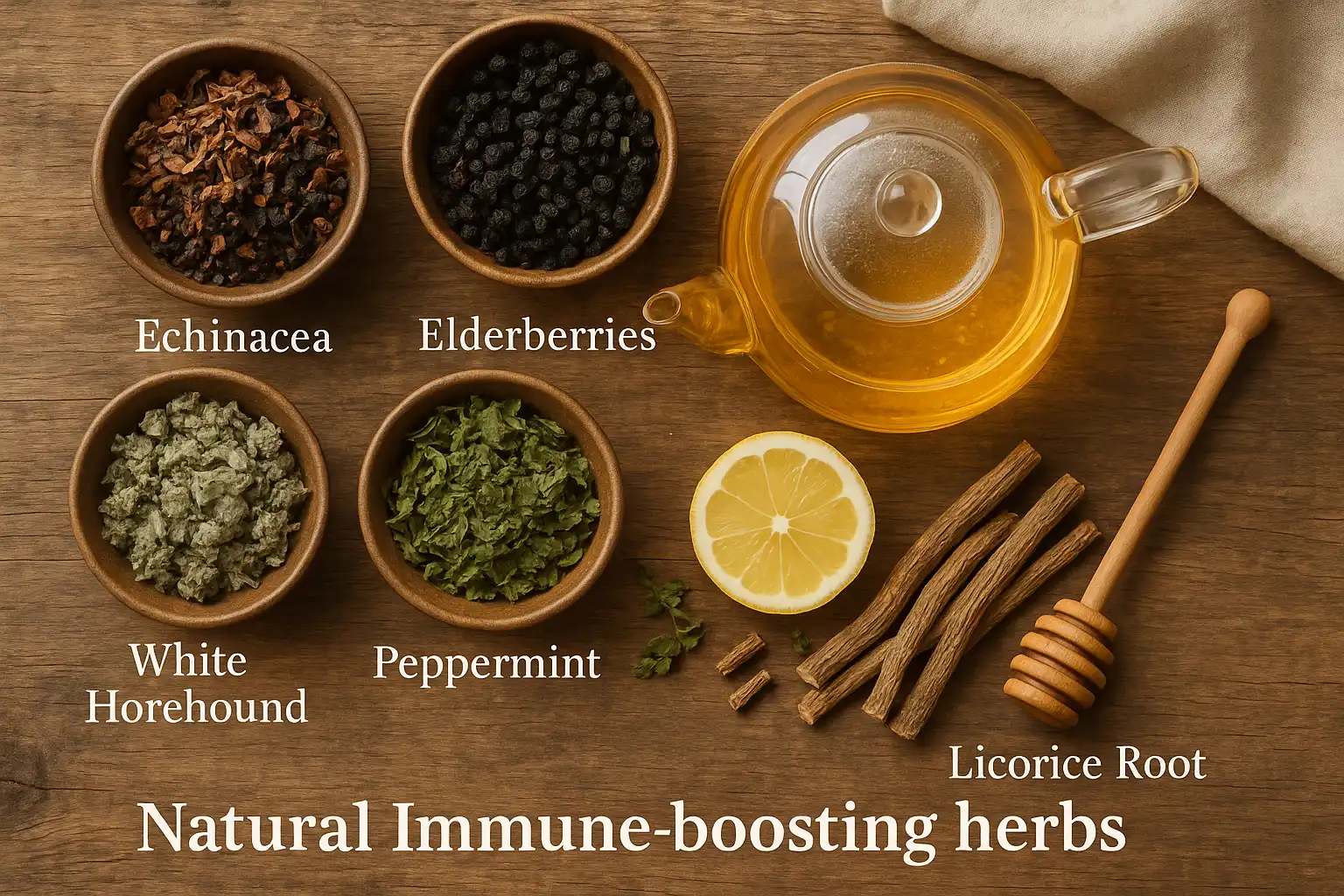
Boost immunity naturally by embracing the power of traditional herbs and botanicals. In today’s fast-paced world, our immune systems face constant challenges from environmental stressors, changing seasons, and busy lifestyles. Strengthening your body’s natural defenses doesn’t have to rely solely on synthetic options — nature has provided us with an array of plants that have been trusted for centuries.
At Health Embassy, we pride ourselves on offering premium-quality dried herbs, fruits, and seeds that you can use in teas, infusions, powders, or recipes to give your immunity the support it needs. In this comprehensive guide, we’ll explore some of our top herbal supplements, share creative usage ideas and recipes, and highlight how a balanced lifestyle complements their benefits.

Purple Coneflower Herb (Echinacea)
Botanical name: Echinacea purpurea L.
Echinacea is one of the most renowned herbs thet can boost immunity naturally. Traditionally used to help the body respond to seasonal challenges, it’s valued for its active compounds that encourage white blood cell production — a vital part of immune defense.
How to use Echinacea:
- Brew as a simple herbal tea.
- Combine with other immune herbs for a seasonal blend.
- Use as part of homemade herbal capsules.
Recipe: Purple Coneflower Herb & Lemon Immune Brew
- 1 tsp dried Purple Coneflower Herb
- 1 slice fresh lemon
- 250 ml hot water
- Steep the herb for 10 minutes, add lemon slice, and enjoy warm.

White Horehound Herb
Botanical name: Marrubium vulgare L.
White Horehound is traditionally used to support respiratory health and soothe seasonal discomforts. Its mild bitterness pairs well with honey in teas, making it a comforting winter drink.
How to use White Horehound:
- Infuse into herbal teas for soothing seasonal support.
- Add to homemade herbal syrups with honey.
Recipe: White Horehound Comfort Tea
- 1 tsp White Horehound Herb
- ½ tsp Licorice Root (optional)
- 250ml boiling water
- Steep for 5–7 minutes, strain, and sweeten lightly with honey.

Elderberry Dried Fruit
Botanical name: Sambucus nigra L.
Packed with natural pigments and antioxidants, Elderberries have been a staple in traditional immune-support practices. Dried Elderberries are versatile — perfect for syrups, infusions, and baking, they have an ability to boost immunity naturally.
How to use Elderberry:
- Make a syrup for daily use during colder months.
- Add to porridge, muesli, or baked goods.
- Blend into teas with Echinacea and White Horehound.
Recipe: Elderberry Immune Syrup
- 1 cup dried Elderberries
- 4 cups water
- 1 cinnamon stick
- 2–3 cloves
- 1 cup honey (added after cooling)
- Simmer Elderberries, cinnamon, and cloves in water for 45 minutes.
- Strain and cool.
- Stir in honey and store in a glass jar in the fridge.

Licorice Root
Botanical name: Glycyrrhiza glabra L.
Licorice Root adds natural sweetness to blends and supports a comfortable throat. It pairs beautifully with other immune herbs, balancing strong flavors.
How to use Licorice Root:
- Add small amounts to herbal tea blends for natural sweetness.
- Use in traditional decoctions with spices like ginger and cinnamon.
Recipe: Licorice & Ginger Vitality Tea
- ½ tsp Licorice Root
- ½ tsp fresh ginger slices
- 250ml boiling water
- Simmer for 5 minutes, strain, and enjoy.

Peppermint Leaf
Botanical name: Mentha × piperita L.
Peppermint Leaf refreshes the senses and supports digestion. A well-functioning digestive system is an important part of overall wellness, including immunity.
How to use Peppermint Leaf:
- Brew as a refreshing hot or cold tea.
- Combine with Elderberry for a cooling immune tea.
Recipe: Peppermint & Elderberry Cool Infusion
- 1 tsp Peppermint Leaf
- 1 tsp Elderberry Dried Fruit
- 250ml boiling water
- Steep for 10 minutes, strain, and enjoy chilled over ice.

St. John’s Wort Herb
Botanical name: Hypericum perforatum L.
St. John’s Wort has a long history in traditional wellness practices. While best known for supporting mood balance, it can be part of an overall strategy to help the body cope with seasonal changes and boost immunity naturally.
How to use St. John’s Wort:
- Brew as a simple infusion.
- Blend with Peppermint Leaf for a calming tea.
Recipe: St. John’s Wort & Elderberry Seasonal Support Tea
- 1 tsp St. John’s Wort Herb
- 1 tsp Elderberry Dried Fruit
- ½ tsp Peppermint Leaf
- 250 ml boiling water
- Steep for 8–10 minutes, strain, and enjoy warm during seasonal changes to help relax and boost immunity naturally.

Milk Thistle Seeds & Powder
Botanical name: Silybum marianum L.
Milk Thistle Seeds and Powder have long been associated with traditional uses related to liver care. Today, they are appreciated for their versatility and mild, nutty flavour, which makes them easy to incorporate into smoothies, baked goods, or salads as part of a balanced diet.

Recipe: Milk Thistle Morning Smoothie
- 1 banana
- 200ml almond milk
- 1 tbsp oat flakes
- 1 tsp Milk Thistle Powder
- Blend until smooth and enjoy.
Combining Herbs for Greater Benefits
Blending herbs creates a synergy of flavors and properties. For example:
- Echinacea + Elderberry – a classic combination to boost immunity naturally while providing a fruity, tangy taste.
- White Horehound + Peppermint Leaf – supports respiratory health while delivering a refreshing, cooling flavor.
- Licorice Root + St. John’s Wort – combines immune support with mood-balancing properties.
- Milk Thistle Seeds + Lemon Balm – aids detoxification and relaxation, contributing to overall immune resilience.
- Ginger Root + Rosehip Peel – offers warming, spicy-sweet notes with a vitamin C boost.
- Chamomile + Hibiscus Flowers – soothes the body while providing antioxidant-rich refreshment.
By mixing herbs thoughtfully, you can create blends that are both delicious and functional, making it easier to integrate them into your daily routine.
Recipe: Health Embassy Immune Blend Tea
- 1 tsp Purple Coneflower Herb
- 1 tsp Elderberry Dried Fruit
- ½ tsp White Horehound Herb
- 250ml boiling water
- Steep for 10 minutes, strain, and enjoy warm.
Lifestyle Tips to Boost Immunity Naturally
While these herbs are powerful allies, they work best alongside healthy habits:
- Eat a varied diet rich in vegetables, fruits, whole grains, and healthy fats.
- Stay hydrated throughout the day.
- Incorporate regular physical activity.
- Prioritize restful sleep.
- Manage stress through breathing exercises, mindfulness, or gentle movement.
Conclusion
When you choose to boost immunity naturally, you’re embracing a long tradition of using herbs to help the body’s defenses. The Health Embassy range offers a diverse selection of high-quality herbs, seeds, and dried fruits to create teas, infusions, syrups, and more. Whether you prefer the bold flavor of Echinacea, the comforting touch of White Horehound, or the fruity richness of Elderberry, you can find the right combination for your needs. To make the most of these ingredients, it’s worth seeking some knowledge about herbal teas online, exploring preparation techniques, blending tips, and traditional uses from different cultures.
Nature offers solutions — you just have to brew them. Boost immunity naturally!
Frequently Asked Questions About Boosting Immunity Naturally
1. What does it mean to boost immunity naturally?
To boost immunity naturally means supporting the body through wholesome nutrition, herbal ingredients, and mindful lifestyle habits. Instead of relying solely on synthetic options, this approach focuses on nature-based practices—such as drinking herbal teas, eating nutrient-rich foods, and getting enough rest—to help maintain balance and vitality every day.
2. Which herbs can help to boost immunity naturally?
Several well-known herbs have long been associated with traditional immune care. Echinacea, Elderberry, White Horehound, Licorice Root, Peppermint Leaf, and Milk Thistle Seeds are among the most appreciated. These herbs can be brewed into teas, infused in syrups, or added to blends that make daily routines more enjoyable and flavourful. Each herb brings its own distinctive aroma, taste, and natural composition.
3. Can I mix different herbs to boost immunity naturally?
Absolutely. Combining herbs can create a pleasant synergy of flavours and aromas while allowing you to enjoy a broader range of plant elements. For example, blending Echinacea and Elderberry is a traditional pairing often used during seasonal transitions. Experimenting with herbal blends can help you find the perfect combination that suits your taste and complements your wellness rituals.
4. How often should I drink herbal teas to boost immunity naturally?
Enjoying one to two cups of herbal tea daily is a simple way to include this practice in your lifestyle. You might start your day with Peppermint Tea for a refreshing lift and unwind in the evening with Chamomile Flower or Lemon Balm Tea. The key is consistency and choosing herbs that you genuinely enjoy drinking.
5. Is it possible to boost immunity naturally without supplements?
Yes, you can support your body through everyday habits. A balanced diet, regular sleep, physical activity, and the inclusion of natural herbal teas or herbs in meals can all contribute to maintaining inner balance. Many people find that simple, natural routines are both sustainable and enjoyable over the long term.
6. Can children use herbs to boost immunity naturally?
Some gentle herbs, such as Elderberry or Chamomile Flower, are often used in traditional family recipes. Still, it’s best to consult a qualified herbalist or healthcare professional to ensure appropriate forms and portions for children. Each herb can offer unique sensory experiences, from sweet to floral or minty flavours, that make them suitable for various preferences.
7. How long does it take to notice results when trying to boost immunity naturally?
When you choose to boost immunity naturally, the effects are typically gradual. Herbs work best when used consistently and as part of a balanced lifestyle. Some people integrate them into their daily tea routine for long-term enjoyment rather than expecting quick results. Patience and regular use often lead to the most rewarding experiences.
8. Are there any precautions when using herbs to boost immunity naturally?
Most herbs are considered gentle when used properly, but individual sensitivity can vary. Some may not be suitable for people taking medication or during certain life stages. Consulting a professional ensures that your chosen herbs and blends align well with your personal needs.
Disclaimer:
The information provided in this blog post is for general informational purposes only and is based on information available from various online sources. It is not intended to be a substitute for professional medical advice, diagnosis, or treatment. If you have any health conditions, allergies, or are pregnant or breastfeeding, please consult a healthcare professional before consuming herbal products. Health Embassy does not provide medical advice, nor does it diagnose, treat, or cure any medical conditions.
We do not guarantee the accuracy, completeness, or usefulness of any information provided, and you rely on it at your own risk. Individual results may vary. Health Embassy is not responsible for any adverse effects or consequences resulting from the use of any herbal products discussed on this blog.