No products in the basket.


St. John’s Wort Herb (Hypericum perforatum L.)
Price range: £6.99 through £13.99
St. John’s Wort Herb (Hypericum perforatum L.) by Health Embassy is a naturally dried, hand-packed botanical rooted in traditional European herbal practices. Traditionally, it has been used in seasonal infusions, folk blends, and plant-based preparations. Ideal for those who value time-honoured herbal ingredients in their daily routines.
Description
St. John’s Wort Herb (Hypericum perforatum L.) is a well-known botanical with a rich history in European traditions. Recognised for its bright yellow flowers and long-standing role in seasonal herbal practices, this herb is available from Health Embassy in its carefully dried, hand-packed form. Sourced and prepared with attention to quality and heritage, our St. John’s Wort Herb is ideal for a variety of traditional uses, personal botanical blends, and herbal infusions.
Botanical Identity and Key Characteristics
Botanical Classification
St. John’s Wort belongs to the Hypericaceae family and is a perennial herbaceous plant native to Europe and parts of Asia. Today, it also grows across temperate regions in North America and other parts of the world. The botanical name Hypericum perforatum refers to the tiny, translucent dots found on the leaves, which resemble perforations when held to the light.
Plant Parts Used
The dried herb typically includes the aerial parts—primarily the flowering tops and upper leaves. These are harvested around midsummer when the plant is in full bloom. Health Embassy ensures that only these valuable parts are dried and packed to preserve the plant’s traditional botanical integrity.
Appearance and Aroma
Once dried, St. John’s Wort Herb retains a greenish-yellow hue, with visual traces of flowers and leaves. Its aroma is lightly herbal and earthy, making it suitable for use in loose herb blends, homemade teas, and botanical preparations.
Cultural and Historical Background
The Origin of the Name
The common name ‘St. John’s Wort’ originates from the traditional harvest period near St. John’s Day (June 24th), coinciding with the summer solstice. Historically, this period was associated with seasonal rituals, renewal, and protection. In folklore, the herb was hung over doors or worn in midsummer garlands to symbolise warding off negativity.
Traditional Usage Across Europe
In many regions of Europe, dried St. John’s Wort Herb was a staple of household herbal collections. Traditionally, St. John’s Wort Herb was used in infusions believed to support emotional balance, promote relaxation, or assist with seasonal transitions. It was also included in homemade oils applied topically, particularly during the summer months. These historical uses are based on folk practices passed down through generations and are not supported by scientific studies. As such, they should be viewed as part of the herb’s cultural heritage rather than evidence-based applications.
Preparation Methods
St. John’s Wort Herb is highly versatile and can be prepared in several traditional ways, depending on the desired outcome. It is most commonly used as an infusion or gentle decoction.
Infusion (Herbal Tea Method)
This is the most traditional and accessible way to prepare St. John’s Wort Herb.
How to Prepare:
Use 1 to 1.5 teaspoons of dried herb per 200 ml of hot water
Heat water to approximately 90°C (just below boiling)
Pour over the herb in a teapot or mug with a strainer
Cover and steep for 5–15 minutes
Strain and enjoy warm
Decoction (Mild Simmer Method)
While St. John’s Wort Herb is not typically subjected to heavy boiling, a gentle decoction can help extract additional properties.
How to Prepare:
Use 1 tablespoon of dried herb per 300 ml of water
Place the herb and cold water in a saucepan
Gently bring to a low simmer (avoid vigorous boiling)
Simmer uncovered for 5–7 minutes
Remove from heat and cover for an additional 5 minutes
Strain before serving
Personalising Your Herbal Infusion
To create a more flavourful or visually interesting infusion, you can add complementary ingredients during steeping.
Creative Additions
Dried Fruit Slices: Apple, orange, or pear can introduce a gentle fruity sweetness
Honey or Syrups: Elderberry, raspberry, or rosehip syrups add vibrant, floral undertones
Citrus Zest or Juice: Lemon or orange zest brightens the blend and enhances aroma
Warming Spices: A small pinch of cinnamon, cardamom, or clove adds depth and warmth
These extras can be added directly to the teapot or infusion vessel and steeped with the herb for a balanced, aromatic experience.
Suggested Herbal Blending Partners
St. John’s Wort Herb pairs well with other mild, aromatic, or traditionally significant botanicals. Health Embassy offers a range of compatible herbs to help you craft custom blends.
Recommended Herbal Pairings:
Lady’s Mantle Herb (Alchemilla vulgaris): Adds gentle herbaceous tones
Chamomile Flower (Matricaria chamomilla): Softens the infusion with floral sweetness
Rose Petals (Rosa L.): Enhances both visual appeal and aroma
Yarrow Herb (Achillea millefolium): Contributes complexity and slight astringency
Elderflower (Sambucus nigra): Introduces honey-like notes with a delicate floral profile
Use equal parts of each herb or adjust to taste. Always steep with water below boiling to maintain the quality of flower-based ingredients.
Packaging and Storage
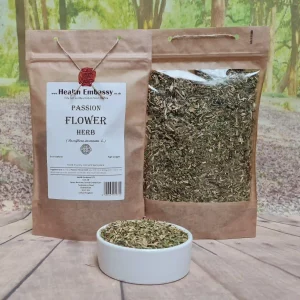
Health Embassy presents St. John’s Wort Herb in a kraft paper doypack bag equipped with a resealable zip and transparent window. This thoughtful packaging design protects the contents from air and moisture while allowing you to view the product.
Storage Tips:
Keep the bag sealed when not in use
Store in a cool, dry place away from direct sunlight
Optionally transfer to an airtight jar for long-term storage
Proper storage ensures that the herb maintains its aroma, colour, and character over time.
Sustainability and Quality Commitment
Each batch of St. John’s Wort Herb is hand-packed by Health Embassy in small quantities to maintain consistency and freshness. The herb is naturally dried without artificial additives, colours, or preservatives. This careful approach supports sustainability and preserves the heritage of traditional herbal processing.
Learn More About Traditional Use
For those interested in the historical context of St. John’s Wort, many traditional herbal texts, ethnobotanical studies, and folklore resources document its symbolic and seasonal importance. Exploring these materials can deepen your understanding of the herb’s long-standing place in cultural and plant-based traditions.
Disclaimer
This description is provided for informational purposes only and is not intended to diagnose, treat, or replace professional medical advice. If you are pregnant, nursing, taking medications, or have a health condition, consult a qualified healthcare provider before using herbal products.