No products in the basket.
The Art of Baking with Natural Flours: A Guide to 4 Natural Flours – Coconut, Hemp, Sunflower & Flaxseed
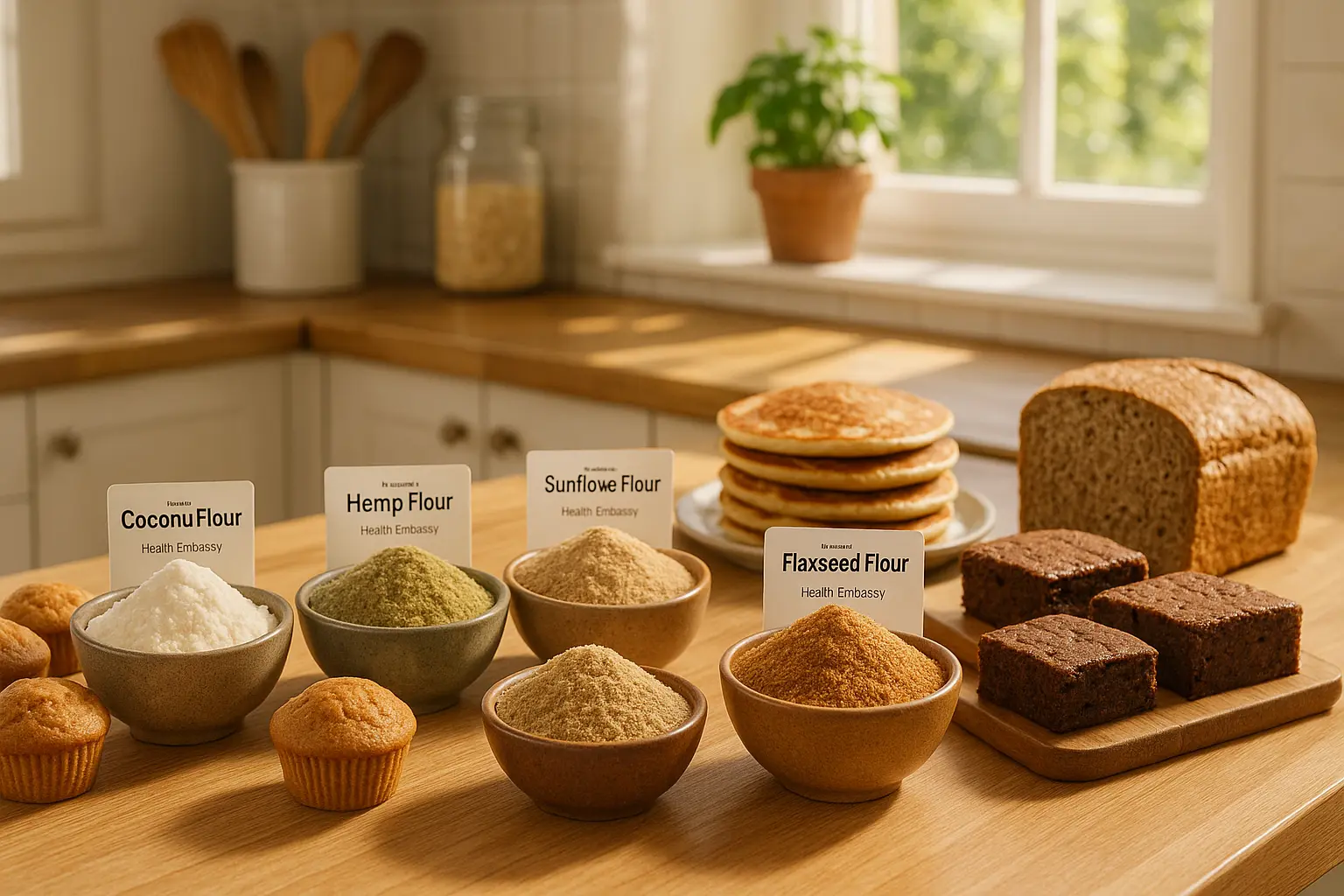
Embracing Wholesome Ingredients
The home kitchen is evolving. Gone are the days when white, all-purpose flour was the only option for bakers. Today, there’s a growing movement towards intentional eating, focusing on ingredients that offer not just structure and flavor, but genuine nutritional value. This shift has brought a delightful array of natural, nutrient-dense flours to the forefront. Baking with natural flours like those from Health Embassy—including our Coconut Flour, Hemp Flour, Sunflower Flour, and Flaxseed Flour—is more than a trend; it’s a return to wholesome, conscious cooking. This guide will demystify these powerful ingredients, helping you create delicious, health-supportive dishes that delight the palate and nourish the body.
Why Make the Switch? The Benefits of Baking with Natural Flours
Choosing to incorporate alternative flours into your diet is a decision that offers a multitude of benefits. Firstly, many of these flours, like coconut and sunflower flour, are inherently gluten-free, making them a fantastic option for those with celiac disease or gluten sensitivity.
Beyond dietary restrictions, baking with natural flours is a direct way to significantly increase the nutritional profile of your meals. These flours are often less processed than their refined counterparts, retaining their natural fiber, vitamins, minerals, and healthy fats. This means your morning muffin can contribute to your daily protein intake, support healthy digestion through fiber, and provide essential fatty acids, turning a simple treat into a functional food. The journey of baking with natural flours opens up a new world of flavors and textures, from the subtly sweet and nutty to the rich and earthy.
A Guide to Your New Pantry Staples
Each natural flour brings its own unique personality, nutritional strengths, and functional properties to the table. Understanding these is the key to successful baking with natural flours.
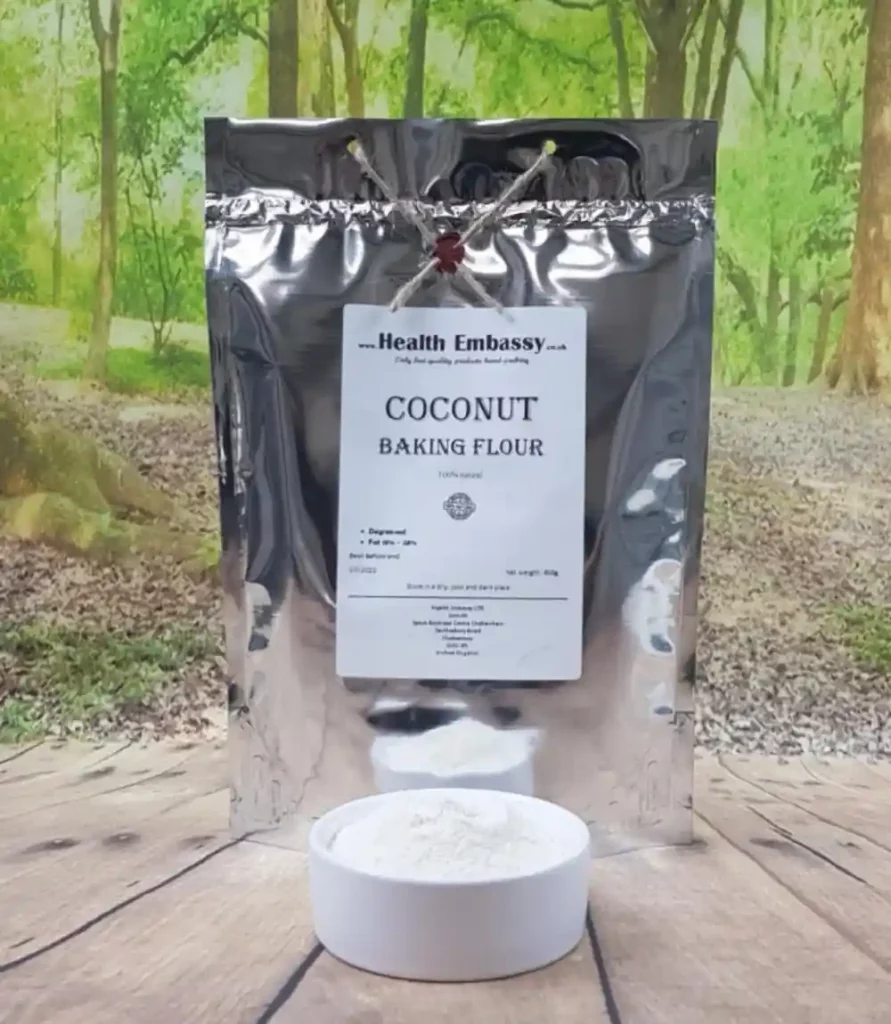
1. Coconut Flour: The Absorptive Powerhouse
Made from dried, defatted coconut meat, coconut flour is a unique and powerful ingredient. It’s incredibly high in fiber and has a very mild, slightly sweet coconut aroma that works well in both sweet and savory applications.
- Properties: It is highly absorbent, soaking up a remarkable amount of liquid. This means you cannot substitute it 1:1 for other flours. Recipes specifically designed for coconut flour use a high number of eggs to provide structure and moisture.
- Best Uses: Perfect for dense, moist baked goods like pancakes, muffins, and bread. It’s also an excellent thickener for sauces and stews.
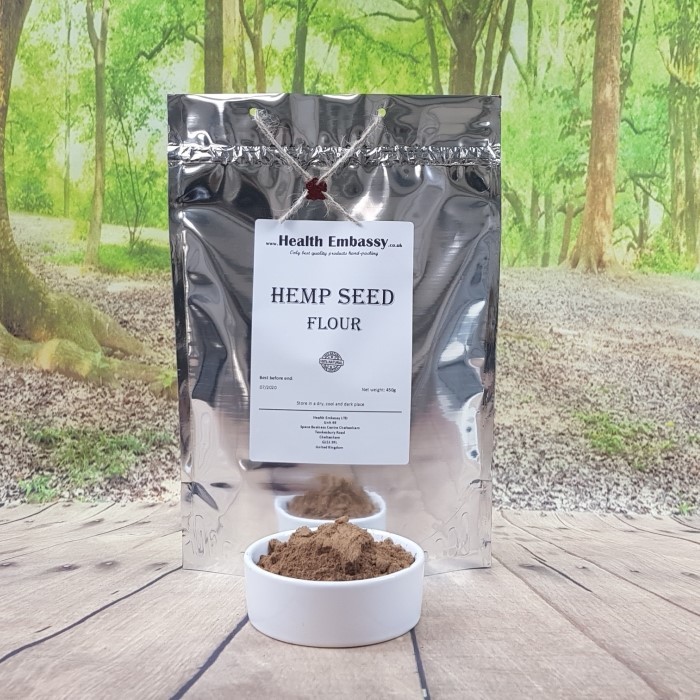
2. Hemp Flour: The Protein-Packed Green Giant
Hemp flour is produced by milling the nutrient-rich cake left after pressing hemp seeds for oil. It boasts a robust, nutty, and slightly earthy flavor profile and a distinctive green hue.
- Properties: It is renowned for its complete protein content, containing all nine essential amino acids. It’s also a great source of fiber and minerals like magnesium and iron. Since it’s low in carbohydrates, it’s a favorite in keto and low-carb baking. It has a dense texture and is best used in combination with other flours.
- Best Uses: Ideal for adding a nutritional punch and rich flavor to protein bars, brownies, dark breads, and crackers. Its natural color can be a fun addition to pastas and pancakes.
3. Sunflower Flour: The Nutrient Secret
Sunflower flour is made from cold-pressed sunflower seed meal. It offers a mild, versatile flavor that is less assertive than almond or coconut flour.
- Properties: It’s a good source of protein, fiber, and vitamin E. Its fine texture and neutral taste make it one of the easiest alternative flours to work with. It can often be substituted for up to 25% of the regular flour in a recipe to boost nutrition without drastically altering the taste.
- Best Uses: A fantastic all-purpose addition to cookies, cakes, quick breads, and as a coating for chicken or fish. It’s a true “secret weapon” for everyday baking with natural flours.
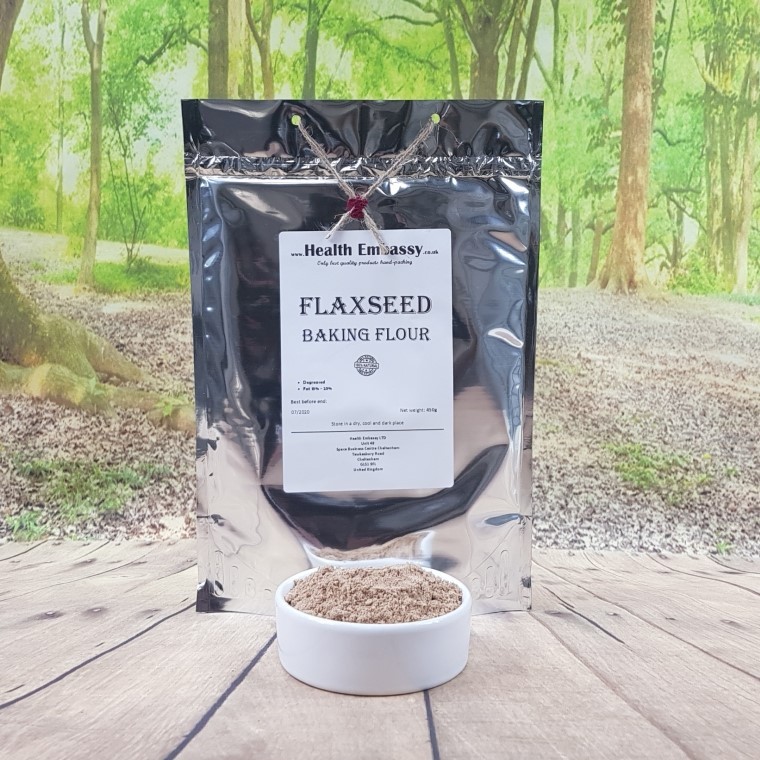
4. Flaxseed Flour: The Omega-3 Booster
Flaxseed flour (or ground flaxseed) is a nutritional powerhouse. It has a warm, nutty, and somewhat earthy taste that complements a wide range of dishes.
- Properties: It is exceptionally high in alpha-linolenic acid (ALA), a plant-based omega-3 fatty acid, and lignans, which have antioxidant properties. It’s also very high in soluble and insoluble fiber. When mixed with water, it forms a gel-like substance, making it an excellent vegan egg substitute (1 tbsp flaxseed meal + 3 tbsp water = 1 egg).
- Best Uses: Besides being an egg replacer, it’s wonderful added to oatmeal, smoothies, and yogurt for a fiber boost. In baking, it adds moisture and a hearty texture to muffins, cookies, and granola.
The Golden Rules of Baking with Natural Flours
Successfully baking with natural flours requires a slightly different approach than traditional baking. Here are some essential tips:
- Blend, Don’t Replace: Unless a recipe specifically calls for it, avoid substituting 100% of wheat flour with a single alternative flour. Start by replacing 25-30% of the all-purpose flour in a recipe with your chosen natural flour.
- Embrace Hydration: Flours like coconut and flaxseed are thirsty. You will likely need to increase the liquid ingredients in your recipe slightly. Let batters rest for a few minutes to allow the flours to fully absorb the liquid.
- Bind it Together: Many gluten-free flours lack gluten’s binding power. Rely on eggs, chia seeds, or psyllium husk powder to provide structure and prevent crumbliness.
- Expect Texture Shifts: Your baked goods will have a different, often denser and more moist, crumb. Embrace this as part of the character of wholesome baking.
Recipe Ideas to Spark Your Imagination
- Morning Glory: Add two tablespoons of Flaxseed Flour to your morning smoothie or oatmeal for a fiber and omega-3 boost.
- Savory Crunch: Use Sunflower Flour as a breading for baked chicken tenders or as a thickener in a creamy soup.
- Power-Up Brownies: Blend Hemp Flour with almond flour and cocoa powder for a protein-rich, fudgy brownie that satisfies post-workout cravings.
- Coconut Delight: Whip up a batch of light and fluffy coconut flour pancakes, using our Coconut Flour as the star ingredient for a gluten-free weekend breakfast.
Conclusion: Your Journey Awaits
Baking with natural flours is an adventure in flavor, texture, and nutrition. It’s an opportunity to be creative in the kitchen and to truly understand the ingredients that fuel your body. While there might be a learning curve, the results—delicious, satisfying, and nutrient-dense food—are immensely rewarding.
We invite you to explore the possibilities with Health Embassy’s premium selection of natural flours. Our Coconut Flour, Hemp Flour, Sunflower Flour, and Flaxseed Flour are sourced for quality and purity, providing you with the perfect foundation for your healthy baking journey. Visit our online store to discover these ingredients and transform your kitchen into a haven of wholesome, delicious creativity.
Find Your Perfect Flour: Explore Health Embassy’s Premium Selection
Ready to begin your journey of baking with natural flours? At Health Embassy, we provide premium, finely-milled flours so you can easily experiment with these nutritious ingredients.


Online store – Link: https://healthembassy.co.uk/shop/
Frequently Asked Questions (FAQ) About Baking with Natural Flours
1. What are natural baking flours?
When baking with natural flours, you’re using alternatives to highly refined white flour made from minimally processed grains, nuts, seeds, or other plant-based sources. These flours retain more of their natural fibre, protein, vitamins, and healthy fats. They also offer distinct textures and flavours, helping you create wholesome and creative baked goods that highlight the ingredients’ natural qualities.
2. Can I substitute natural flour 1:1 for all-purpose flour in my recipes?
Direct substitution isn’t always possible when baking with natural flours. Each flour—such as coconut, hemp, or flaxseed—has unique properties that affect texture, moisture absorption, and structure. A good approach is to replace only about 25–30% of the all-purpose flour in a traditional recipe with natural flour, or use recipes written specifically for these alternatives to ensure the right balance and consistency.
3. Which Health Embassy flour is best for a beginner to try first?
If you’re new to baking with natural flours, Sunflower Flour is a great place to start. It has a mild, nut-free flavour and a fine texture that works well in cookies, pancakes, muffins, and quick breads. Because it behaves more like traditional flour than some other alternatives, it’s easier for beginners to adapt to while exploring new baking possibilities.
4. Why are my baked goods with coconut flour so dry and crumbly?
This is one of the most common issues when baking with natural flours. Coconut Flour absorbs far more liquid than wheat flour, so recipes need extra moisture—usually more eggs or liquid ingredients—to achieve a soft, cohesive texture. Always use recipes formulated specifically for coconut flour, as they’re designed to balance its absorbency and prevent dry, crumbly results.
5. Are these flours suitable for a keto or low-carb diet?
Yes, many flours used for baking with natural flours are ideal for keto or low-carb diets. Coconut Flour and Hemp Flour, for example, are low in net carbohydrates and rich in fibre and healthy fats. They allow you to bake satisfying breads, cakes, and snacks while maintaining a low-carb lifestyle. Always check each product’s nutritional information to ensure it fits your dietary needs.
6. How should I store natural flours to keep them fresh?
Proper storage is essential when baking with natural flours, as many of them contain natural oils that can spoil if not kept correctly. Store flours like Hemp, Sunflower, or Flaxseed in airtight containers in a cool, dark place. For longer freshness, refrigerate or freeze them. This helps preserve their flavour, texture, and nutritional value for months.
7. Do I need to add a binder like xanthan gum when baking with natural flours?
Often, yes. Since most natural flours are gluten-free, baking with natural flours usually requires a binder to help the mixture hold together. Natural options include eggs, flax eggs, chia seeds, or psyllium husk, which provide structure and prevent baked goods from falling apart. Recipes created for specific flours typically include these binders in the correct proportions.
8. Where can I find recipes using these specific flours?
You can find a variety of recipes and ideas for baking with natural flours on the Health Embassy Blog. It features detailed guides and tips for working with Coconut, Hemp, Sunflower, and Flaxseed Flours, helping you create delicious and balanced baked goods. Each recipe is designed to make natural baking approachable and rewarding, whether you’re new to it or experienced in alternative baking.
Disclaimer:
The information provided in this blog post is for general informational purposes only and is based on information available from various online sources. It is not intended to be a substitute for professional medical advice, diagnosis, or treatment. If you have any health conditions, allergies, or are pregnant or breastfeeding, please consult a healthcare professional before consuming herbal products. Health Embassy does not provide medical advice, nor does it diagnose, treat, or cure any medical conditions.
We do not guarantee the accuracy, completeness, or usefulness of any information provided, and you rely on it at your own risk. Individual results may vary. Health Embassy is not responsible for any adverse effects or consequences resulting from the use of any herbal products discussed on this blog.