No products in the basket.
7 Soothing Herbal Remedies for Digestive Health – The Ultimate Guide
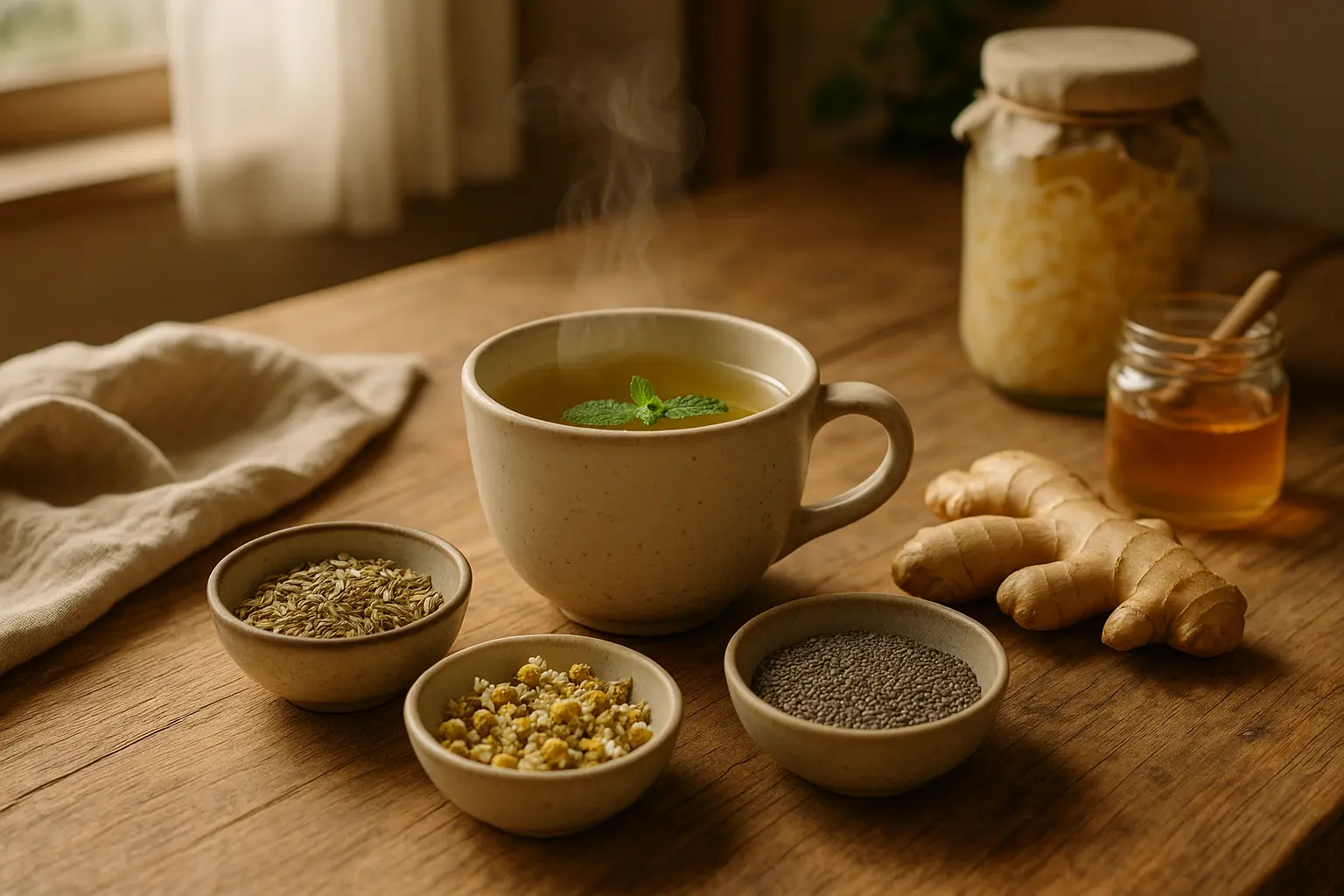
Embracing Nature’s Digestive Aids
In our fast-paced world, the simple act of eating has often become rushed, leaving little time for the body to properly process our meals. This, combined with the complexities of modern diets, can sometimes lead to feelings of discomfort. In response, a growing number of individuals are looking to complement their wellness routines with natural, time-tested approaches. This has led to a rediscovery of the botanical world, not as a replacement for modern medicine, but as a valuable part of a holistic lifestyle. This guide explores several herbal remedies for digestive health that have been traditionally used across various cultures, offering you a way to explore these ancient practices for yourself.
Understanding Digestive Wellness
Digestive health extends far beyond the absence of discomfort. It encompasses the efficient breakdown of food, the optimal absorption of nutrients, a balanced gut microbiome, and the smooth, rhythmic movement of material through the intestines (peristalsis). When this complex system is disrupted, we might experience:
- Bloating and Gas: Often a sign of fermentation, imbalanced gut bacteria, or sluggish digestion.
- Indigestion and Heartburn: A feeling of fullness, burning, or discomfort in the upper abdomen.
- Occasional Constipation or Diarrhea: Irregular bowel movements indicating disrupted motility or inflammation.
- Stomach Cramps and Spasms: Painful contractions of the digestive tract muscles.
The goal of using herbal remedies for digestive health is to address these underlying causes: to soothe irritation, stimulate digestive juices, calm spasms, support the liver, and encourage healthy bacterial growth. More information on digestive function and its support can be found here.
Understanding Your Digestive System (A Simplified Look)
To appreciate how herbal remedies for digestive health can play a supportive role, it helps to understand the basic journey of food. Digestion is a complex, coordinated series of events:
- The Mouth: Digestion begins here, where chewing breaks down food and enzymes in saliva start to process carbohydrates.
- The Stomach: Acting as a muscular bag, the stomach churns food with acidic juices to break it down further, especially proteins.
- The Small Intestine: This is where the majority of nutrient absorption occurs. Bile from the liver and enzymes from the pancreas are added here to break down fats and finalize digestion.
- The Large Intestine: Water is absorbed here, and gut bacteria ferment certain fibers, producing beneficial compounds and supporting a healthy microbiome.
The Role of Bitter Herbs
A key category in traditional herbalism is that of “bitters”. Herbs like Dandelion Root and Lovage Leaf are often characterized by their sharp, pungent flavors. The traditional thinking is that the taste of bitterness on the tongue can act as a signal to the body to prepare for digestion, potentially stimulating the production of digestive juices. This is why in many cultures, a small bitter aperitif or tonic is taken before a meal. Incorporating a few drops of a bitter tincture or a sip of a bitter tea before eating is a traditional practice some explore to awaken the digestive senses, making it one of the time-honored herbal remedies for digestive health.
The Herbal Pharmacy for Your Gut
For generations, various cultures have turned to the plant kingdom for support in maintaining digestive wellness. Across the world, people have relied on the unique properties of different herbs, incorporating them into daily routines to promote comfort and balance in the digestive system. These time-honored practices highlight the enduring value of nature’s bounty, and today, many are rediscovering these traditions as effective herbal remedies for digestive health that can complement modern approaches to wellbeing.

1. Peppermint Leaf
With its refreshing aroma and familiar flavor, peppermint leaf is a beloved herb. It is often enjoyed as a soothing beverage after meals. In traditional herbalism, peppermint is categorized as an aromatic herb, and its characteristic scent is thought to play a role in its soothing properties. It is also considered a carminative, a type of herb traditionally used to support comfortable digestion and ease feelings of fullness.

2. Chamomile Flowers
Renowned for its gentle and calming nature, chamomile is a classic herb often steeped into a mild tea. Its gentle bitter notes are thought to support the body’s own digestive processes, while its aromatic properties may help to soothe the digestive tract.

3. Licorice Root
Known for its naturally sweet and distinctive flavor, licorice root has a place in many traditional herbal blends. It is sometimes used to add a subtle sweetness to teas and other herbal preparations. It frequently appears in blends designed to support the body during times of stress, which can be closely tied to digestive comfort.

4. Dandelion Root & Leaf
Every part of the dandelion plant offers something unique. The root is considered a classic bitter tonic, known to support the body’s natural digestive secretions. The leaf is traditionally regarded for its nutritive properties and is a source of vitamins and minerals. Together, they are often used in traditions that emphasize supporting the body’s natural cleansing processes.


5. Lemon Balm Leaf
A member of the mint family, lemon balm is cherished for its bright, citrusy scent. Like other herbs in the mint family, lemon balm is considered a carminative. Its pleasant aroma and mild flavor are traditionally associated with supporting healthy digestion and easing occasional feelings of bloating, particularly when related to tension.

6. Lovage Leaf
This aromatic herb, with its robust flavor reminiscent of celery, is a traditional culinary ingredient, often used to season soups and stocks. In herbalism, lovage leaf is considered a classic bitter digestive tonic. Its strong, aromatic bitterness is thought to stimulate the digestive senses, making it a traditional choice for supporting appetite and healthy digestion when used in moderation.
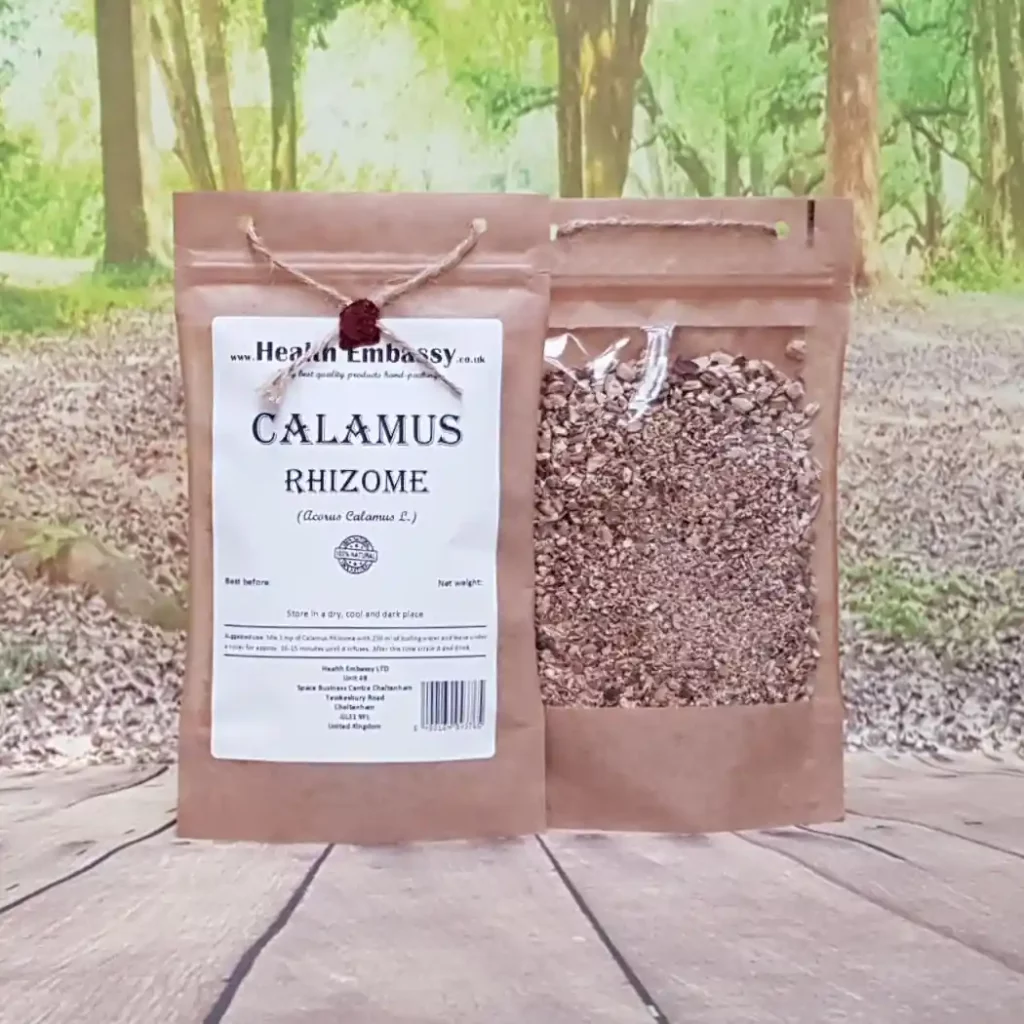
7. Calamus Rhizome
With a long history of use in various traditions, calamus rhizome is an aromatic herb known for its distinctive, spicy flavor. In herbalism, it is categorized as a bitter tonic and a classic aromatic digestive. It is traditionally believed to help support healthy digestive tone and function. Its strong, pungent aroma is thought to have a stimulating effect on the digestive processes.
Crafting Your Own Herbal Blends
One of the joys of working with dried herbs is the ability to create custom blends tailored to your taste preferences. Blending allows you to balance flavors, create synergistic combinations, and craft effective herbal remedies for digestive health that suit your individual needs.
- A Simple Soothing Blend: Try combining Peppermint Leaf (2 parts) for its refreshing quality with Lemon Balm Leaf (1 part) for its citrus notes and Chamomile Flowers (1 part) for its floral mildness. This creates a gentle and aromatic infusion perfect for any time of day.
- A Traditional Digestive Blend: Explore a more traditional-tasting blend by mixing Fennel Seeds (1 part), Lovage Leaf (½ part for its savory note), and a small piece of Licorice Root (½ part) for a touch of natural sweetness. This can be simmered into a decoction.
Exploring Herbal Preparations
Many enjoy exploring these herbs by creating simple infusions and decoctions. Steeping aromatic leaves like Peppermint or Chamomile in hot water produces a fragrant, soothing tea, while simmering harder roots, such as Licorice or Dandelion, for a longer period yields a deeper, more robust brew. These traditional methods of preparation not only allow you to experience the flavors and aromas of the herbs but also offer a practical way to incorporate herbal remedies for digestive health into your daily routine, making it easier to support digestion naturally and enjoyably.
Creating Rituals with Herbs
Beyond their potential physical properties, herbs offer an opportunity to create mindful daily rituals. The simple act of slowing down to prepare a cup of Chamomile Flowers tea is, in itself, a calming practice. The warmth of the mug, the gentle steam, and the soothing aroma all contribute to a moment of relaxation that can be beneficial for the entire system. This mindful approach to self-care—taking a moment for oneself—is a fundamental aspect of holistic wellness traditions. Herbs provide a tangible connection to these rituals of slowing down and tuning in.
A Holistic View on Wellness
Many find that a mindful approach to daily habits can complement an herbal routine. This can include eating at a relaxed pace, staying hydrated, and incorporating a variety of whole foods. Herbs like those from Health Embassy—such as our Lemon Balm Leaf or Peppermint Leaf—can be a valuable part of this holistic approach, offering their unique aromas and flavors to your wellness practices, and serving as effective herbal remedies for digestive health.
Safety and Sourcing
When exploring any new wellness practice, mindful consideration is key.
- Quality Matters: The quality of the herbs you use is paramount. It is important to source them from reputable suppliers who prioritize purity, correct botanical identification, and sustainable harvesting practices. Health Embassy takes great care in providing precisely this level of quality in all our products.
- Listen to Your Body: Everyone’s body is unique. It is always advisable to introduce one herb at a time and notice how you feel.
- Consult a Professional: If you have specific health conditions, are pregnant or nursing, or are taking medications, it is always a good practice to consult with a qualified healthcare practitioner before introducing new herbs into your routine.
Herbal Remedies For Digestive Health
Exploring the world of herbal traditions is a journey into a more mindful and holistic approach to well-being. It’s about connecting with ancient wisdom, understanding the rhythms of your own body, and finding simple, natural ways to support your daily life. From the refreshing aroma of Peppermint Leaf to the earthy depth of Dandelion Root, each herb offers a unique experience and a connection to a different cultural history.
Discover Our Herbal Collection
To explore these herbal remedies for digestive health more closely, you can browse our carefully curated selection of premium herbs. Whether you’re drawn to the refreshing Peppermint Leaf, soothing Chamomile Flowers, or uplifting Lemon Balm Leaf, each herb is available for easy purchase. Click the links below to learn more and add your favorite herbs to your wellness routine.
FAQ: Herbal Remedies for Digestive Health
1. What are herbal remedies for digestive health?
Herbal remedies for digestive health are natural plant-based solutions traditionally used to support digestion, soothe discomfort, and promote a balanced gut. Common herbs include Peppermint Leaf, Chamomile Flowers, and Lemon Balm Leaf.
2. How do these herbs support digestion?
Herbs can aid digestion in several ways: by stimulating digestive juices, calming intestinal discomfort, supporting gut microbiota, or simply providing soothing aromas and flavors during meals.
3. Can I use herbal remedies for digestive health daily?
Many people incorporate herbs like Peppermint Leaf or Chamomile Flowers into daily routines. It’s recommended to start gradually, observe how your body responds, and vary the herbs for balanced support.
4. Are there any safety considerations?
While herbal remedies for digestive health are generally safe, always source high-quality herbs, introduce them one at a time, and consult a healthcare professional if you have specific health conditions or take medications.
5. How can I prepare these herbs?
Most herbs are enjoyed as infusions or decoctions. Leaves like Peppermint and Lemon Balm are typically steeped in hot water, while roots like Dandelion or Licorice may be simmered for a longer period to extract deeper flavors.
6. Can I blend different herbs together?
Yes! Creating herbal blends allows you to combine flavors and effects. For example, a mix of Peppermint Leaf, Lemon Balm Leaf, and Chamomile Flowers can make a gentle, soothing tea ideal for digestive comfort.
7. Where can I buy high-quality herbs?
Premium suppliers like Health Embassy provide carefully sourced and hand-packed herbs suitable for everyday use. Explore their selection to find your favorite herbal remedies for digestive health.
Disclaimer:
The information provided in this blog post is for general informational purposes only and is based on information available from various online sources. It is not intended to be a substitute for professional medical advice, diagnosis, or treatment. If you have any health conditions, allergies, or are pregnant or breastfeeding, please consult a healthcare professional before consuming herbal products. Health Embassy does not provide medical advice, nor does it diagnose, treat, or cure any medical conditions.
We do not guarantee the accuracy, completeness, or usefulness of any information provided, and you rely on it at your own risk. Individual results may vary. Health Embassy is not responsible for any adverse effects or consequences resulting from the use of any herbal products discussed on this blog.