No products in the basket.
Herbal Egg Dyes: 7 Magical Herbs to Color Your Easter Eggs Naturally
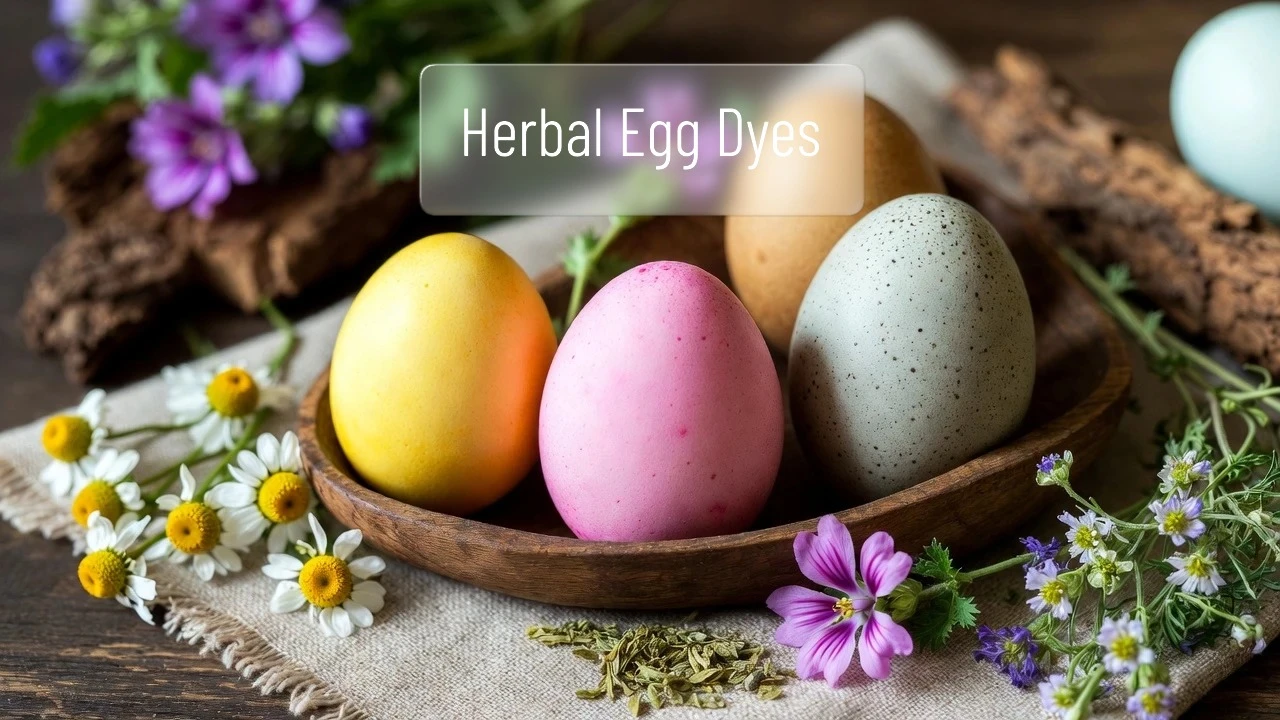
Easter is the perfect time to celebrate creativity and nature. Beyond chocolate, bunny decorations, and egg hunts, Easter eggs offer a beautiful canvas—and what better way to color them than with herbal egg dyes? This year, skip synthetic dyes and explore the botanical palette offered by Health Embassy herbs. With a few simple ingredients, you can create vibrant, pastel, and earthy tones for your Easter eggs while bringing a touch of spring into your home.
In this guide, we’ll show you how to use seven incredible Health Embassy herbs to craft stunning herbal egg dyes that are both fun and natural.
Why Choose Herbal Egg Dyes?
Herbal egg dyes have been used for centuries to color eggs, fabrics, and other crafts. They’re eco-friendly and create subtle, nuanced colors that synthetic dyes simply cannot match. Each herb brings its own shade, aroma, and personality, allowing you to customize your Easter eggs naturally.
By using Health Embassy herbs, you’re not only getting high-quality botanicals—you’re also adding a botanical magic touch to your celebrations. From soft pastels to bold hues, herbal egg dyes allow you to create a colorful, nature-inspired Easter display.
Materials Needed for Herbal Egg Dyes
To get started with your herbal egg dyes, gather the following materials:
- Hard-boiled eggs (white or light brown eggs show colors best)
- Vinegar (1–2 tablespoons per cup of water; helps the dye adhere)
- Heatproof bowls or jars for dyeing
- Spoons or tongs to handle eggs
- Paper towels for drying
- Optional: a little oil for a shiny finish
Tip: Simmer your herbs gently to extract the most color, then strain before dipping eggs.
1. Chamomile – Soft Sunny Yellow Herbal Egg Dyes
Color: Soft yellow
Notes / Tips: Light, sunny pastel yellow; simmer gently.
Chamomile is perfect for to dye easter eggs because it produces a soft golden hue. Its cheerful yellow shade adds a gentle touch of spring to your Easter table.
How to use:
- Simmer 2–3 tablespoons of dried chamomile flowers in 2 cups of water for 10–15 minutes.
- Strain and add 1 tablespoon vinegar.
- Submerge eggs for 30 minutes to an hour for soft pastel yellow.
Creative idea: Layer chamomile yellow with mallow flower dye for soft peachy tones.

2. Hibiscus – Pink to Deep Red Herbal Egg Dyes
Color: Pink → deep red
Notes / Tips: Intense color; longer soaking = deeper red.
Hibiscus flowers produce stunning shades for herbal egg dyes, ranging from delicate pinks to bold reds. They are ideal for creating eye-catching Easter eggs.
How to use:
- Simmer 2 tablespoons of dried hibiscus flowers in 2 cups of water for 10 minutes.
- Strain and add 1–2 tablespoons of vinegar.
- Dip eggs for at least 30 minutes, or overnight for deeper red shades.
Pro tip: For gradient effects, dip only half of the egg or layer over chamomile yellow.

3. Nettle Leaf – Fresh Green Herbal Egg Dyes
Color: Green
Notes / Tips: Fresh green, pastel if brief soaking; brownish green if overcooked.
Nettle leaf gives a fresh, spring green tone to herbal egg dyes. It’s ideal for adding a natural, earthy touch to your Easter creations.
How to use:
- Simmer 1–2 tablespoons of dried nettle leaves in 2 cups of water for 10–15 minutes.
- Strain and add 1 tablespoon vinegar.
- Soak eggs to achieve the desired shade.
Creative idea: Combine nettle green with hibiscus red for a subtle floral-inspired combination.

4. Barley Grass Powder – Muted Pastel Green Herbal Egg Dyes
Color: Pale green
Notes / Tips: More muted than fresh nettle; best dissolved in warm water, might need layering for deeper green.
Barley grass powder provides a soft green color, perfect for gentle pastel herbal egg dyes. It’s a muted, nature-inspired shade ideal for spring décor.
How to use:
- Dissolve 1–2 teaspoons of barley grass powder in 2 cups of warm water.
- Add 1 tablespoon vinegar and stir thoroughly.
- Submerge eggs for 30–60 minutes, stirring occasionally.
Tip: Layer over chamomile yellow for a soft spring green effect.

5. Oak Bark – Earthy Brown Herbal Egg Dyes
Color: Light brown → tan
Notes / Tips: Gives earthy, rustic shades; works best for vintage or natural Easter aesthetics.
Oak bark produces warm, natural brown tones perfect for creating a rustic, woodland-inspired Easter egg display.
How to use:
- Simmer 1–2 tablespoons of crushed oak bark in 2 cups of water for 15–20 minutes.
- Strain and add 1 tablespoon vinegar.
- Soak eggs for 1–2 hours, depending on desired darkness.
Creative idea: Pair oak bark brown with hibiscus red for subtle earth-toned rose eggs.
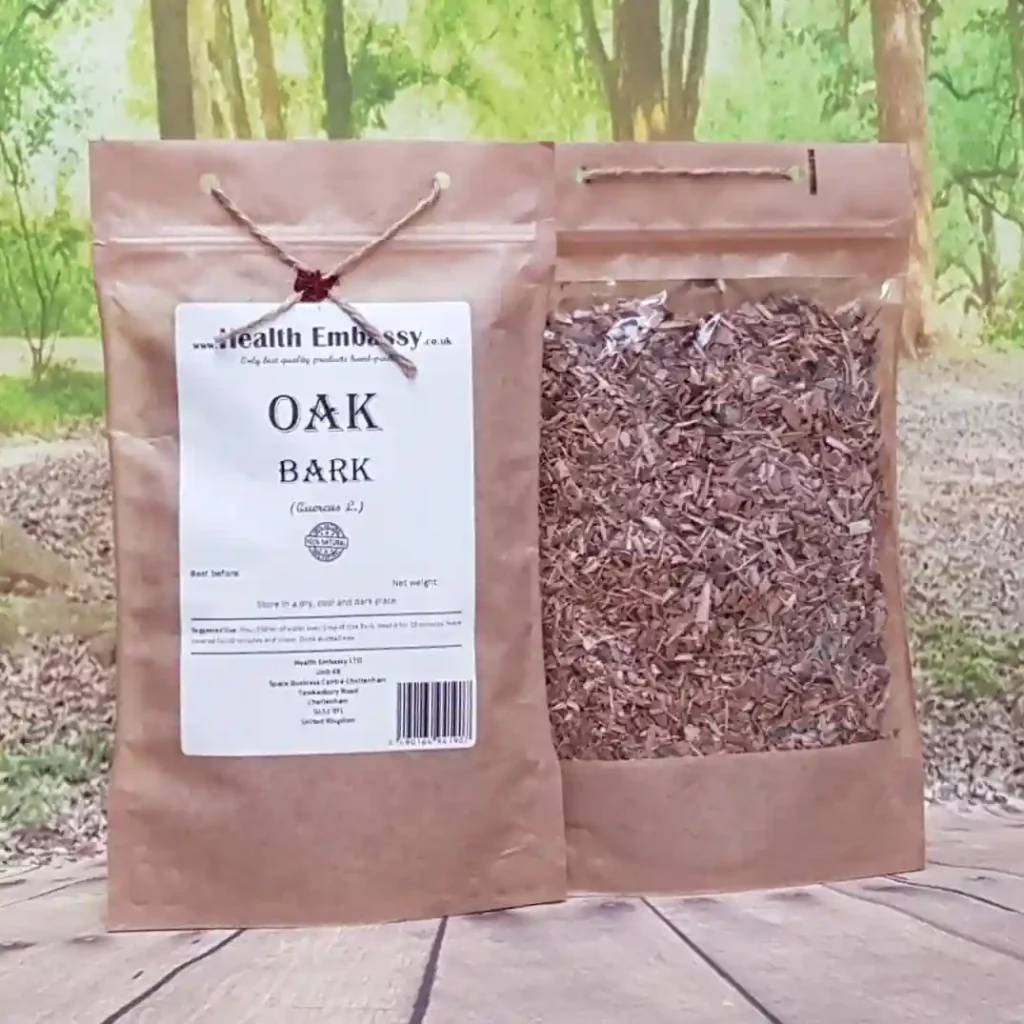
6. Mallow Flower – Delicate Pink and Lavender Herbal Egg Dyes
Color: Pale pink → lavender
Notes / Tips: Subtle, delicate tones; may need longer soaking or layering with other dyes.
Mallow flowers create romantic pastel shades for your herbal egg dyes. They’re perfect for soft, spring-inspired decorations.
How to use:
- Simmer 2 tablespoons of dried mallow flowers in 2 cups of water for 10–15 minutes.
- Strain and add 1 tablespoon vinegar.
- Soak eggs for 1–2 hours, or overnight for more vivid pastel pink or lavender.
Creative idea: Combine with chamomile yellow for soft peach tones.
7. Nigella Sativa Powder – Speckled Gray Herbal Egg Dyes
Color: Dark gray → almost black
Notes / Tips: Produces subtle speckling; best for contrast over lighter colors.
Nigella sativa, also called black cumin, adds smoky, speckled effects to your herbal egg dyes. It’s perfect for modern, artistic Easter eggs.
How to use:
- Dissolve 1–2 teaspoons of nigella sativa powder in warm water.
- Add 1 tablespoon vinegar.
- Dip eggs lightly or sprinkle powder on partially dried eggs for speckled textures.
Creative idea: Layer speckles over chamomile or mallow eggs for natural “freckled” eggs.

Tips for Stunning Herbal Egg Dyes
- Use white or light brown eggs for the clearest pastel shades.
- Simmer herbs gently—high heat can muddy colors.
- Layer colors for soft gradients and creative effects.
- Adjust soaking times: shorter = pastel, longer = deeper tones.
- Finish with a light olive oil rub for a soft, natural sheen.
Creating a Coordinated Herbal Easter Palette
With these seven Health Embassy herbs, you can craft a harmonious and visually stunning Easter collection using herbal egg dyes.
- Soft yellow: Chamomile, for gentle, sunny pastels that evoke spring mornings.
- Pastel pinks & peaches: Mallow flower combined with chamomile creates delicate, romantic shades perfect for floral-inspired designs.
- Bold reds: Hibiscus adds rich, eye-catching reds that bring energy and warmth to your arrangement.
- Greens: Nettle leaf paired with barley grass offers a range of fresh, natural greens, from soft spring tones to deeper earthy hues.
- Earthy browns: Oak bark delivers rustic, grounding shades that balance brighter colors beautifully.
- Speckled textures: Nigella sativa introduces subtle gray speckles for a modern, artistic touch.
Arrange these eggs together in a basket, on a linen cloth, or among fresh and dried herbs for a botanical Easter display that’s natural, vibrant, and Instagram-ready. This palette allows you to mix and match shades, create layered effects, and explore the full range of natural colors that Health Embassy herbs can provide, making your Easter table both creative and memorable.
Why Health Embassy Herbs Are Ideal for Herbal Egg Dyes
- High-quality botanicals: Carefully sourced, dried, and powdered for best results.
- Versatile: Perfect for DIY crafts, décor, and festive activities.
- Beautiful natural aesthetics: Soft, nuanced colors match spring themes.
- Sustainable: Eco-friendly alternative to synthetic dyes.
With Health Embassy herbal egg dyes, you’re not just coloring eggs—you’re bringing the magic of nature to your Easter celebrations.
Conclusion: Make Your Easter Eggs Truly Magical
This Easter, skip synthetic dyes and embrace the charm of herbal egg dyes. Chamomile, hibiscus, nettle leaf, barley grass, oak bark, mallow flowers, and nigella sativa powder give you a complete palette of colors and textures to create eggs that are unique, natural, and spring-inspired.
Whether you prefer soft pastels, earthy browns, or speckled textures, Health Embassy herbs provide everything you need for a beautiful, botanical Easter egg display. Layer colors, experiment with gradients, and combine herbs for unexpected shades—every egg can become a little work of art.
Using herbal egg dyes is not just about color; it’s about connecting with nature, celebrating spring, and enjoying a mindful, creative activity. Share the experience with family and friends, and turn your Easter traditions into a playful, sustainable, and artistic celebration.
Bring herbal egg dyes into your home this spring, and let every egg tell a story of color, nature, and creativity, making your Easter both memorable and magical.
Get herbs for your Easter eggs here.
FAQ – Herbal Egg Dyes
1. What are herbal egg dyes?
Herbal egg dyes are natural colors extracted from plants, herbs, and flowers. Instead of using synthetic chemicals, they create subtle, pastel, and earthy tones on Easter eggs using botanicals like chamomile, hibiscus, nettle leaf, and more. Find out more about natural egg dyes here.
2. Which Health Embassy herbs can I use for herbal egg dyes?
Some of the best Health Embassy herbs for Easter egg coloring include chamomile, hibiscus, nettle leaf, barley grass powder, oak bark, mallow flowers, and nigella sativa seeds. Each produces unique shades, from soft yellows and pinks to greens, browns, and speckled grays.
3. How do I make herbal egg dyes at home?
Simply simmer your chosen herb or flower in water, strain the liquid, add a little vinegar to help the color bind, and submerge your hard-boiled eggs. Soaking time determines the shade, with longer soaking producing richer colors.
4. Can I create pastel colors with herbal egg dyes?
Yes! Shorter soaking times or smaller amounts of herbs typically result in soft, delicate pastel shades. Layering different herbal dyes can also create unique, muted gradient effects.
5. Are herbal egg dyes safe for children to use?
Yes! Herbal egg dyes are made from natural plants and are generally safe for children under supervision. They provide a fun, eco-friendly alternative to chemical dyes, and kids can enjoy painting, dipping, and decorating eggs naturally.
6. How can I create layered or speckled effects with herbal egg dyes?
For layered colors, dip the egg in one herbal dye, let it dry, and then dip partially in another for gradient effects. To create speckles, use powdered herbs like nigella sativa sprinkled lightly on partially dried eggs.
7. Can herbal egg dyes be used on brown eggs?
Yes! Brown eggs work well for earthy tones and muted colors. While bright pastels show best on white eggs, brown eggs take on natural, rustic shades beautifully, especially with herbs like oak bark, barley grass, or nettle leaf.
8. How long should I leave eggs in herbal egg dyes for the best color?
The soaking time depends on how intense you want the color to be. For soft pastel shades, 30–60 minutes is usually enough. For deeper, richer tones, you can leave the eggs in the herbal egg dyes for several hours or even overnight in the refrigerator. Always check periodically to achieve your preferred shade.
9. Why is vinegar added to herbal egg dyes?
Vinegar helps the natural pigments bind to the eggshell. Eggshells are made mostly of calcium carbonate, and the mild acidity of vinegar slightly reacts with the surface, allowing the herbal egg dyes to adhere more effectively and produce clearer, longer-lasting color.
10. How to naturally color eggs for Easter?
You can naturally color Easter eggs using herbal egg dyes. Simmer herbs or plant powders in water, add a little vinegar, and soak hard-boiled eggs. Health Embassy herbs like chamomile, hibiscus, nettle, barley grass, oak bark, mallow flowers, and nigella sativa create soft pastels, earthy browns, and speckled tones. Layer dyes for gradients and enjoy a natural, vibrant, and eco-friendly Easter craft.
Disclaimer:
The information provided in this blog post is for general informational purposes only and is based on information available from various online sources. It is not intended to be a substitute for professional medical advice, diagnosis, or treatment. If you have any health conditions, allergies, or are pregnant or breastfeeding, please consult a healthcare professional before consuming herbal products. Health Embassy does not provide medical advice, nor does it diagnose, treat, or cure any medical conditions.
We do not guarantee the accuracy, completeness, or usefulness of any information provided, and you rely on it at your own risk. Individual results may vary. Health Embassy is not responsible for any adverse effects or consequences resulting from the use of any herbal products discussed on this blog.