No products in the basket.
7 Powerful Herbs for Hair Care: A Science-Backed Guide to Stronger, Healthier Hair Naturally
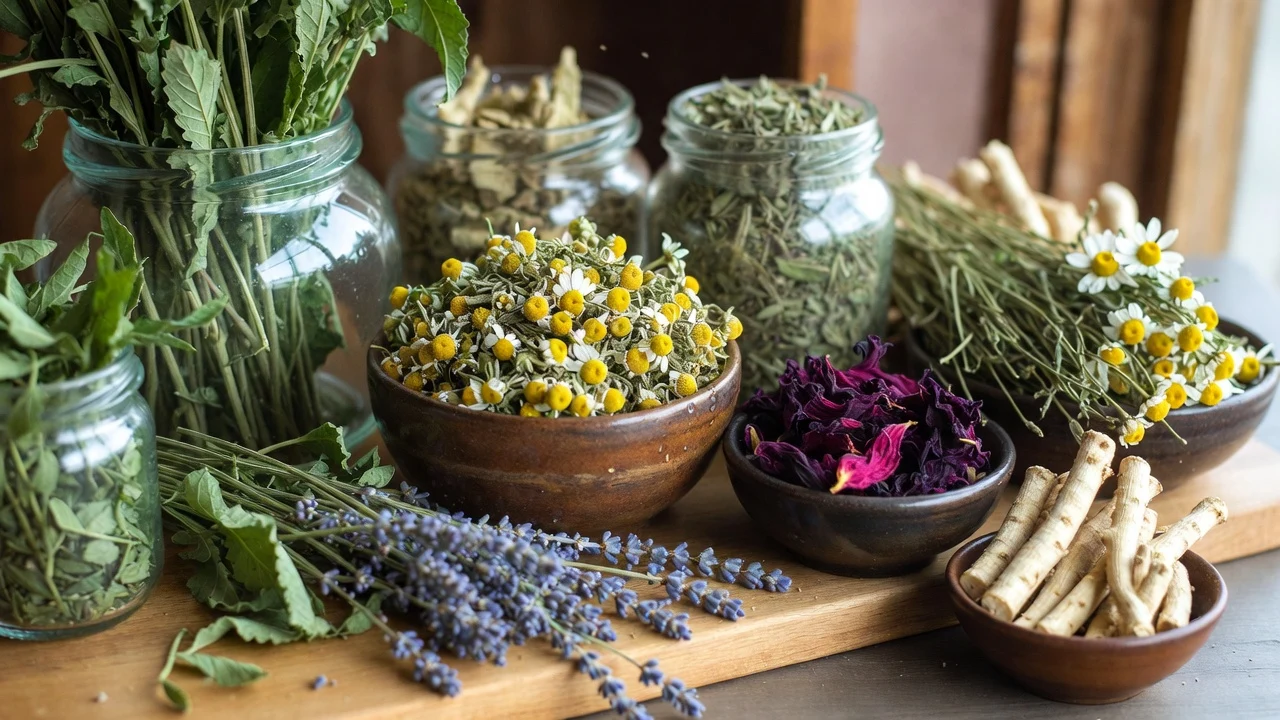
Why Herbs for Hair Care Are Making a Comeback
Modern hair care often focuses on quick cosmetic results—shine, smoothness, fragrance—while overlooking the foundation of healthy hair: the scalp and hair follicle environment. This is where herbs for hair care stand apart.
For centuries, herbal traditions across Europe and Asia relied on whole plants—leaves, roots, flowers—to cleanse the scalp, strengthen hair fibres, and support natural growth cycles. Today, this knowledge is being rediscovered as consumers seek clean, minimalist, ingredient-transparent hair care routines.
Unlike synthetic conditioners that coat the hair, many herbs work by:
- Supporting scalp balance
- Delivering minerals and plant compounds directly
- Improving circulation and follicle health
- Reducing irritation and buildup
Herbal hair care is not about instant miracles. It is about long-term hair quality, strength, and resilience.
How Herbs Support Hair Health (Beyond Hair Care Products Cosmetics)
Healthy hair is not created by surface treatments alone. While conditioners and styling products can temporarily improve appearance, long-term hair quality depends on biological processes occurring at the scalp and within the hair follicle. This is where natural herbs for hair care offer a distinct advantage.
Hair growth and strength depend on three core factors:
Scalp Condition
The scalp is living skin, and its condition directly affects follicle performance. Inflammation, chronic dryness, excess oil production, or product buildup can disrupt the hair growth cycle and weaken follicles over time. Many herbs traditionally used in hair care help soothe irritation, regulate sebum, and support the scalp’s natural barrier, creating an environment where hair can grow without constant stress.
Nutrient Availability
Hair follicles are among the most metabolically active structures in the body and require a steady supply of minerals and plant compounds to function optimally. Herbs for hair care provide these essential nutrients, including silica, iron, zinc, and other trace minerals, which play a key role in collagen formation, oxygen delivery, and keratin production. Mineral-rich herbs can support nutrient availability directly at the scalp level, complementing a balanced diet without overwhelming the skin.
Hair Shaft Integrity
Once hair emerges from the follicle, its strength depends on the structure of the hair shaft. Protein alignment, moisture balance, and elasticity determine whether hair bends or breaks. Certain herbs naturally support hydration, smoothness, and tensile strength, helping reduce breakage, frizz, and split ends without relying on synthetic coatings.
The best herbs for hair care work in harmony with these three areas. Rather than stripping the scalp or masking damage, they support the scalp’s natural microbiome and encourage healthier hair growth patterns over time. This holistic approach makes herbal hair care particularly suitable for long-term use and for those seeking a more balanced, ingredient-conscious routine.
7 Powerful Herbs for Hair Care
1. Nettle Leaf (Urtica dioica)
Nettle leaf is one of the most respected herbs for hair care in European herbal traditions, valued for its exceptional mineral profile and its ability to support long-term scalp balance.
Rather than acting as a quick cosmetic fix, nettle works at the foundation of healthy hair by improving the conditions in which hair grows.

Why Nettle Supports Hair Health
- Naturally rich in silica, iron, calcium, and magnesium, nettle helps support the structural components of hair, contributing to strength and resilience over time.
- Helps regulate excess sebum production, making it particularly useful for oily or congested scalps without over-drying the skin.
- Traditionally used to help reduce hair shedding associated with scalp imbalance, seasonal changes, or temporary weakness rather than genetic hair loss.
Nettle does not “force” hair growth or overstimulate the scalp. Instead, it supports circulation, mineral availability, and scalp comfort, allowing hair follicles to function more efficiently and consistently.
Best For
- Weak, fragile, or thinning hair
- Oily scalp prone to buildup
- Seasonal or stress-related hair shedding
How to Use Nettle for Hair Care
- Herbal hair rinse: Use a warm nettle infusion as a final rinse after shampooing to strengthen hair and refresh the scalp.
- Scalp spray: Apply a cooled nettle infusion directly to the scalp between washes to help rebalance oil production and soothe irritation.
- Mineral-rich blends: Combine nettle with horsetail to create a strengthening herbal rinse focused on mineral support and hair resilience.
When used regularly, nettle is one of the most effective herbs for hair care, becoming a cornerstone of natural routines for those seeking stronger, healthier hair without harsh ingredients or synthetic additives.
2. Horsetail Herb (Equisetum arvense)
Horsetail stands out among herbs for hair care due to its exceptionally high silica content, a mineral that plays a key role in maintaining hair strength, flexibility, and overall structure.
In traditional herbal practice, horsetail has long been used to support tissues that require resilience—hair, skin, and connective tissue.

Why Horsetail Matters for Hair Health
- Silica supports collagen formation, which contributes to the strength and elasticity of the hair shaft and surrounding scalp tissue.
- Helps improve hair shaft resilience, making hair less prone to snapping under tension or mechanical stress.
- Regular use may help reduce breakage and split ends by supporting smoother, more uniform hair structure rather than coating the hair with synthetic agents.
Horsetail is particularly beneficial among herbs for hair care for hair that feels weak, limp, or easily damaged, especially when stress comes from frequent heat styling, brushing, or environmental exposure.
Best For
- Brittle, fragile hair that breaks easily
- Hair weakened by heat tools, colouring, or styling
- Fine hair that lacks body and structural support
How to Use Horsetail for Hair Care
- Strong decoction: Simmer horsetail to create a concentrated rinse used as a final step after washing, focusing on lengths and scalp.
- Strengthening blends: Combine horsetail with nettle to create a mineral-rich herbal hair tonic that supports both scalp health and hair strength.
Used consistently, horsetail helps reinforce hair from the inside out, making it an essential herb for those aiming to improve hair durability, thickness, and long-term resilience through herbal care rather than temporary cosmetic solutions.
3. Burdock Root (Arctium lappa)
Healthy hair begins at the scalp, and burdock root is one of the most effective scalp-supporting herbs for hair care.
Used extensively in European and Asian herbal traditions, burdock is valued for its ability to cleanse, calm, and rebalance the skin without stripping or irritation.

Why Burdock Root Helps Support Hair Health
- Traditionally used for scalp cleansing, burdock helps remove buildup caused by excess oil, environmental exposure, and styling products.
- Supports skin balance and comfort, making it especially beneficial for scalps that feel tight, itchy, or reactive.
- Helps reduce dryness, flaking, and visible dandruff by addressing underlying scalp imbalance rather than simply covering symptoms.
Unlike harsh clarifying treatments, burdock works gradually but deeply. It supports the scalp’s natural renewal processes and encourages a healthier environment for hair follicles to function optimally.
Best For
- Dry, itchy, or uncomfortable scalp
- Dandruff-prone or flaky scalp
- Product buildup from regular styling or heavy conditioners
How to Use Burdock Root for Hair Care
- Scalp rinse: Prepare a slow-simmered decoction and apply it directly to the scalp after washing, gently massaging before rinsing or leaving on briefly.
- Infused oil: Use burdock root infused in a carrier oil for regular scalp massage to support comfort, circulation, and long-term scalp health.
When incorporated into a consistent hair care routine, burdock root helps restore scalp balance over time—creating the foundation for stronger, healthier, and more resilient hair growth without aggressive treatments.
4. Chamomile Flower (Matricaria chamomilla)
Chamomile is widely associated with calm and gentleness, and those qualities extend directly to scalp and hair care.
As one of the most soothing herbs for hair care, chamomile is particularly valued for its ability to support sensitive skin while enhancing the hair’s natural softness and appearance.

Why Chamomile Supports Hair Care
- Helps soothe sensitive or irritated scalp, making it ideal for individuals prone to itching, tightness, or reactivity.
- Supports the reduction of redness and discomfort, especially after frequent washing or exposure to harsh cleansing agents.
- Naturally adds softness and subtle shine, improving the look and feel of hair without weighing it down.
Chamomile is especially beneficial among herbs for hair care for those who find that conventional shampoos or fragranced products leave their scalp feeling uncomfortable or over-stimulated.
Best For
- Sensitive or reactive scalp
- Dry or fragile hair
- Naturally light-coloured hair or hair lacking brightness
How to Use Chamomile for Hair Care
- Gentle hair rinse: Use a warm chamomile infusion as a regular final rinse to calm the scalp and enhance hair softness.
- Scalp mist: Apply a cooled chamomile infusion between washes to refresh the scalp and maintain comfort throughout the day.
With regular use, chamomile helps maintain a balanced scalp environment while improving hair texture, making it a valuable addition to minimalist routines among herbs for hair care.
5. Hibiscus Flower (Hibiscus sabdariffa)
Hibiscus flower has long been considered a cornerstone of traditional hair rituals, particularly in regions where botanical hair care is deeply rooted in daily practice.
It is valued not only for enhancing hair appearance, but also for supporting strength and flexibility—making it one of the most versatile herbs for hair care.
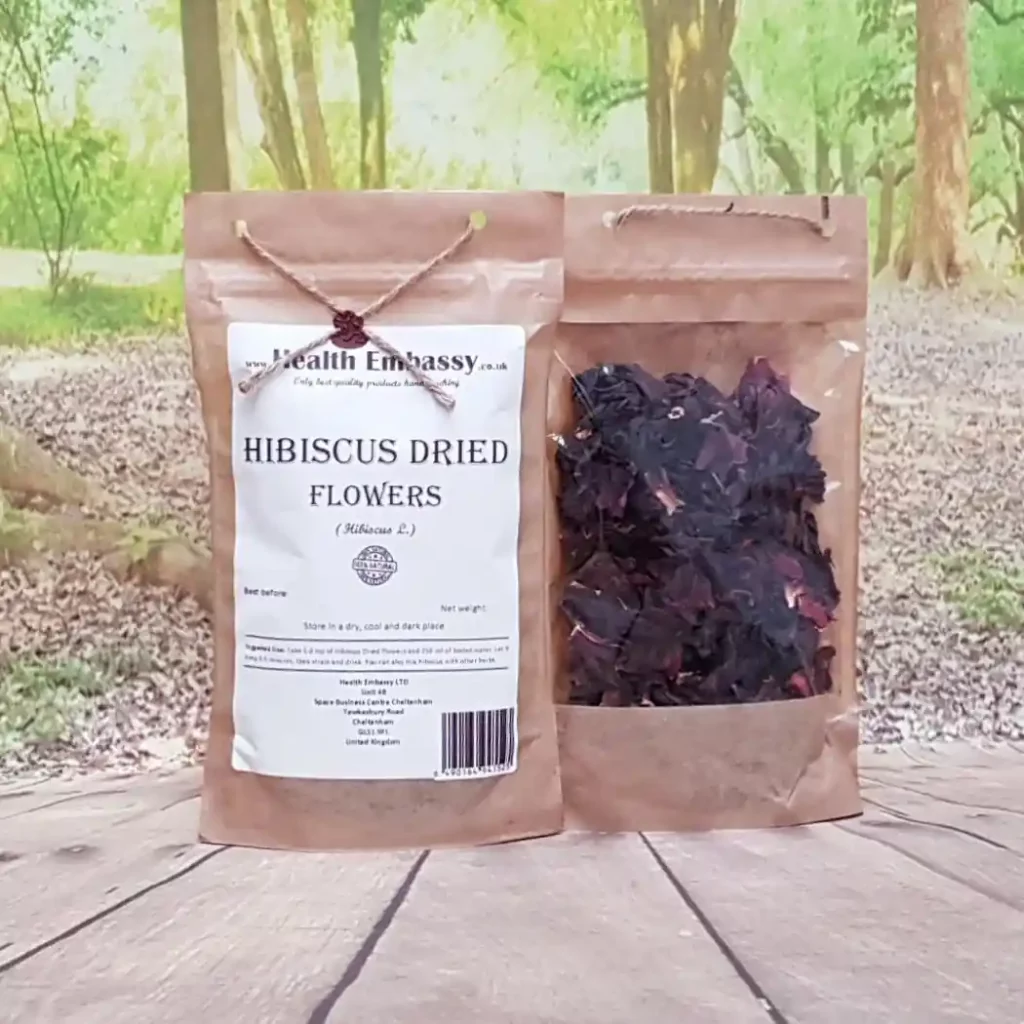
Why Hibiscus Benefits Hair Health
- Naturally rich in plant acids and antioxidants, hibiscus helps smooth the hair cuticle, improving manageability and surface shine.
- Supports hair smoothness and softness without the need for synthetic conditioners or heavy oils.
- Helps maintain hair thickness and flexibility, reducing the likelihood of breakage during brushing or styling.
Hibiscus is frequently used to revive hair that appears dull, tired, or stressed by environmental exposure, heat, or frequent washing.
Best For
- Dry or dehydrated hair
- Hair prone to breakage or rough texture
- Hair lacking shine and vitality
How to Use Hibiscus for Hair Care
- Hair masks: Use powdered hibiscus mixed with warm water or plant-based liquids to create a nourishing mask that enhances softness and shine.
- Conditioning rinse: Prepare a hibiscus infusion and use it as a final rinse to improve hair smoothness and overall appearance.
When used consistently, hibiscus helps restore natural vibrancy to the hair, making it an excellent choice among herbs for hair care for those seeking visibly healthier hair through plant-based routines rather than short-term cosmetic fixes.
6. Lavender Flower (Lavandula angustifolia)
Stress plays a larger role in hair health than many people realise, influencing scalp tension, sensitivity, and overall hair vitality.
Lavender flower addresses this connection by supporting both the scalp and the nervous system, making it a valuable component of holistic herbal hair care routines.

Why Lavender Is Valuable in Herbal Hair Care
- Helps calm irritated or over-stimulated scalp, reducing sensations of tightness or discomfort.
- Traditionally used to support scalp circulation, contributing to a healthier environment for hair follicles.
- Creates a relaxing hair care ritual, which can help reduce stress-related tension that negatively affects scalp health.
Lavender does not overwhelm the scalp or disrupt its natural balance. Instead, it offers gentle, consistent support, making it suitable for regular use and sensitive skin types.
Best For
- Stress-related scalp tension or discomfort
- Sensitive or reactive scalp
- Holistic, ritual-based hair care approaches
How to Use Lavender for Hair Care
- Infusion rinse: Use a lavender infusion as a final rinse to calm the scalp and lightly refresh the hair.
- Scalp massage oil: Apply lavender-infused oil during scalp massage to support relaxation and scalp comfort while encouraging circulation.
Incorporated into a regular routine, lavender enhances both scalp wellbeing and the overall hair care experience, reinforcing the connection between relaxation, balance, and healthy-looking hair.
7. Marshmallow Root (Althaea officinalis)
Often overlooked in herbs for hair care, marshmallow root is a true conditioning powerhouse.
Its high mucilage content makes it ideal for softening, detangling, and protecting hair, particularly for hair types that are dry, coarse, or textured.

Why Marshmallow Root Works for Hair
- Extremely high mucilage content forms a gentle, protective coating on the hair shaft, helping to retain moisture.
- Naturally detangles and softens hair, reducing friction and breakage during brushing or styling.
- Improves slip and manageability without relying on silicones or synthetic conditioners, making it perfect for natural and clean hair care routines.
Marshmallow root works best as a supportive, everyday treatment that enhances hair texture and reduces the challenges of managing coarse, curly, or frizzy hair.
Best For
- Tangled, frizzy, or hard-to-manage hair
- Dry or coarse hair textures
- Enhancing curl definition and smoothness
How to Use Marshmallow Root for Hair Care
- Cold infusion leave-in: Soak marshmallow root in cold water to create a leave-in rinse that softens and hydrates hair while you go about your routine.
- Herbal conditioner blends: Add marshmallow root infusion or powder to homemade or herbal conditioner recipes to increase moisture retention, manageability, and smoothness.
Incorporating marshmallow root into your regimen supports natural hydration, reduces breakage, and helps maintain soft, resilient, and manageable hair, making it an essential addition to herbs for hair care for anyone seeking gentle yet effective botanical solutions.
How to Use Herbs for Hair Care at Home
Herbal Hair Rinse (Basic Method)
- Add 1–2 tablespoons of dried herbs to 500 ml water
- Simmer roots or tough herbs for 15–20 minutes
- Infuse flowers or leaves for 10–15 minutes
- Strain, cool, and pour over clean hair
Herbal Scalp Tonic
- Use concentrated infusion
- Apply to scalp with spray bottle
- Do not rinse out
Herbal Oil Infusion
- Infuse dried herbs in carrier oil
- Massage into scalp weekly
- Wash out after 30–60 minutes
Why Choose Single-Ingredient Herbs for Hair Care?
Using single herbs allows you to:
- Identify what works best for your hair
- Avoid unnecessary fillers or fragrances
- Build custom hair rituals based on real needs
This approach aligns perfectly with clean, conscious hair care and gives full transparency over ingredients.
Final Thoughts: Building a Herbal Hair Care Ritual
Herbs for hair care are not a trend—they are a return to intelligent, plant-based self-care. By supporting the scalp, strengthening hair naturally, and respecting the body’s rhythms, herbal hair care offers results that last beyond surface appearance.
Whether your goal is stronger hair, a calmer scalp, or a more intentional routine, these herbs provide a foundation you can build on for years.
FAQ – Herbs for Hair Care
1. What are the best herbs for hair care?
The best herbs for hair care include nettle, horsetail, burdock root, chamomile, hibiscus, lavender, and marshmallow root. Each herb offers unique benefits, from strengthening hair shafts to soothing the scalp.
2. How do herbs for hair care improve scalp health?
Herbs for hair care work by balancing oil production, reducing irritation, and supporting circulation at the scalp, creating optimal conditions for healthy hair growth.
3. Can herbs for hair care reduce hair breakage?
Yes. Many herbs, such as horsetail and marshmallow root, strengthen hair from the inside and improve elasticity, helping to minimize breakage and split ends.
4. Are herbs for hair care suitable for all hair types?
Absolutely. Different herbs target different needs: chamomile for sensitive scalps, hibiscus for dull or dry hair, and marshmallow root for curly or frizzy hair. A customized blend can benefit any hair type.
5. How should I use herbs for hair care in my routine?
Herbs for hair care can be used as rinses, infusions, scalp sprays, or incorporated into masks and conditioners. Regular use provides the best results for scalp balance and hair strength.
6. How long does it take to see results from herbs for hair care?
With consistent use, many people notice improvements in scalp comfort, hair softness, and shine within 4–6 weeks. Full benefits for strength and growth often appear after a few months of routine use.
7. Can herbs for hair care replace conventional shampoos or conditioners?
Herbs for hair care complement modern hair routines and can reduce reliance on harsh chemicals. While they may not fully replace shampoos for everyone, they enhance scalp health, improve hair quality, and reduce the need for synthetic conditioners over time.
Disclaimer:
The information provided in this blog post is for general informational purposes only and is based on information available from various online sources. It is not intended to be a substitute for professional medical advice, diagnosis, or treatment. If you have any health conditions, allergies, or are pregnant or breastfeeding, please consult a healthcare professional before consuming herbal products. Health Embassy does not provide medical advice, nor does it diagnose, treat, or cure any medical conditions.
We do not guarantee the accuracy, completeness, or usefulness of any information provided, and you rely on it at your own risk. Individual results may vary. Health Embassy is not responsible for any adverse effects or consequences resulting from the use of any herbal products discussed on this blog.