No products in the basket.
7 Powerful Natural Remedies for Bloating and Indigestion: Gentle Herbal Support for Digestion
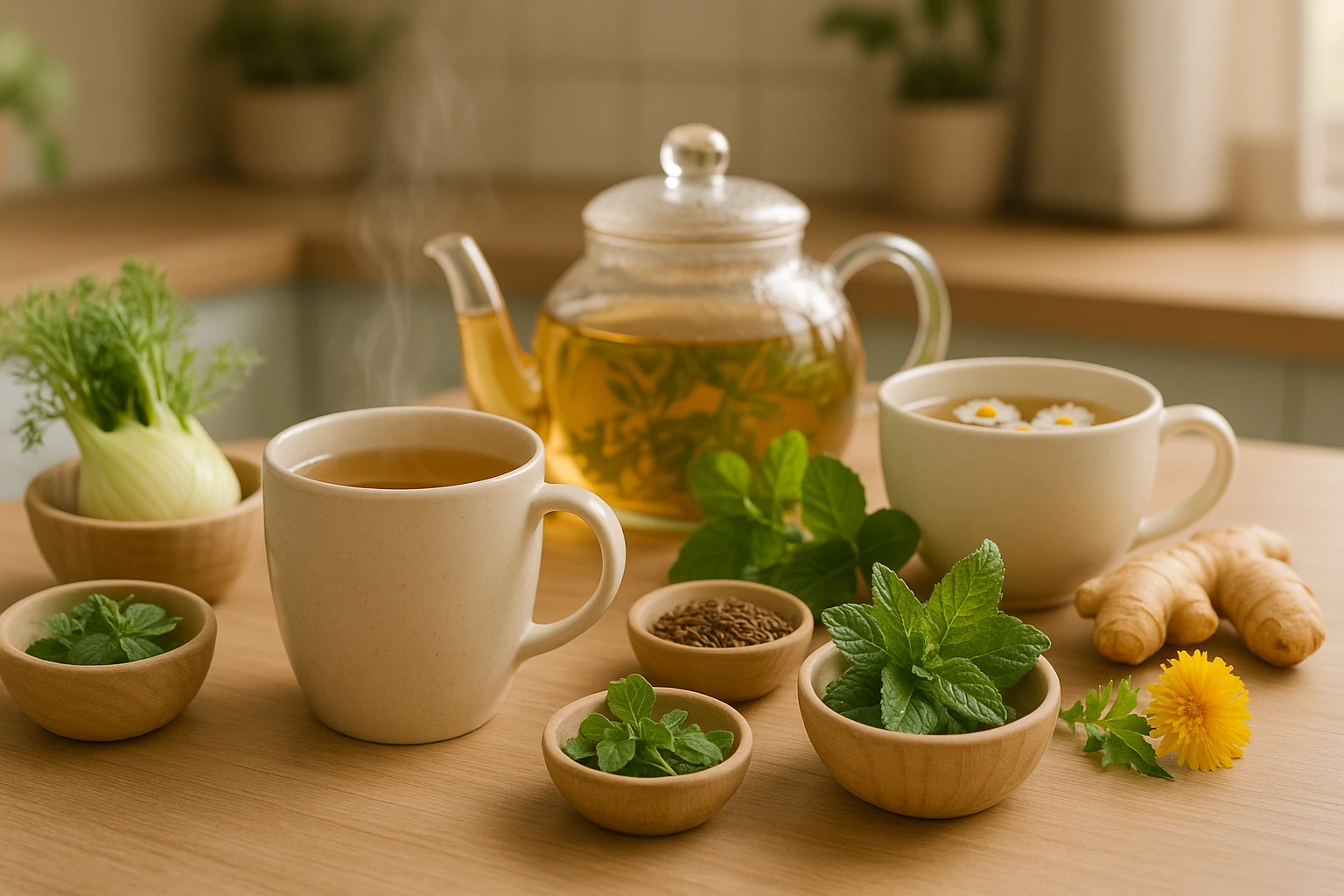
Bloating and indigestion are among the most common digestive issues, affecting people of all ages and lifestyles. Many experience occasional discomfort after a large meal, while others struggle with frequent feelings of heaviness, gas, or abdominal fullness that can interfere with daily activities. These digestive challenges are often caused by a combination of dietary habits, stress, and individual sensitivities to certain foods, and they can lead to not only physical discomfort but also a sense of frustration or fatigue.
Fortunately, there are gentle, safe, and effective ways to support digestion naturally. By incorporating natural remedies for bloating into your routine, you can reduce discomfort, improve digestive function, and support overall wellbeing without relying on harsh medications. From soothing herbal teas to simple dietary practices, these remedies offer practical solutions that can be easily integrated into everyday life.
In this guide, we explore 7 powerful home remedies for bloating and indigestion, featuring common herbs and easy techniques that can be prepared and used at home. Each remedy is designed to help ease discomfort, promote regular digestion, and encourage a healthier, more comfortable digestive system, providing a natural approach to managing bloating and indigestion.
Understanding Bloating and Indigestion
Bloating occurs when the digestive tract accumulates excess gas, leading to a feeling of fullness or tightness. Indigestion can cause heaviness, mild nausea, or discomfort in the upper abdomen. Common triggers include:
- Overeating or eating too quickly
- High-fat or processed foods
- Carbonated beverages
- Food intolerances or sensitivities
- Stress or irregular eating patterns
By using natural remedies for bloating, you can gently support digestion and reduce these uncomfortable symptoms.
Ginger and Lemon Infusion to Soothe Digestive Discomfort
Ginger is widely celebrated for its digestive benefits, helping to reduce bloating, ease nausea, and stimulate smooth digestion. When combined with fresh lemon, it creates a refreshing and invigorating infusion that not only supports digestive health but also provides a gentle, natural boost for overall wellbeing. This combination works harmoniously to calm the stomach and alleviate feelings of heaviness after meals.
Preparation:
- Slice a small piece of fresh ginger or use dried ginger.
- Add the ginger to a cup of hot water along with a few slices of fresh lemon.
- Allow the infusion to steep for 5–7 minutes, letting the flavors and natural compounds blend together.
- Strain the tea and sip it slowly, either before or after meals, for the best digestive support.
Drinking this warming and zesty infusion regularly is a simple way to integrate natural remedies for bloating into your daily routine, helping to maintain a comfortable and healthy digestive system.
Calming Peppermint Tea to Relieve Post-Meal Bloating
Peppermint is a well-known herb valued for its ability to relax the digestive tract, reduce excess gas, and ease feelings of fullness or bloating. A simple peppermint tea can be an incredibly effective and natural solution for soothing digestive discomfort, making it one of the most popular natural remedies for bloating. Its gentle menthol compounds help relax the stomach muscles and support smooth digestion, providing quick relief after heavy meals.
Preparation:
- Measure 1–2 teaspoons of dried peppermint leaves.
- Steep the leaves in a cup of hot water for 5–8 minutes, allowing the natural oils to infuse.
- Strain the tea and sip slowly, preferably after meals, to maximize its calming effect.
Regularly enjoying peppermint tea is an easy and soothing way to incorporate natural remedies for bloating into your daily routine, helping maintain digestive comfort and support overall wellbeing.
Gentle Chamomile and Lemon Balm Tea to Soothe Digestive Discomfort
Chamomile and lemon balm are two calming herbs long valued for their ability to relax the digestive system and alleviate mild discomfort. When combined, they create a gentle, soothing tea that not only supports digestion but also encourages relaxation, making it an ideal choice for evening consumption. This herbal blend works naturally to ease bloating, reduce stomach tension, and promote a sense of comfort after a long day.
Preparation:
- Combine 1 teaspoon of chamomile flowers with 1 teaspoon of dried lemon balm leaves.
- Steep the herbs in hot water for 7–10 minutes, allowing their calming properties to infuse fully.
- Strain the tea and sip slowly, focusing on deep, relaxing breaths as you drink.
Incorporating this tea into your evening routine is a gentle way to unwind while supporting digestion. It pairs perfectly with other natural remedies for bloating, helping maintain digestive comfort and overall wellbeing.
Detoxifying Dandelion Leaf Infusion for Digestive Support
Dandelion leaves have been traditionally used to support liver function, promote natural detoxification, and aid digestion. Drinking a warm infusion of dandelion leaves can help reduce bloating, support regular digestive processes, and contribute to overall digestive comfort. This herbal infusion works gently, making it a reliable addition to your collection of natural remedies for bloating.
Preparation:
- Add 1–2 teaspoons of dried dandelion leaves to a cup of hot water.
- Allow the leaves to steep for 10 minutes to release their natural compounds.
- Strain the infusion and sip slowly, ideally once daily, to support digestion and maintain a feeling of lightness.
Regularly consuming dandelion leaf infusion can complement other herbal remedies, enhancing digestive wellness and providing a natural way to reduce bloating. This gentle approach fits seamlessly into a routine focused on natural remedies for bloating.
Incorporating Digestive Herbs into Everyday Meals for Continuous Support
While teas and infusions are highly effective, you can also support your digestion by incorporating herbs directly into your daily meals. Using herbs in cooking is a practical and enjoyable way to maintain consistent digestive support, making it easier to integrate natural remedies for bloating into your lifestyle.
Some simple ways to include these herbs in your meals include:
- Sprinkle ginger or fennel seeds into soups, stir-fries, roasted vegetables, or baked goods to enhance flavor and promote digestion.
- Add dandelion leaves to fresh salads, smoothies, or grain bowls for a mild, nutritious boost that supports liver function and reduces bloating.
- Infuse peppermint or chamomile into herbal salad dressings, beverages, or chilled teas to provide gentle, soothing effects throughout the day.
By regularly incorporating these herbs into meals, you create a continuous, natural approach to digestive wellness. These culinary applications work harmoniously with other natural remedies for bloating, helping maintain comfort, reduce bloating, and support overall digestive health.
Additional Tips for Digestive Comfort
While herbal remedies are highly effective, their benefits are maximized when combined with healthy lifestyle practices. Paying attention to your eating habits, hydration, and stress levels can significantly enhance the effectiveness of natural remedies for bloating and help maintain overall digestive health, as recommended by Harvard Health Publishing
Here are some practical tips to support digestion:
- Eat slowly and chew thoroughly: Taking time to chew food properly aids digestion and reduces the risk of swallowing excess air, which can contribute to bloating.
- Avoid overeating and heavy late-night meals: Large or late meals can put stress on the digestive system, increasing feelings of fullness and discomfort.
- Stay well-hydrated: Drinking plenty of water helps move food smoothly through the digestive tract and can reduce bloating caused by dehydration.
- Include fiber-rich foods in your diet: Fiber from fruits, vegetables, and whole grains supports regular bowel movements and helps prevent constipation, a common cause of bloating.
- Manage stress through relaxation or gentle exercise: Stress can interfere with digestion, so practices such as yoga, meditation, or a short walk can promote digestive comfort and reduce bloating.
By integrating these habits alongside herbal remedies, you create a holistic routine that enhances the effects of natural remedies for bloating, promoting lasting digestive comfort and overall wellbeing.
Embracing Natural Remedies for Bloating to Support Digestive Health
Bloating and indigestion can be uncomfortable and sometimes disruptive, but they can often be managed naturally through simple, consistent home remedies. Incorporating herbs such as fennel, ginger, peppermint, chamomile, lemon balm, caraway, and dandelion provides gentle, effective support for the digestive system. These herbs work in harmony to ease gas, promote regular digestion, and reduce feelings of heaviness after meals.
When combined with mindful eating habits, proper hydration, and other healthy lifestyle practices, these remedies form a comprehensive approach to digestive wellness. Creating a daily routine that includes herbal teas, infusions, or culinary uses of these herbs allows you to address bloating proactively, rather than simply reacting to discomfort.
By embracing these natural remedies for bloating, you can experience improved digestive comfort, enhanced overall wellbeing, and a greater sense of balance in your daily life. Over time, consistent use of these strategies can help you maintain a healthier, lighter, and more comfortable digestive system naturally.
Explore Our Herbal Products for Digestive Support
For the convenience of our readers, we also provide links to some of the high-quality herbal products that can help support your digestive health. You can explore and purchase these herbs directly:


These products can be easily incorporated into teas, infusions, or meals as part of your routine of natural remedies for bloating.
FAQ – Natural Remedies for Bloating
1. What are the most effective natural remedies for bloating?
The most effective natural remedies for bloating include herbal teas made from peppermint, chamomile, lemon balm,and dandelion. These herbs help relax the digestive tract, reduce gas, and promote smooth digestion.
2. How can I prevent bloating naturally at home?
To prevent bloating naturally, eat slowly, avoid overeating, drink plenty of water, include fiber-rich foods in your diet, and use natural remedies for bloating such as herbal teas and infusions after meals.
3. Which herbs are best for digestive discomfort?
Herbs like ginger, peppermint, chamomile, lemon balm, and dandelion are excellent for easing digestive discomfort. Regular use as teas or in meals can provide gentle support as part of natural remedies for bloating.
4. Can drinking herbal teas help with bloating?
Yes! Drinking herbal teas such as fennel and caraway tea, ginger and lemon infusion, or peppermint tea is a widely recommended approach among natural remedies for bloating. These teas help calm the stomach and improve digestion.
5. How long does it take for natural remedies to reduce bloating?
The effectiveness of natural remedies for bloating varies depending on the individual and the cause of bloating. Many people notice relief within 30–60 minutes of drinking a soothing herbal tea, while consistent use over days or weeks can improve overall digestive health.
6. Can I combine multiple herbal remedies for bloating?
Yes, combining herbs like peppermint, and chamomile in teas or meals is safe and can enhance the digestive benefits. Using a variety of natural remedies for bloating ensures a balanced approach to reducing gas and discomfort.
7. Are there lifestyle changes that complement natural remedies for bloating?
Absolutely. Eating slowly, avoiding heavy late-night meals, staying hydrated, managing stress, and incorporating light exercise can all complement natural remedies for bloating, maximizing their effectiveness and promoting long-term digestive comfort.
8. What are the best ways to prevent bloating naturally?
The best ways to prevent it include eating slowly, avoiding overeating, staying hydrated, including fiber-rich foods in your diet, managing stress, and using gentle herbal teas like fennel, ginger, peppermint, chamomile, and lemon balm as part of your routine.
9. When should I be concerned about frequent belching, gas, and bloating?
While occasional belching gas and bloating is common, you should be concerned if these symptoms are persistent, severe, or accompanied by pain, unexplained weight loss, or other digestive issues. In such cases, it’s important to consult a healthcare professional for proper evaluation.
Disclaimer:
The information provided in this blog post is for general informational purposes only and is based on information available from various online sources. It is not intended to be a substitute for professional medical advice, diagnosis, or treatment. If you have any health conditions, allergies, or are pregnant or breastfeeding, please consult a healthcare professional before consuming herbal products. Health Embassy does not provide medical advice, nor does it diagnose, treat, or cure any medical conditions.
We do not guarantee the accuracy, completeness, or usefulness of any information provided, and you rely on it at your own risk. Individual results may vary. Health Embassy is not responsible for any adverse effects or consequences resulting from the use of any herbal products discussed on this blog.