No products in the basket.
Understanding Herbal Names in the UK: How Scientific Names Unlock the True Power and Clarity of Herbalism and Folk Medicine
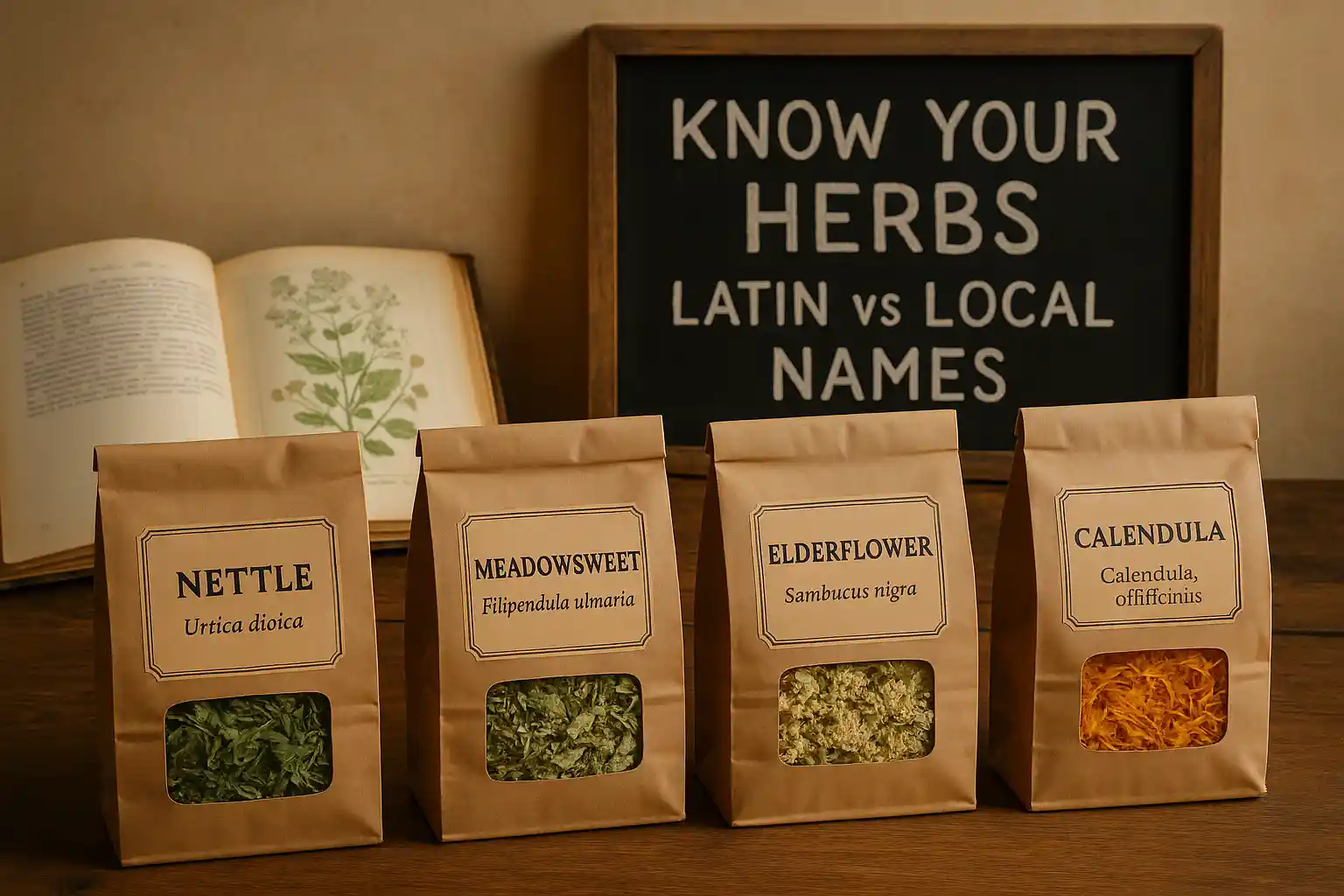
Herbal names can vary dramatically across the United Kingdom, reflecting centuries of folk tradition, regional dialects, and cultural practices. While herbalism and folk medicine have deep roots in Britain and Ireland, the abundance of local or “folk” names for individual herbs often leads to confusion — both for experienced herbalists and everyday consumers. A single plant might be known by one name in England, another in Wales, and something entirely different in Scotland or Ireland.
This regional variation can result in misidentification or improper use, especially when buying dried herbs or reading traditional recipes. To avoid this, relying on scientific names (Latin binomials) becomes essential. These universal identifiers eliminate ambiguity and ensure clear communication across locations and languages.
In this blog, we’ll explore the challenges of common names, give examples of herbs with multiple aliases, and explain why scientific names matter for anyone looking to buy herbs online in the UK or use them with confidence.
The Challenge of Common Herbal Names in the UK
Common plant names are not standardized – they often emerge from local language, folklore, or appearance. In the UK, a single herb may have multiple common names depending on the region, tradition, or even local dialect. For example, stinging nettle (Urtica dioica) is widely known simply as “nettle” in England, but in some Scottish areas it’s called “burn nettle” or “burn weed”en.wikipedia.org. This variety reflects the UK’s rich cultural history but can complicate buying herbs or following recipes.
Regional Variations of Herbal Names
Across the British Isles, herbs have been used for centuries in folk remedies, culinary traditions, and seasonal rituals. But if you’ve ever browsed old herbal texts, read regional recipes, or chatted with foragers in different counties, you’ve likely noticed something curious: the same plant often goes by many different names.
A single herb might have a common name in England, a poetic nickname in Scotland, and a completely different folk term in Welsh tradition. Historical documents add even more layers, with older spellings and forgotten monikers. What one region calls burn nettle, another might simply call nettle, while a label at a modern herbalist might say Stinging Nettle (Urtica dioica). The same confusion applies to countless herbs—Meadowsweet, Elecampane, Chamomile, Linden, and many more—all of which carry a patchwork of regional and historical names.
Common UK Herbal Names Variations You Should Know
These variations reflect the deep cultural history of plant use in the UK. They hint at how herbs were used (e.g., “knitbone” for Comfrey), where they were found (e.g., “queen of the meadow” for Meadowsweet), or how they looked (e.g., “starflower” for Borage). But while the diversity of names adds richness to our botanical heritage, it can also cause confusion—especially when buying, using, or researching herbs today.
That’s where scientific names come in. Latin binomials like Taraxacum officinale or Angelica archangelica cut through the confusion, providing a single reference point for each plant no matter what it’s called locally or historically. Whether you’re reading a medieval recipe calling for “setwall” or shopping for “valerian root,” knowing the Latin name ensures you get the right herb every time.
With that in mind, the following is a guide to 20 herbs available from Health Embassy, along with the most notable regional or traditional names they go by. Use it as a reference to better understand what you’re buying, brewing, or reading about—because when it comes to herbs, names matter more than you might think.
20 Popular UK Herbs and Their Common vs. Scientific Names Explained

Stinging Nettle (Urtica dioica):
Common herbal names include nettle, burn nettle, and stinging nettle. In Scottish vernacular it’s sometimes called “burn hazel” or “burn weed” due to the stinging sensation it causes (en.wikipedia.org). Regardless of the name, it’s the same herb known for its nutrients and traditional use as a spring tonic.
Meadowsweet (Filipendula ulmaria):
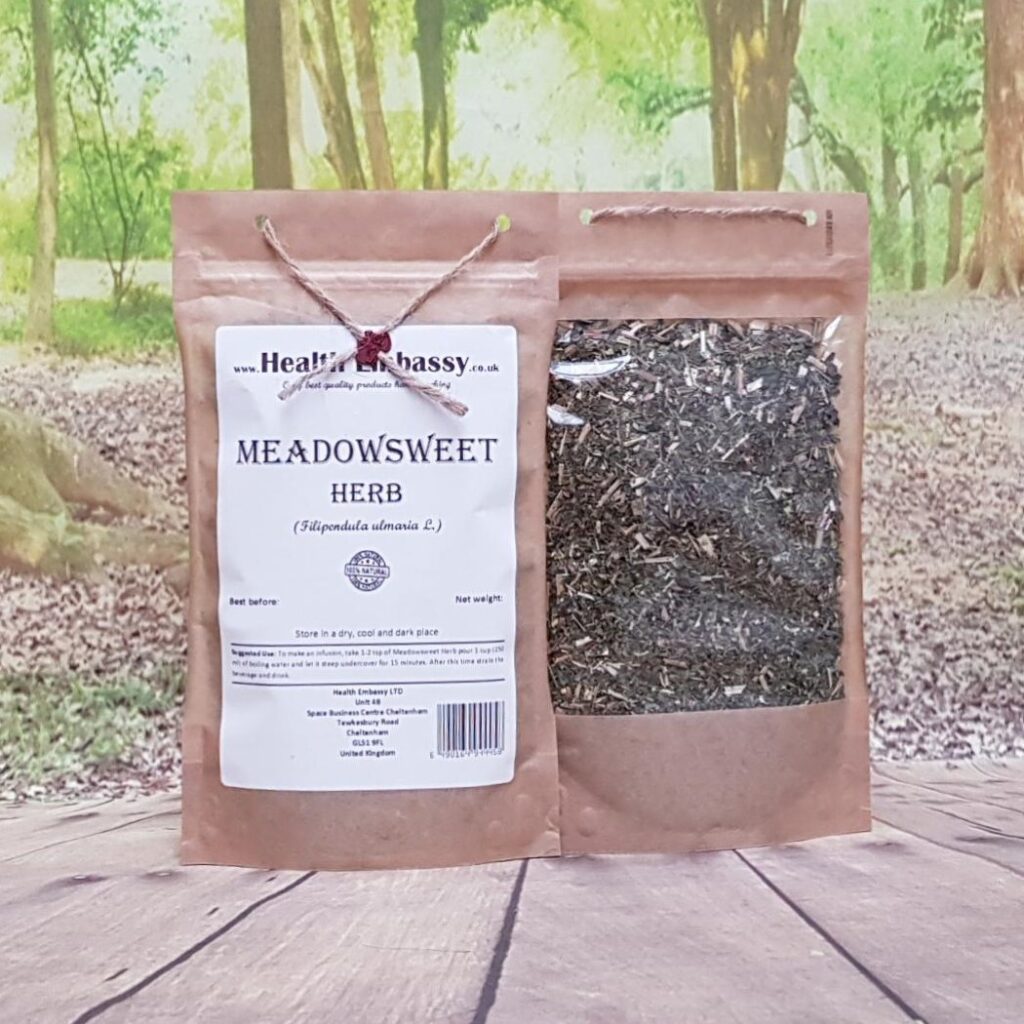
Also known as queen of the meadow, meadow-wort, or bridewort in various parts of the UK (en.wikipedia.org). In England it’s usually “meadowsweet”, but in parts of Scotland you might hear “queen of the meadow” (en.wikipedia.org) – an ode to how it can dominate a damp meadow. All these refer to the same sweet-scented wildflower historically used for pain relief (it’s one of the plants from which aspirin was derived).

Elderflower (Sambucus nigra):
Generally called elderflower or just elder in England. In some Welsh regions, elderflower is known by a local name “pennillion” (Welsh), reflecting cultural nuances. The plant itself – with its fragrant white blossoms – remains the same elder tree (en.wikipedia.org) used for cordials and remedies.
Hawthorn (Crataegus monogyna):
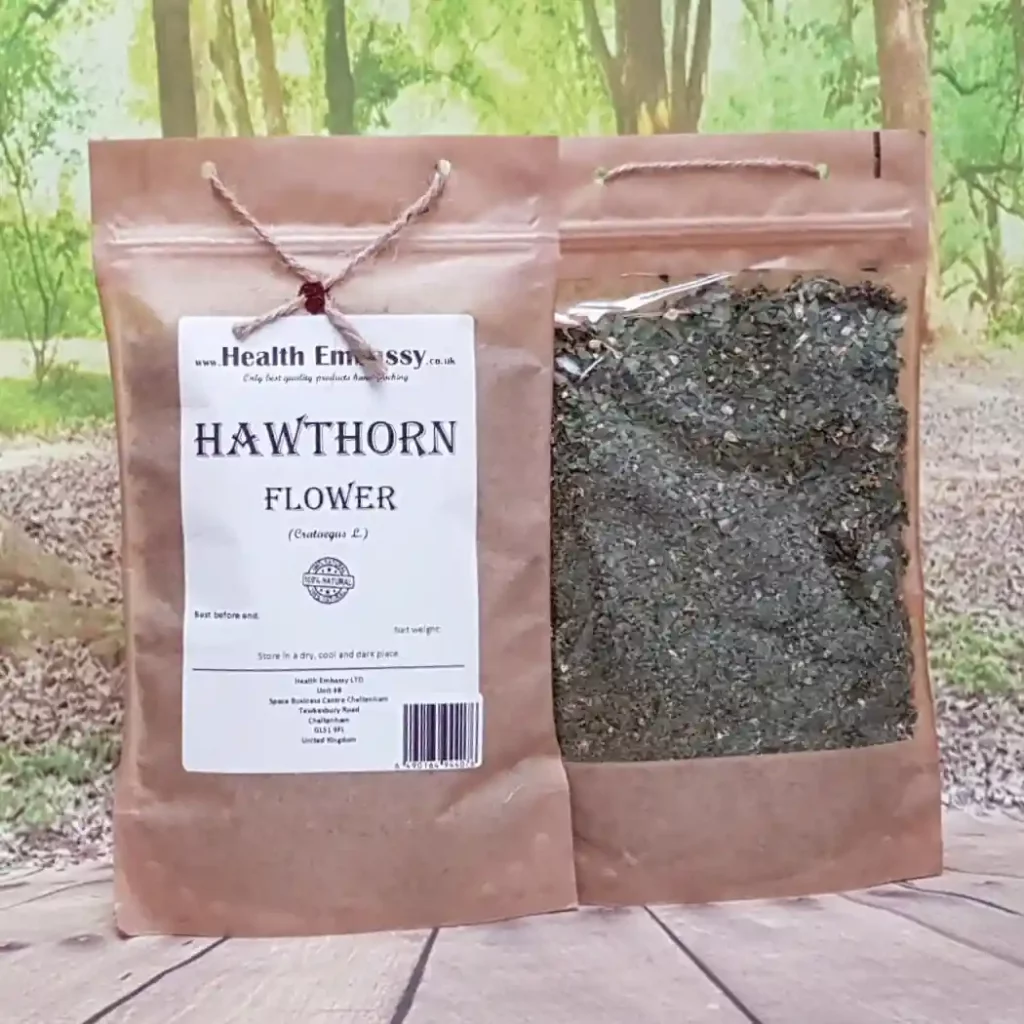
May be called hawthorn, quickthorn, whitethorn, or May tree depending on locality (totallywilduk.co.uk). The name “May” comes from its profuse white May-time blossoms. In hedgerow use it’s often “quickthorn” (for how quickly it forms a thorny hedge) (totallywilduk.co.uk). All names refer to the common hawthorn shrub whose flowers and berries are valued in herbal medicine.

Marshmallow (Althaea officinalis):
Sometimes referred to as “marsh mallow” (two words) or the “marshmallow plant”. This is the soothing herb originally used to make the confection. Older texts may spell it as two words, but whether you see marsh mallow or marshmallow, it’s the same healing plant (en.wikipedia.org).

Licorice/Liquorice (Glycyrrhiza glabra):
Even the spelling differs by region – “liquorice” is the traditional British spelling, while “licorice” is the American spelling (en.wikipedia.org). Both refer to the sweet root of the Glycyrrhiza plant. If you search for either spelling in the UK, you’ll get the same soothing licorice root (en.wikipedia.org).
Oman / Elecampane (Inula helenium):
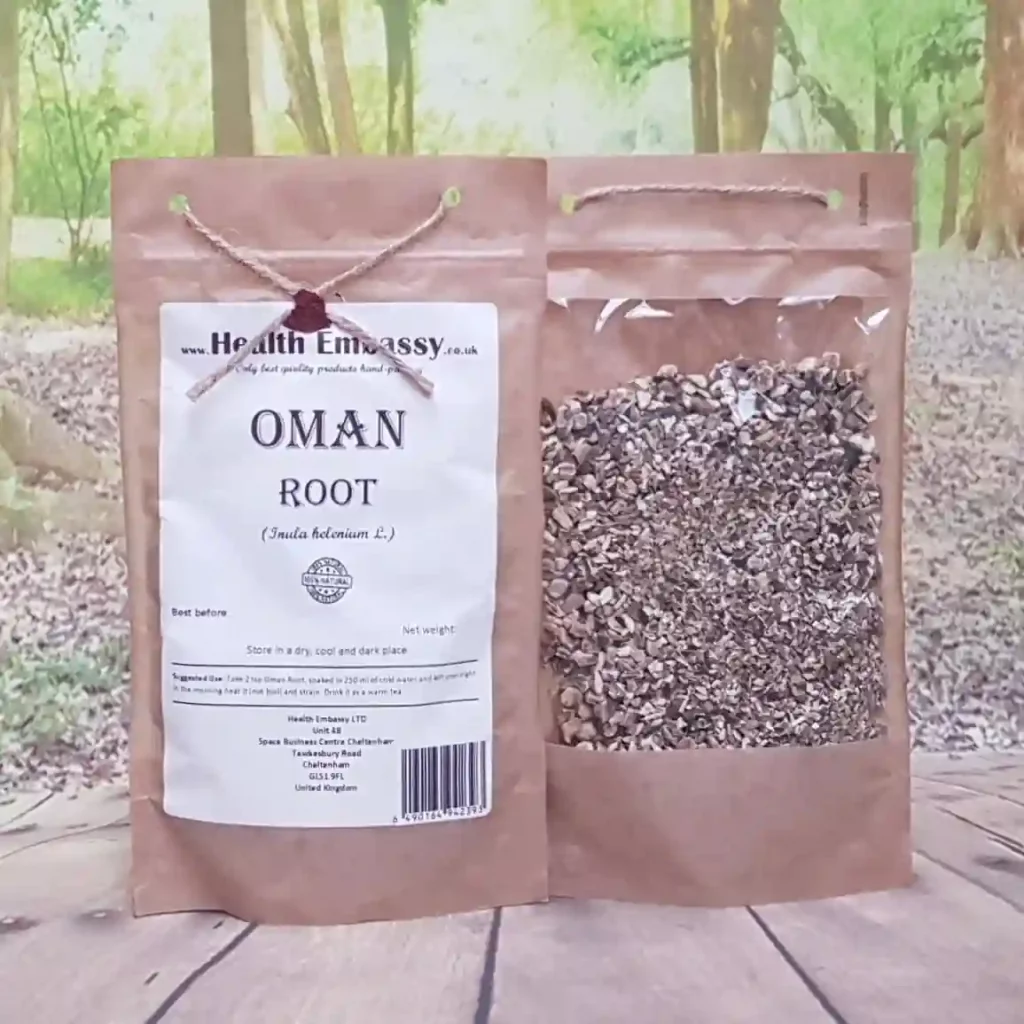
This medicinal root is commonly known as elecampane in England, but has been called “Oman root” in some older British and Irish herbal traditions (healthembassy.co.uk). (The name “Oman” here is unrelated to the Middle East – it’s just a folk name for this plant.) Other old names include horse-heal and elfdock (en.wikipedia.org), pointing to its use for horses and its folklore with elves. No matter the name, it’s the same aromatic yellow-flowered plant valued for respiratory health.

Borage (Borago officinalis):
Commonly known as borage, but also called “starflower” in many herbal circles due to its star-shaped blue flowers (en.wikipedia.org). If someone in the UK mentions starflower oil, they mean borage seed oil. The plant is beloved for both its cucumber-flavored leaves and its beautiful pollinator-friendly blooms.

Calendula (Calendula officinalis):
Usually called pot marigold in Britain (en.wikipedia.org) to distinguish it from ornamental garden marigolds. Other herbal names include common marigold or Mary’s gold. All refer to the bright orange-yellow calendula flowers, a staple in herbal salves and teas.

Sweet Woodruff (Galium odoratum):
Often just sweet woodruff, this shade-loving herb is occasionally referred to as “wild baby’s breath” or “sweet-scented bedstraw.” In fact, its common names are numerous – sweet woodruff, sweetscented bedstraw, master of the woods, and yes, wild baby’s breath (naturescape.co.uk). These names hint at its sweet fragrance (it contains coumarin) and traditional use in May wine in Germany (Waldmeister, “master of the woods”).
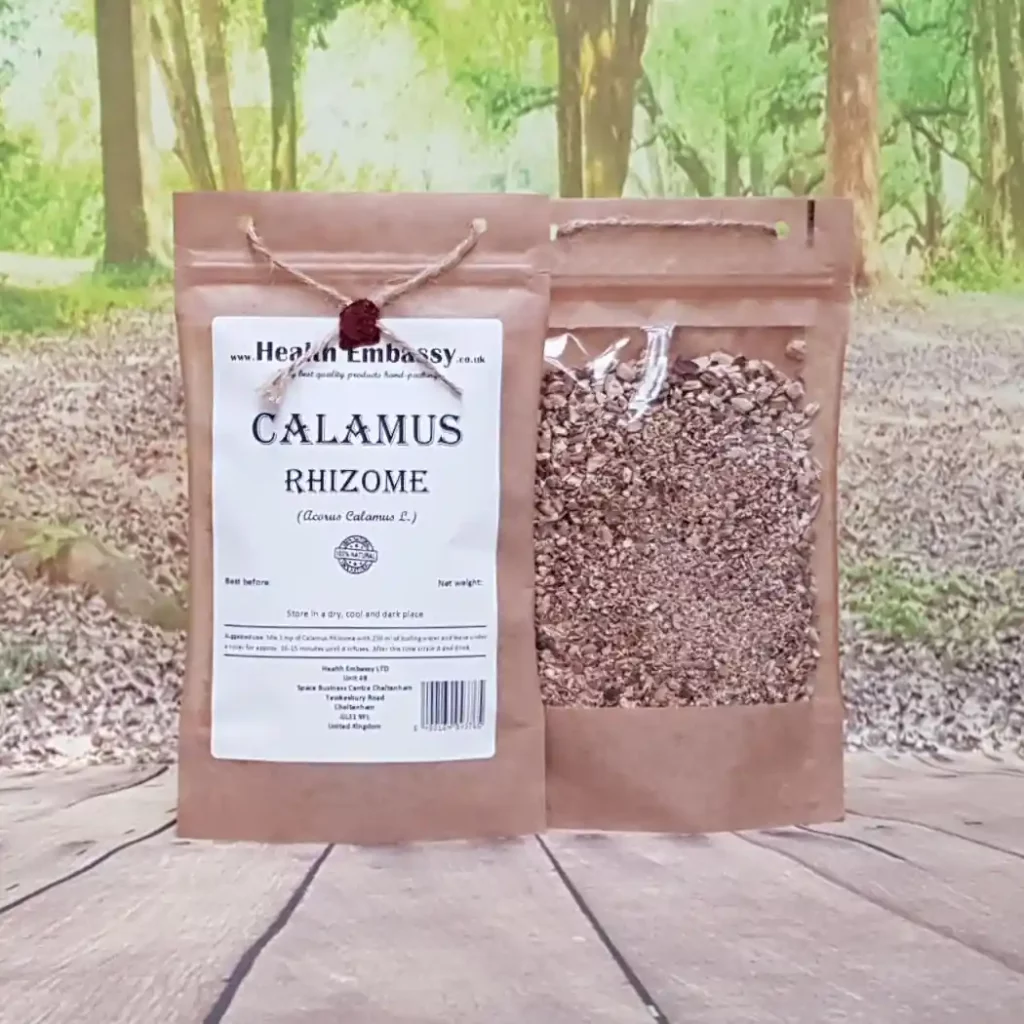
Calamus (Acorus calamus):
Known commonly as sweet flag, calamus root, or simply calamus. In old apothecary texts it might be called “sweet sedge”. This wetland plant has an aromatic rhizome used historically for digestion. By either name, Calamus Rhizome is the same Acorus calamus sold by herbal suppliers, including Health Embassy, and clearly labeled as such (e.g., Calamus Rhizome (Acorus calamus) on our packaging (healthembassy.co.uk).
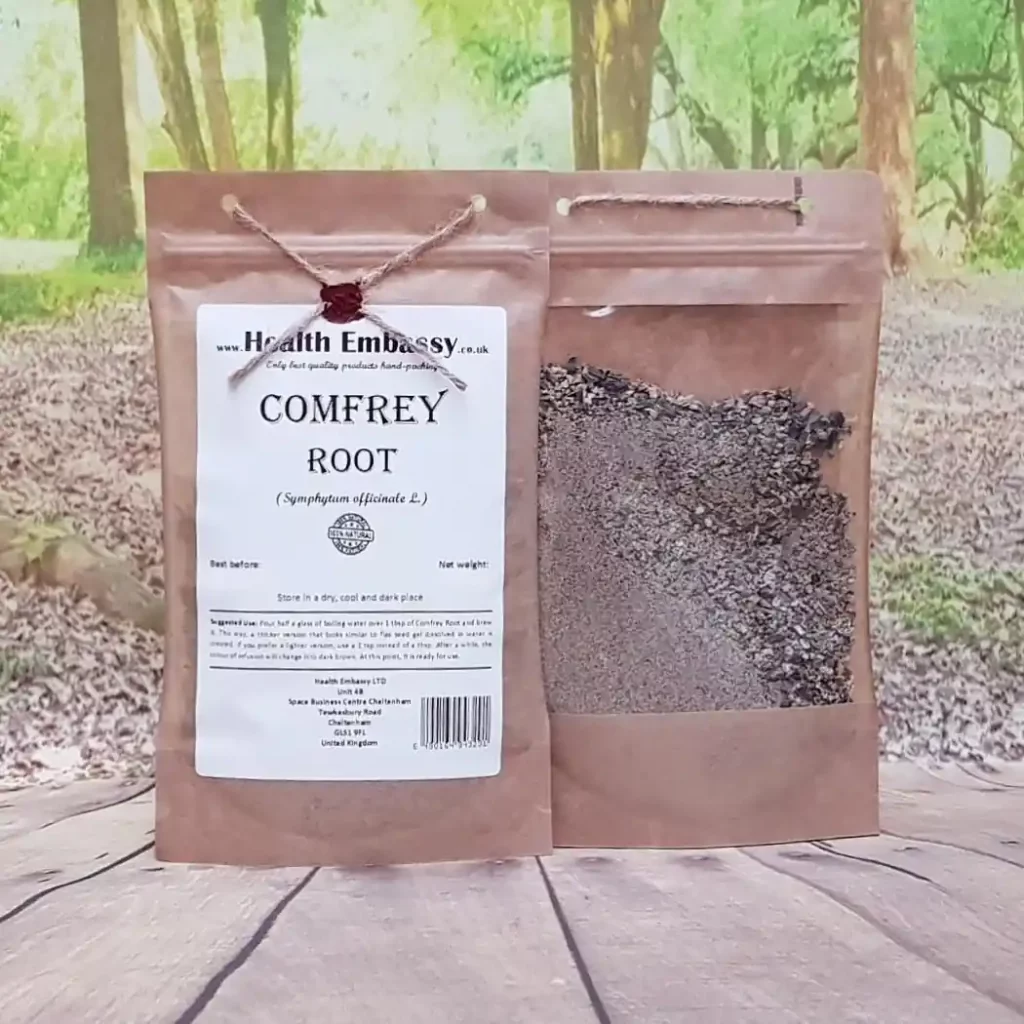
Comfrey (Symphytum officinale):
A herb with a telling array of folk names: knitbone, boneset, bruisewort, blackwort, etc. These names (“knit bone” especially) reflect comfrey’s historical use to help heal fractures and wounds. In fact, comfrey has “been known as boneset, knitbone, black wort, wall wort, and slippery root” in older herbals (pharmaceutical-journal.com). While modern science advises caution in using comfrey internally, its many names persist in folk memory across the UK.

Dandelion (Taraxacum officinale):
The sunny dandelion has many English nicknames. In addition to “dandelion” (from French dent-de-lion, lion’s tooth), it’s crudely but famously called “piss-a-bed” or “wet-a-bed” in folk usage for its diuretic properties (en.wikipedia.org). You might also hear “clock” or “faceclock” for its seedhead you can blow on (en.wikipedia.org). Rest assured, whatever the name, that persistent garden weed is the same medicinal dandelion used in teas and salads.

Yarrow (Achillea millefolium):
Known in different locales as yarrow, milfoil (meaning thousand-leaf), nosebleed plant, or soldier’s woundwort. The Welsh might call it “yarrow” while an old herbal in England might say “nosebleed” (hinting at its use to stanch bleeding). Indeed, yarrow has many folk names – nosebleed plant, old man’s pepper, devil’s nettle, sanguinary, thousand-leaf, etc (adkinsarboretum.org) – all referring to the same feathery plant revered for wound healing since ancient times.

Valerian (Valeriana officinalis):
This calming root is sometimes called garden heliotrope (for its sweet scent in the garden) or “all-heal”. (Not to be confused with Prunella vulgaris, also called self-heal/allheal). In older English, valerian was known as “setwall” or “capon’s tail”. Modern UK herbal texts stick to valerian, but recognizing these archaic names helps when reading historical recipes. (Fun fact: “All-heal” appears as a common herbal names for valerian in some references (plants.ces.ncsu.edu), highlighting its once-cure-all reputation.)

Chamomile (Matricaria chamomilla and Chamaemelum nobile):
Here even spelling varies – camomile vs chamomile. British English often uses camomile (with an ‘a’), while chamomile is more common in American English. Both refer to the gentle apple-scented herb famous in tea. Also, the UK distinguishes German chamomile (Matricaria) from Roman chamomile (Chamaemelum). A gardening book may call the low-growing lawn chamomile “Roman camomile” and the taller annual “German chamomile”. Without the Latin names, one might mix up these two different species that share uses but are not identical. Always check if a recipe calls for Matricaria or Chamaemelum when you’re buying chamomile, so you get the intended one.

Linden (Tilia spp.):
In the UK, linden trees are usually called lime trees, and herbal infusions made from their blossoms are called lime flower tea or lime blossom tea. This can confuse newcomers who expect “lime” to mean the citrus fruit! In fact, small-leaved lime is the British name for the native linden tree (Tilia cordata). So, linden flowers = lime blossoms – knowing the Latin Tilia will ensure you don’t expect actual lime fruit in that tea. (As a note, Americans say linden, Brits often say lime tree or lime blossom for the same plant [botsocscot.wordpress.com]).
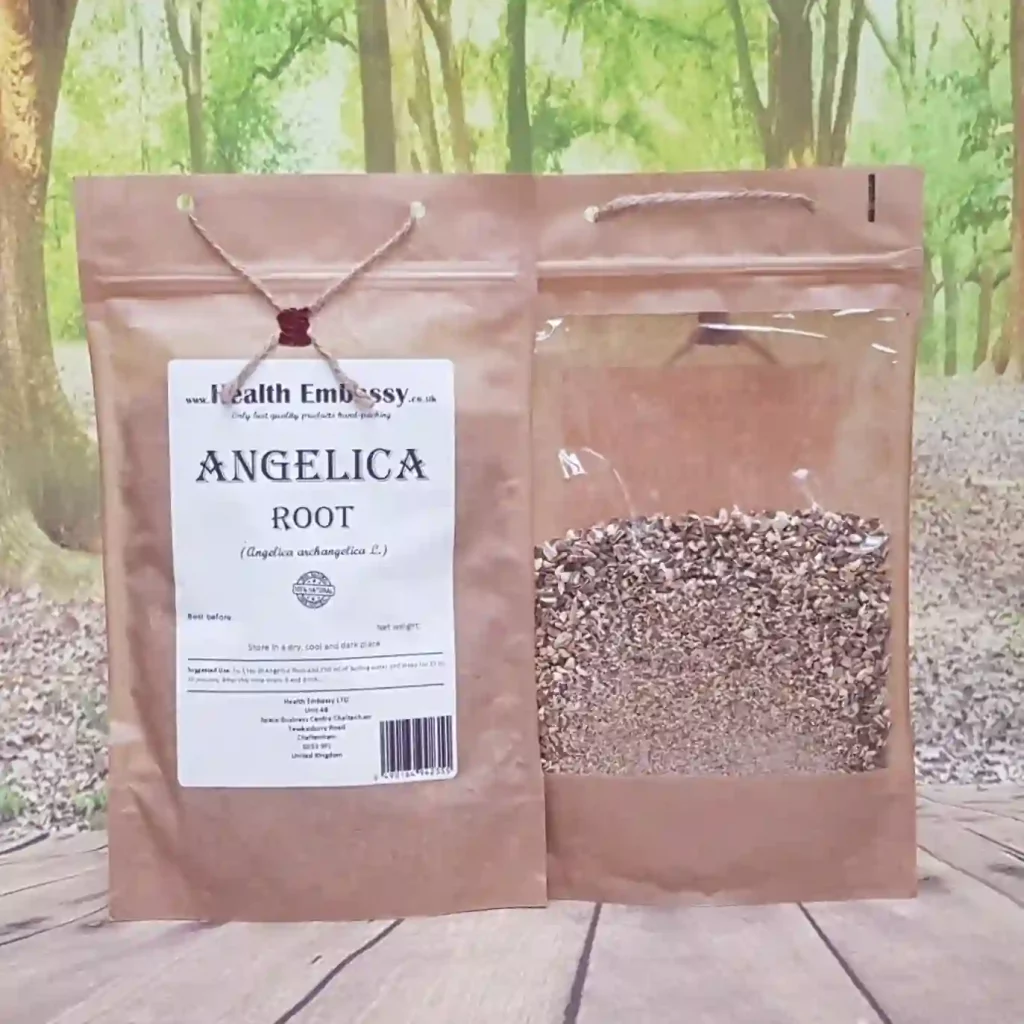
Angelica (Angelica archangelica):
Commonly just angelica or garden angelica, this majestic herb can also be labeled “archangel” or “masterwort.” In some texts it’s called “wild celery” for its similar-looking stalks (plants.ces.ncsu.edu). To further complicate things, masterwort can also refer to a different plant (Peucedanum), and wild celery often means a wild form of Apium. This is where the Latin Angelica archangelica truly saves the day – ensuring you’re getting the candied angelica stems for your fruitcake and not some other “angel” herb!
As you can see, many common herbal names used in the UK have multiple common names that vary by region or tradition, which can easily cause confusion. This is why relying on scientific names is so important for accurate identification, safe use, and clear communication when purchasing or discussing herbal products.
Why This Matters for Herbal Consumers
If you search for “nettle tea” online or buy dried herbs labeled only as “nettle,” you might not be entirely sure which plant you’re getting or what the exact effects will be. Mistakes can happen when different plants share similar or overlapping common names. For instance, someone could confuse French tarragon with Russian tarragon – both called tarragon but one has the true anise-like flavor while the other is bland. Or think of “mint”: a recipe might just say mint, but is it referring to peppermint (Mentha × piperita) or spearmint (Mentha spicata)? Those two have distinct tastes and menthol content. Without clarity, a novice could end up using a much stronger peppermint in place of milder spearmint. Thus, knowing the precise Latin name ensures you get the right herb and expected results.
For health and safety, the stakes are even higher. Some entirely unrelated plants share common herbal names. A historical example is “boneset” – in American herbalism boneset refers to Eupatorium perfoliatum, a fever herb, whereas in British folk names “boneset” was an alias for comfrey (Symphytum) pharmaceutical-journal.com, used for knitting bones. Confusing those could be problematic. Similarly, “all-heal” might mean valerian as noted above plants.ces.ncsu.edu, or it might mean self-heal (Prunella). Such ambiguities make it critical to double-check which plant you actually have.
Bottom line: As a consumer, if you rely only on a common name, you might accidentally purchase the wrong herb or miss out on the one you really wanted. In a worst-case scenario, misidentifying a plant could lead to ingesting something toxic. This is why serious herbalists and reputable suppliers emphasize scientific names for clarity.
The Role of Scientific Names in Herbal Identification
Using scientific names (the Latin binomial system) is the gold standard for avoiding confusion. Here’s how it works and why it’s so valuable:
What Are Scientific Names?
Scientific names are the Latin-based, internationally standardized names that uniquely identify each plant species. Every plant has a two-part Latin name (sometimes followed by an author name or variety, but the core is two words). For instance, the scientific name for stinging nettle is Urtica dioica. This name is universal – it means the same plant everywhere, whether you’re in London, Edinburgh, or anywhere else in the world.
Each scientific name has two parts:
- Genus – the broader group the plant belongs to (e.g., Urtica for nettles).
- Species – the specific plant within that group (e.g., dioica meaning “two-house”, referring to nettle’s separate male and female plants).
So for peppermint you have Mentha × piperita (genus Mentha, species piperita), for spearmint it’s Mentha spicata. They share a genus but the different species (and that little × in peppermint’s name indicating it’s a hybrid) tell you they are distinct plants.
Latin names might seem intimidating at first, but they are extremely useful. They often describe a feature of the plant (officinalis often indicates an official medicinal plant, as in Melissa officinalis for lemon balm), or honor a person (e.g., Scutellaria baicalensis, Baikal skullcap, is named after the Baikal region).
Benefits of Using Scientific Names
- Accuracy: Latin names remove confusion about which plant is meant. There might be half a dozen “heather” species in the UK, but Calluna vulgaris specifies the common ling heather. Scientific names pinpoint the exact species you have or need (en.wikipedia.org).
- Safety: By ensuring correct identification, scientific names help avoid harmful mistakes. For example, mistaking Atropa belladonna (deadly nightshade) for an edible “nightshade” like a goji berry could be dangerous – but nobody who knows the Latin would confuse Atropa with Lycium. When buying, say, Artemisia absinthium (wormwood) versus Artemisia vulgaris (mugwort), the Latin on the label will make sure you get the right one.
- Research: If you want to find reliable information or scientific studies about an herb, you’ll get the best results using the Latin name. Searching for “Hypericum perforatum” will yield precise research on St. John’s Wort. Common names can lead to mix-ups (e.g., “bluebells” means something different in Scotland vs. England!). The scientific name is unambiguous, allowing you to learn about the herb’s properties confidently.
- Communication: Using (or at least recognizing) scientific names facilitates clear dialogue between herbalists, suppliers, and customers. If you come to Health Embassy and ask for “Artemisia annua”, we know you mean sweet wormwood (used in some teas), and not confuse it with common wormwood (A. absinthium) or mugwort (A. vulgaris). Latin names are a kind of lingua franca in herbal commerce – a supplier in Poland or India will use the same species name as one in the UK.
At Health Embassy, every herb we sell is labeled with its scientific name alongside the common name to ensure transparency and accuracy. For example, our packages read like “Elderflower (Sambucus nigra)” (healthembassy.co.uk), etc. This way, you always know exactly what you’re getting.
Tips for Buying and Using Herbal Names in the UK
- Always Look for the Scientific Name: When purchasing dried herbs, tinctures, or supplements, check that the label includes the Latin name. This ensures you know the exact species. For example, “ginseng” could mean Panax ginseng (Asian ginseng) or Panax quinquefolius (American ginseng) – two different plants from different continents. A good supplier will specify (and if they just say “ginseng” without Latin, ask questions or think twice).
- Buy from Reputable UK Suppliers: Choose trusted companies (like Health Embassy) that provide clear labeling and source high-quality herbs. Reputable UK herbal suppliers will typically list both common herbal names and scientific names, and often the part of the plant used (leaf, root, flower, etc.). They will also know the UK and EU regulations for herbal products. This transparency is important for your safety and for getting what you expect.
- Know Your Regional Names but Verify Latin: It’s helpful (and fun) to know local nicknames – e.g., that “Dead Man’s Bells” refers to foxglove – but always verify with the scientific name before use. Especially when following old recipes or regional remedy books, double-check that the herb in question is what you think it is. Many plants have the same nickname (there are several “ironwort” and “heal-all” plants). When in doubt, do a quick search with the suspected Latin name to confirm. If a historical text mentions “red nettle”, is it a nettle or actually red deadnettle (Lamium purpureum)? The Latin will tell you.
- Consult Herbal Professionals When Unsure: If you’re ever uncertain about an herb’s identity – maybe you have foraged something, or a product’s labeling is unclear – consult a qualified herbalist or contact the supplier’s customer support. It’s better to pause and ask than to use the wrong herb. Many suppliers (ourselves included) are happy to answer questions like “Is your Turkish rhubarb the same as Indian rhubarb root?” or “Is your Siberian ginseng Eleutherococcus senticosus?”. We’d rather help than have you end up with an unintended product.
- Mind the Spelling Variations in Searches: When searching online, try alternative spellings or names. For instance, try both “liquorice” and “licorice” when searching UK websites, or “camomile” and “chamomile.” Some UK brands might use the British spelling on their site. Knowing these variants can help you find what you need. And again, include the Latin in your search for best results (e.g., search “buy Calendula officinalis flowers UK” in addition to “buy marigold petals”).
By following these tips, you can be confident you’re getting the right herbs every time and using them safely and effectively.
How Health Embassy Helps Customers Navigate Herb Names
At Health Embassy, we are committed to clear, accurate information. We understand how important it is that you get the exact herb you’re looking for. Here’s how we make herbal shopping easier for you:
- Full Scientific and Common Names on Labels: Every product page and package lists the English name and the Latin name. For example, our listing might say “Passion Flower Herb (Passiflora incarnata)”, so there’s no ambiguity (healthembassy.co.uk). If an herb has well-known synonyms, we often mention them too (our Oman/Elecampane listing is a good example, so both audiences recognize it (healthembassy.co.uk).
- Detailed Descriptions: We include descriptions of each herb’s origin, traditional uses, and any special notes about naming. If a plant is known by a particular regional name, we’ll often note that in the description. Our goal is to educate as well as supply – so you can learn a bit of herbal lore while you shop.
- Customer Support for Herb Questions: Not sure if Lime blossom is the same as the linden tea you had in France? You can ask us. We’re happy to clarify any confusion about herb names or recommend an herb from our range for your needs. We’re herbal enthusiasts too, and we love sharing knowledge.
- Quality and Transparency: All our herbs are sourced responsibly. We hand-pack them in resealable, labeled bags. What’s on the label is exactly what’s inside. By providing the Latin name and ensuring purity, we take the guesswork out – you can trust that our “Melissa officinalis” is true lemon balm leaf and not a mix-up with any other species.
Whether you’re an experienced herbalist or a newbie building your pantry, we strive to make your experience smooth. When you shop with Health Embassy (or any reputable herb supplier), you should feel confident about the identity and quality of the herbs you receive.
Conclusion: Why Scientific Names Matter for Herbal Safety and Confidence
Herbal traditions in the UK are rich and varied, with many charming regional names adding to the cultural tapestry. However, this diversity of names can cause confusion without a universal reference point. Scientific names provide that clarity, ensuring you get the exact herb you expect every time (en.wikipedia.org en.wikipedia.org). By understanding and using scientific names, you empower yourself to navigate the world of herbalism with much greater confidence and safety.
Remember, common names are not consistent – but Latin never lies! When in doubt, check the Latin. This simple practice can prevent misidentification and ensure that your herbal remedies and recipes turn out as intended. It also connects you to the global herbal community, since Latin names are the same across languages and borders.
At Health Embassy, we take pride in accurately labeled, high-quality herbs delivered across the UK. We want you to enjoy the best of nature’s medicine cabinet without any confusion. Embracing scientific names is not about being stuffy or overly academic – it’s about being an informed consumer and herbal enthusiast. So the next time you brew a cup of Peppermint (Mentha x piperita) tea or add some Galium odoratum (sweet woodruff) to your May wine, you’ll not only relish the flavor and health benefits, but also the knowledge that you have the right plant for the job.
In summary: Common herbal names make herbs approachable, but scientific names make them identifiable. Use both to your advantage – savor the folklore, but rely on the Latin for accuracy. Your health and your recipes will thank you for it. Happy herbal exploring!
FAQ: Regional and Folk Names of Herbs in the UK
1. Why do some herbs have so many different names?
Herb names often vary due to regional dialects, folk traditions, historical spellings, and changing botanical classifications. Over centuries, local communities gave plants names based on their appearance, use, or seasonal patterns. For example, meadowsweet has also been known as bridewort and queen of the meadow.
2. What’s the difference between lime blossom and linden?
There is no botanical difference—lime blossom is the British term for the flowers of the Tilia tree, while linden is the American and European name. Confusion arises because “lime” in the UK doesn’t refer to the citrus fruit in this context.
3. Is “comfrey” the same as “knitbone”?
Yes. Knitbone is an old folk name for Symphytum officinale (comfrey), referring to its traditional external use. Other historical names include blackwort and bruisewort.
4. What’s the correct spelling: chamomile or camomile?
Both spellings are correct. Chamomile is more common in the US, while camomile appears more often in British English. The plant in question is usually Matricaria chamomilla (German chamomile) or Chamaemelum nobile (Roman chamomile).
5. Is dandelion really called “piss-a-bed”?
Yes – in old English and Scottish dialects, Taraxacum officinale was nicknamed piss-a-bed due to its diuretic reputation. Other traditional names include clock, faceclock, and lion’s tooth.
6. Why is it important to check the Latin name of an herb?
Because common names vary, the Latin (botanical) name provides clarity. For example, peppermint and spearmint are both called “mint” in conversation but refer to different species: Mentha × piperita vs Mentha spicata. Using the Latin name helps avoid confusion when buying or researching herbs.
7. Are “setwall” and “valerian” the same thing?
Yes. Setwall is an old name for Valeriana officinalis, a herb traditionally used for its calming scent. You might see this name in medieval texts or older British herbals.
8. What is “burn nettle”? Is it different from stinging nettle?
Burn nettle is a Scottish name for Urtica dioica—commonly known as stinging nettle. The “burn” refers to the stinging sensation caused by its fine hairs.
9. Are “starflower” and “borage” the same?
Yes. Starflower is another name for Borago officinalis, especially when referring to its seed oil, which is used commercially. The name comes from the plant’s star-shaped blue flowers.
10. How can I know which herb I’m buying when names differ?
Reputable suppliers, like Health Embassy, always list the Latin botanical name alongside the common English name. This ensures you’re purchasing the correct plant regardless of regional or historical variations.
Disclaimer:
The information provided in this blog post is for general informational purposes only and is based on information available from various online sources. It is not intended to be a substitute for professional medical advice, diagnosis, or treatment. If you have any health conditions, allergies, or are pregnant or breastfeeding, please consult a healthcare professional before consuming herbal products. Health Embassy does not provide medical advice, nor does it diagnose, treat, or cure any medical conditions.
We do not guarantee the accuracy, completeness, or usefulness of any information provided, and you rely on it at your own risk. Individual results may vary. Health Embassy is not responsible for any adverse effects or consequences resulting from the use of any herbal products discussed on this blog.