No products in the basket.
7 Powerful Seeds for Your Health: Boost Wellness in Your Garden
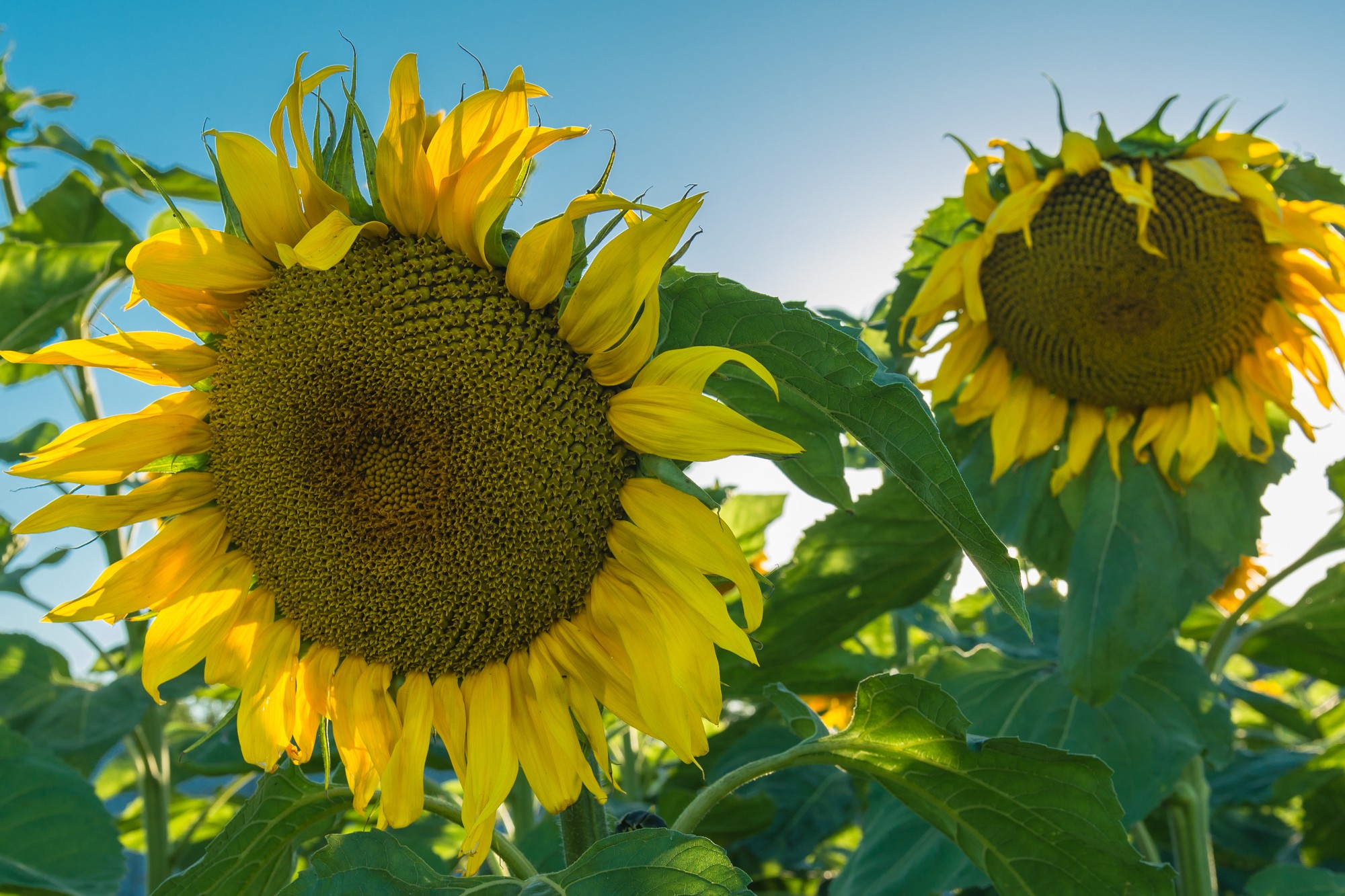
Gardening is more than just a hobby—it’s a journey toward wellness. Every seed you plant is a tiny promise of vitality, flavor, and health. While vegetables and fruits often get the spotlight, seeds are the real powerhouses. Packed with essential nutrients, antioxidants, and bioactive compounds, they provide immense benefits in small packages. By planting and nurturing the right seeds, you can cultivate a garden that nourishes your body, mind, and spirit.
In this comprehensive guide, we’ll explore 7 powerful seeds for health, detailing their unique benefits, gardening tips, and practical ways to include them in your daily diet. Whether you’re an experienced gardener or a beginner, this guide will help you transform your garden into a hub of wellness.
Understanding the Power of Seeds
What Makes Seeds So Nutritious?
Seeds are designed to grow into healthy plants, so they contain concentrated stores of energy and nutrients. They are rich in protein, healthy fats, vitamins, minerals, and antioxidants. Many seeds also contain phytonutrients that protect cells, improve metabolism, and support the immune system.
For example, chia seeds are small yet packed with omega-3 fatty acids and fiber, while pumpkin seeds contain magnesium and zinc for bone and heart health. By incorporating these tiny nutritional powerhouses into your garden, you’re creating a natural wellness source right at home.
Why Plant Seeds for Health?
There are multiple reasons to plant seeds for health:
- Freshness and Quality: Homegrown seeds are fresher than store-bought alternatives, retaining maximum nutrients.
- Sustainability: Growing your own seeds reduces dependency on packaged foods and supports eco-conscious gardening.
- Mental Wellbeing: Gardening reduces stress, improves focus, and boosts mood.
- Culinary Variety: Seeds add texture, flavor, and nutrition to everyday meals, from salads to baked goods.
7 Powerful Seeds for Health
Seeds are small nutritional powerhouses that can easily be incorporated into daily meals. Here are seven versatile seeds to include in your diet, along with gardening tips and ways to use them.

1. Hemp Seeds
Hemp seeds are complete protein sources and contain essential fatty acids, making them ideal for plant-based nutrition. They are also rich in minerals such as magnesium, phosphorus, and potassium.
Gardening Tips:
- Provide well-draining soil and full sun.
Daily Use Ideas:
- Blend into smoothies or yogurt.
- Sprinkle over salads, soups, or granola.
- Add to baked goods for protein-rich treats.

2. Flaxseeds Brown
Flaxseeds are nutrient-dense, providing fiber, omega-3 fatty acids, and lignans. They support digestion and can enhance the nutritional content of meals.
Gardening Tips:
- Sow in cooler climates for best results.
- Harvest when the seed pods turn brown.
- Dry seeds thoroughly before storage to prevent mold.
Ways to Use:
- Grind flaxseeds for better nutrient absorption.
- Add to smoothies, cereals, or baked goods.
- Use as an egg substitute in vegan recipes.

3. Plantago Psyllium Seeds
Psyllium seeds are rich in soluble fiber, which can help maintain digestive regularity and support overall wellness. They are often used in baking and beverages for texture and fiber content.
Gardening Tips:
- Plant in well-draining soil with moderate sunlight.
- Harvest seeds when pods turn brown and dry.
Daily Use Ideas:
- Add to smoothies or juices for extra fiber.
- Incorporate into gluten-free baking recipes.
- Mix with water or plant-based milk to create a gel-like texture.

4. Plantago Ovata Seeds
Plantago ovata seeds, also known as ispaghula husk seeds, are valued for their fiber content and ability to form a gel when soaked. They are commonly used in cooking and baking for texture and consistency.
Gardening Tips:
- Grow in warm climates with full sun exposure.
- Harvest when seeds are mature and dry.
Usage Ideas:
- Add to cereals or porridge.
- Use in bread or crackers for extra fiber.
- Mix into smoothies or yogurts.

5. Nigella Sativa Seeds
Nigella sativa seeds, also known as black cumin seeds, are aromatic and flavorful, often used as a spice in culinary dishes. They contain bioactive compounds that can enhance flavor and nutrition.
Gardening Tips:
- Sow in well-draining soil with full sun.
- Harvest when seed capsules turn brown and dry.
Ways to Enjoy:
- Sprinkle on bread, salads, or roasted vegetables.
- Use in spice blends for cooking.
- Add to baked goods for a distinctive flavor.

6. Milk Thistle Seeds
Milk thistle seeds are often used in culinary and herbal preparations. They contain unique compounds that can be incorporated into recipes or ground into powder for convenience.
Gardening Tips:
- Plant in well-draining soil under full sunlight.
- Harvest seeds once the flower heads dry.
Usage Ideas:
- Roast lightly and add to salads or cereals.
- Grind into powder to mix into smoothies or baking.
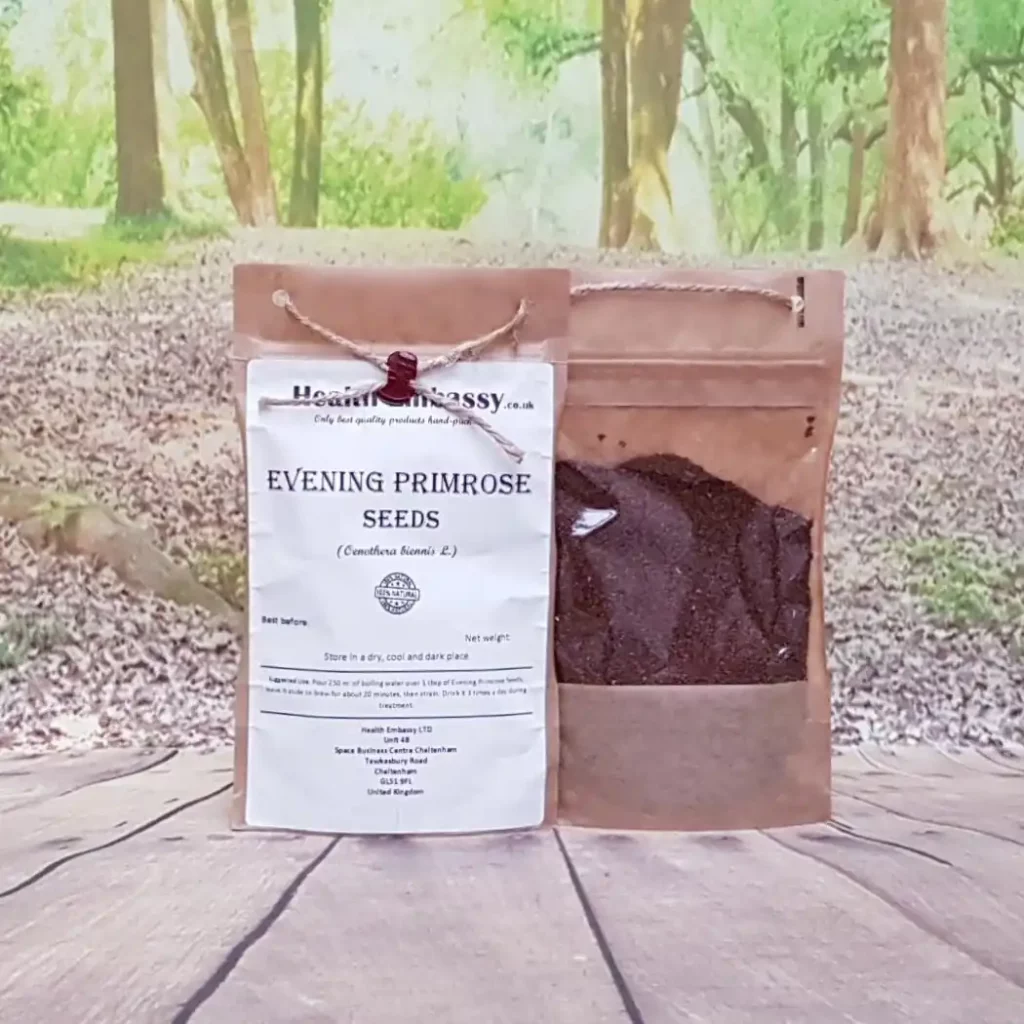
7. Evening Primrose Seeds
Evening primrose seeds are a source of fatty acids and can be added to foods for texture and mild flavor. They can also be incorporated into smoothies or homemade snacks.
Gardening Tips:
- Plant in sunny areas with fertile, well-draining soil.
- Harvest seeds when the pods are dry and mature.
Daily Use Ideas:
- Sprinkle on salads or yogurt.
- Mix into energy bars or baked goods.
- Incorporate into grain bowls or cereals.
Including these seven seeds in your kitchen not only enhances the flavor and texture of meals but also provides a range of nutrients for daily nutrition. Seeds can be used whole, ground, or roasted, making them highly versatile for a variety of dishes.
Combining Seeds for Maximum Health Benefits
Combining different seeds in your meals can enhance their nutritional impact and provide a variety of textures and flavors. Here are some practical ideas using the seven seeds featured above:
- Morning Energy Mix: Flaxseeds (brown) + Plantago psyllium seeds + Hemp seeds in oatmeal or porridge.
- Salad Boost: Nigella sativa seeds + Evening primrose seeds + Milk thistle seeds sprinkled over salads or grain bowls.
- Baked Good Supercharge: Flaxseeds (brown) + Hemp seeds + Plantago ovata seeds added to bread, muffins, or crackers for extra fiber and protein.
- Smoothie Enhancement: Mix hemp seeds + milk thistle seeds + evening primrose seeds into smoothies for a nutrient-rich drink.
- Sprouting for Nutrient Absorption: Sprouting seeds before consumption can improve digestibility, increase enzyme content, and support overall nutritional benefits. This works well with flaxseeds, hemp seeds, and Plantago seeds.
Tips for Growing a Health-Focused Garden
- Choose Organic Seeds: Avoid pesticides and GMO varieties for better nutrition.
- Know Your Climate: Select powerful seeds suited to your region for optimal growth.
- Proper Soil and Watering: Fertile, well-draining soil and consistent watering are key.
- Companion Planting: Combine herbs and seeds for mutual growth benefits.
- Harvesting and Storage: Dry seeds properly, store in cool, dark places, and rotate batches.
Conclusion
Planting powerful seeds for health in your garden is more than gardening—it’s a lifestyle choice. Seeds like chia, flax, pumpkin, sunflower, sesame, hemp, and pomegranate offer incredible nutritional benefits, easy incorporation into daily meals, and the satisfaction of homegrown food. By nurturing these powerful seeds, experimenting with recipes, and creating a diverse garden, you can cultivate wellness, flavor, and vitality. Start small, enjoy the process, and watch your garden grow into a source of health and happiness.
For those eager to expand their knowledge, exploring reputable online resources, gardening blogs, and educational videos can provide tips, techniques, and inspiration to maximize the benefits of your homegrown seeds.
Every seed you plant is a step toward a healthier, more vibrant you.
FAQ: Powerful Seeds for Your Health
1. What are the best powerful seeds to plant for health?
Some of the most powerful seeds include hemp seeds, flaxseeds (brown), Plantago psyllium seeds, Plantago ovata seeds, Nigella sativa seeds, milk thistle seeds, and evening primrose seeds. Each offers unique nutrients and properties that can support daily nutrition.
2. Can I grow these seeds at home?
Yes! Many seeds can be grown in a home garden with proper soil, sunlight, and watering. Some, like hemp or milk thistle, may require specific conditions or local regulations, so check guidelines before planting.
3. How do powerful seeds benefit overall health?
Powerful seeds are nutrient-dense, providing protein, healthy fats, fiber, vitamins, minerals, and antioxidants. Regularly including them in meals can support digestion, heart health, and overall wellness.
4. How should I store harvested powerful seeds?
Dry seeds thoroughly and store them in cool, dark, airtight containers. Proper storage helps maintain freshness, flavor, and nutritional quality while preventing mold or spoilage.
5. Can powerful seeds be used in everyday meals?
Absolutely. Powerful seeds can be added to smoothies, salads, oatmeal, granola, baked goods, or yogurt. Some seeds, like Nigella sativa or milk thistle, can also be used as toppings or mixed into spreads for extra nutrition.
6. What is the best way to use powerful seeds for maximum nutrition?
Grinding or sprouting seeds enhances nutrient absorption and digestibility. Lightly toasting seeds can improve flavor while retaining most nutrients. Plantago seeds, hemp, and flaxseeds are especially versatile in this regard.
7. Are there powerful seeds suitable for beginners?
Yes. Flaxseeds, hemp seeds, and Plantago ovata seeds are particularly easy to grow and maintain, making them ideal for novice gardeners looking to start with powerful seeds.
8. Can combining different powerful seeds improve their benefits?
Yes. Mixing seeds such as flaxseeds, Plantago psyllium, and hemp in meals or snacks creates nutrient-dense blends that support energy, digestion, and overall wellness.
9. How long does it take for powerful seeds to grow?
Growth time varies depending on the type of seed. Flaxseeds and Plantago seeds sprout quickly within 1–2 weeks, while hemp, milk thistle, and evening primrose may take several months to mature.
Disclaimer:
The information provided in this blog post is for general informational purposes only and is based on information available from various online sources. It is not intended to be a substitute for professional medical advice, diagnosis, or treatment. If you have any health conditions, allergies, or are pregnant or breastfeeding, please consult a healthcare professional before consuming herbal products. Health Embassy does not provide medical advice, nor does it diagnose, treat, or cure any medical conditions.
We do not guarantee the accuracy, completeness, or usefulness of any information provided, and you rely on it at your own risk. Individual results may vary. Health Embassy is not responsible for any adverse effects or consequences resulting from the use of any herbal products discussed on this blog.
Luna Ward
Really enjoyed your insights on nutrient-dense seeds a great reminder of how simple additions can make a big impact on our well-being!