No products in the basket.
Natural Remedies for Stress: 7 Herbs, Teas, and Relaxation Techniques
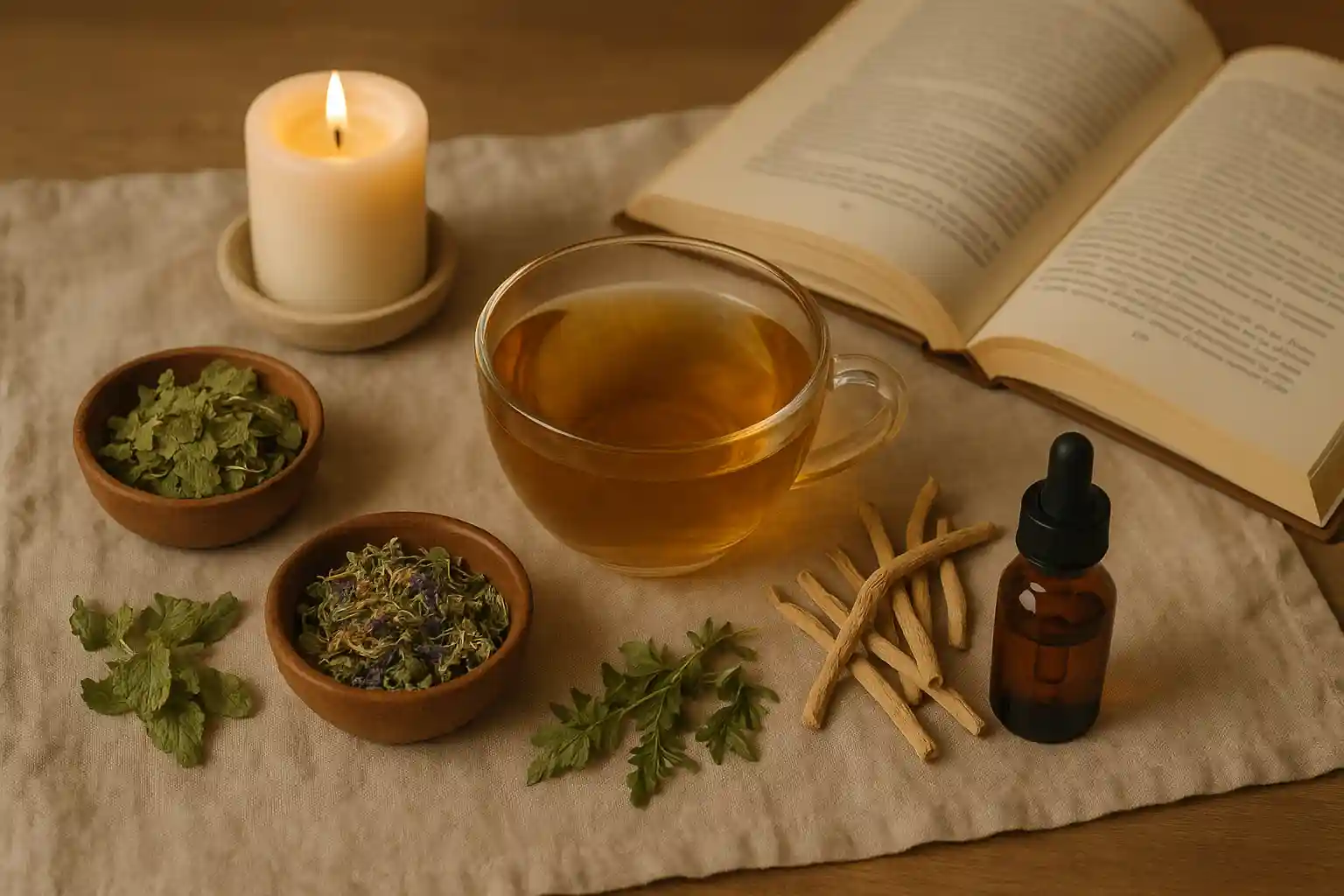
Understanding Stress and Its Effects
What is Stress?
Stress is the body’s natural response to challenges, whether physical, emotional, or psychological. When we encounter stressful situations, our body releases hormones such as cortisol and adrenaline, which prepare us for the well-known “fight or flight” response. This mechanism increases alertness, quickens the heart rate, and directs energy where it’s most needed. While short bursts of stress can be helpful in emergencies, constant stress can be overwhelming.
The Effects of Chronic Stress
Chronic stress occurs when the body stays in this heightened state for too long. Over time, this can lead to serious consequences, including:
- Increased anxiety and restlessness
- Trouble sleeping and fatigue
- Digestive disturbances
- Elevated risk of cardiovascular problems
- Weakened immune system
Understanding how stress works and addressing it early is crucial for maintaining balance and overall wellbeing.
Natural Remedies for Stress
Instead of relying only on conventional solutions, many people are turning to natural remedies for stress. Herbs, teas, and aromatherapy practices can help restore calm and relaxation in a gentle way. Below are some of the most effective natural options.
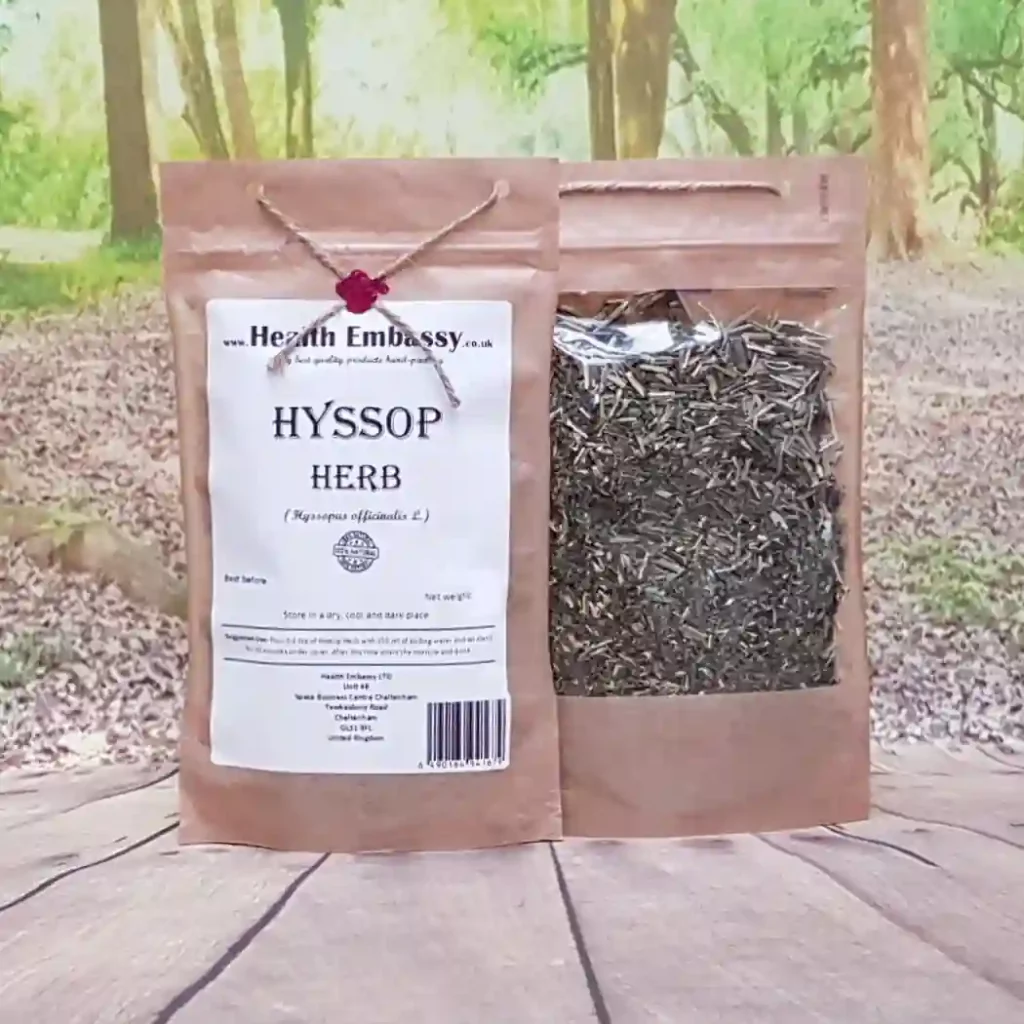
Hyssop: Nature’s Stress Reliever
Overview of Hyssop
Hyssop (Hyssopus officinalis) is a Mediterranean herb with vibrant flowers and a distinct aroma. Historically, it was valued in culinary dishes and traditional remedies. Today, hyssop is appreciated for its ability to support relaxation and mental clarity. Its minty yet slightly bitter flavor also makes it a refreshing addition to teas and herbal blends.
Potential Stress-Relieving Benefits of Hyssop
- Relieves Anxiety: Compounds in hyssop may help calm the mind and ease nervous tension.
- Promotes Relaxation: Its aromatic qualities provide a sense of peace and reduce stress.
- Supports Breathing: Hyssop’s natural expectorant properties can clear congestion, helping you breathe more easily during stressful times.
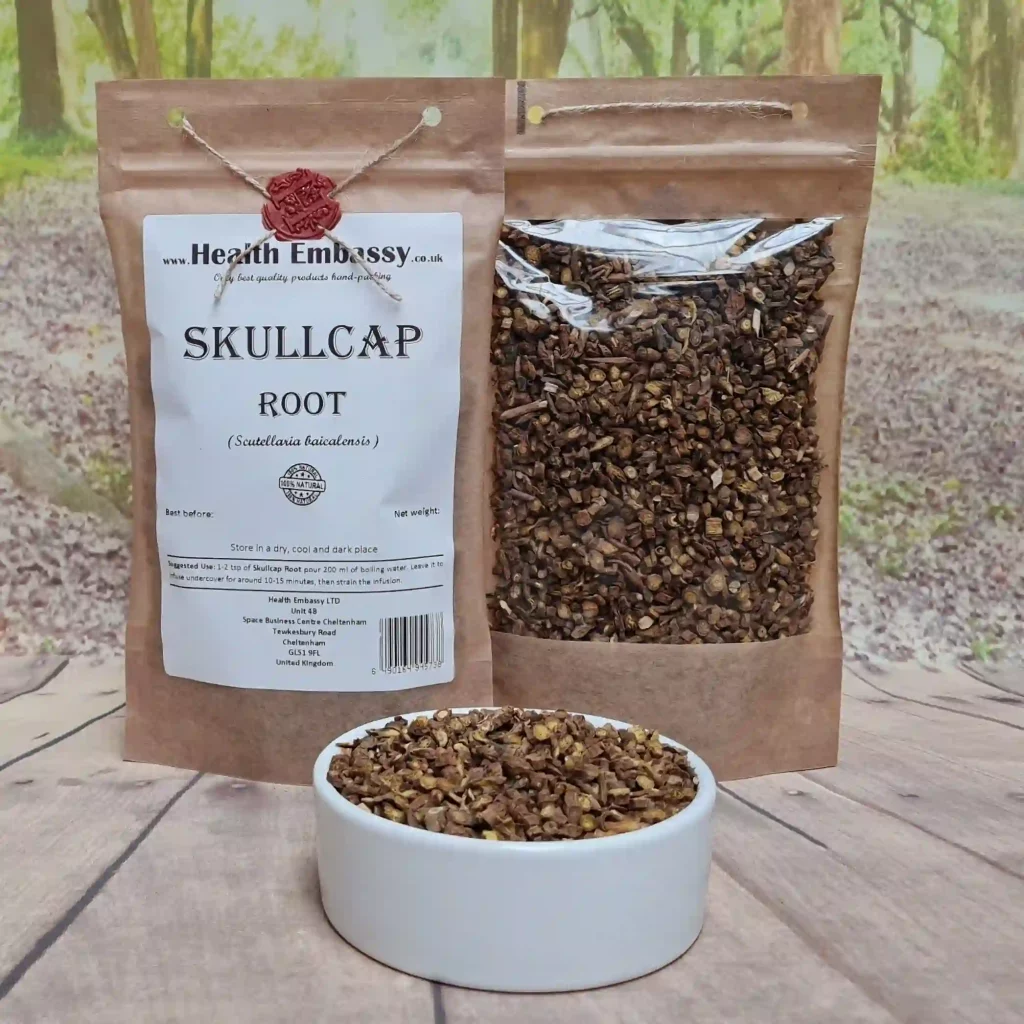
Skullcap: A Soothing Herb for Anxiety
Overview of Skullcap
Skullcap (Scutellaria Baicalensis) is a flowering plant native to North America. Traditionally, it has been used to encourage calmness and reduce anxiety. Known for its gentle sedative effects, skullcap is often consumed as an herbal tea.
Potential Stress-Relieving Benefits of Skullcap
- Reduces Anxiety: Skullcap’s compounds act on the nervous system, promoting calmness.
- Improves Sleep: By quieting racing thoughts, it helps encourage restful sleep.
- Nervous System Support: Skullcap is rich in antioxidants that may protect the nervous system.
Other Natural Remedies for Stress
Beyond hyssop and skullcap, many other herbs have long been used to soothe the mind and body. Some of the most popular include:


Each of these herbs can be enjoyed alone or combined in herbal tea blends for a stronger calming effect.
How to Incorporate Stress-Relieving Herbs into Your Daily Routine
Herbal Teas
Brewing herbal teas is one of the simplest and most enjoyable ways to experience natural remedies for stress. Choose your favorite herbs, steep them in hot water for 5–10 minutes, and sip slowly. The ritual of tea preparation itself can also be calming.
To enhance the flavor, tea can be sweetened with natural honey, and different herbs may be blended together for a richer taste. For an extra touch, ingredients like dried rose petals can be added, making the tea not only soothing but also pleasantly aromatic.
Aromatherapy
Essential oils from herbs like lavender, chamomile, or hyssop can be diffused to fill the room with a relaxing fragrance that promotes calmness and helps ease tension. The soothing aroma can create a peaceful environment, making it easier to unwind after a stressful day.
Another way to enjoy their benefits is by mixing a few drops of essential oil with a carrier oil, such as coconut oil, almond oil or jojoba oil, and using it for a gentle massage that relaxes both body and mind. Aromatherapy can also be incorporated into a warm bath—just add a few drops of essential oil to the water for a spa-like experience at home, combining relaxation with self-care.
Cooking with Herbs
Some herbs, like hyssop, chamomile, or lavender, can be incorporated into cooking or baking to add both flavor and natural calming effects. Sprinkling dried herbs into soups, stews, or salads, or infusing them into desserts and baked goods, allows you to enjoy their subtle aromas and soothing qualities throughout the day.
Using herbs in cooking can also make mealtime a mindful, relaxing ritual, giving you an opportunity to slow down and appreciate the process of preparing and enjoying food. Additionally, combining different herbs or adding complementary ingredients—such as a hint of cinnamon or a drizzle of natural honey—can enhance both taste and the overall calming experience.
Precautions and Considerations
While natural remedies for stress are generally safe, it’s important to use them responsibly:
- Consult a professional: If you’re pregnant, nursing, or taking medication, always check with a healthcare provider before starting herbal remedies.
- Start with small amounts: Every body responds differently. Begin with small servings to see how you feel.
- Be consistent but patient: Herbal remedies may take time to show noticeable effects, so regular use is key.
Stress-Relieving Herbal Selections from Health Embassy
At Health Embassy, we offer a carefully selected range of herbs that support stress management naturally. Among our calming products are:
- Chamomile Flower – a classic tea for relaxation and better sleep.
- Lavender Flower – soothing and fragrant, perfect for teas or aromatherapy.
- Lemon Balm Leaf – traditionally used to ease stress and nervous tension.
- Skullcap Root – a calming tea ingredient for nervous system support.
- Hyssop Herb – versatile and aromatic, suitable for teas and culinary uses.
Each herb is available in its dried form, allowing you to create your own calming blends or enjoy them individually. With Health Embassy, you can bring natural stress relief into your everyday routine.
Choosing Natural Remedies for Stress
Stress may be part of modern life, but how we respond to it can make all the difference. Turning to natural remedies for stress—like calming teas, soothing aromatherapy, and herbal blends—can help restore balance without overreliance on stimulants or synthetic products. We also encourage seeking more knowledge about the stress and relaxation techniques online, as exploring different methods can provide additional ways to manage stress effectively.
By introducing herbs such as hyssop, skullcap, chamomile, and lavender into your routine, you can create daily rituals that bring peace of mind and comfort.
Health Embassy offers a wide selection of calming herbs, making it simple to find natural solutions tailored to your needs. Small changes, such as sipping an herbal tea or diffusing a calming aroma, can lead to greater resilience against stress over time.
Take a moment to explore the natural world of herbs—your mind and body will thank you.
Frequently Asked Questions About Natural Remedies for Stress
1. What are natural remedies for stress?
Natural remedies for stress include herbs, teas, aromatherapy, and relaxation techniques that support calmness without relying on synthetic medications.
2. Can herbal teas really help with stress relief?
Yes, herbal teas like chamomile, lemon balm, and lavender are widely used and are often considered natural remedies for stress, which might help promote relaxation and support restful sleep.
3. How does Hyssop help with stress?
Hyssop has aromatic compounds that might help ease tension, promote relaxation, and is traditionally considered one of the natural remedies for stress.
4. Is Skullcap safe to use for stress and anxiety?
Skullcap is generally considered safe when used in moderate amounts, but it’s always recommended to consult with a healthcare professional before use.
5. Which essential oils are best for stress relief?
Lavender, chamomile, and rose essential oils are among the most popular for aromatherapy and are often considered natural remedies for stress, which might help encourage restful sleep.
6. Can natural remedies for stress replace prescribed medication for stress?
No, natural remedies should not replace prescribed medication. They can be supportive, but anyone with chronic stress or anxiety—or anyone taking medication—should consult a healthcare professional before using any herbal products.
7. How long does it take for herbal remedies for stress to work?
Herbal natural remedies for stress may take days or even weeks of consistent use before noticeable effects appear, depending on the herb and individual response.
8. Are there any side effects of using stress-relieving herbs?
Some herbs may cause mild side effects or interact with medications. Always start with small amounts and consult with a professional if unsure.
9. How can I incorporate natural remedies for stress into my daily routine?
You can enjoy calming teas, use essential oils in a diffuser, add stress-relieving herbs to meals, or practice daily mindfulness alongside herbal support.
Disclaimer:
The information provided in this blog post is for general informational purposes only and is based on information available from various online sources. It is not intended to be a substitute for professional medical advice, diagnosis, or treatment. If you have any health conditions, allergies, or are pregnant or breastfeeding, please consult a healthcare professional before consuming herbal products. Health Embassy does not provide medical advice, nor does it diagnose, treat, or cure any medical conditions.
We do not guarantee the accuracy, completeness, or usefulness of any information provided, and you rely on it at your own risk. Individual results may vary. Health Embassy is not responsible for any adverse effects or consequences resulting from the use of any herbal products discussed on this blog.