No products in the basket.
Hibiscus Flower: Uses, 7 Amazing Recipes, and Why This Herbal Ingredient Is Trending
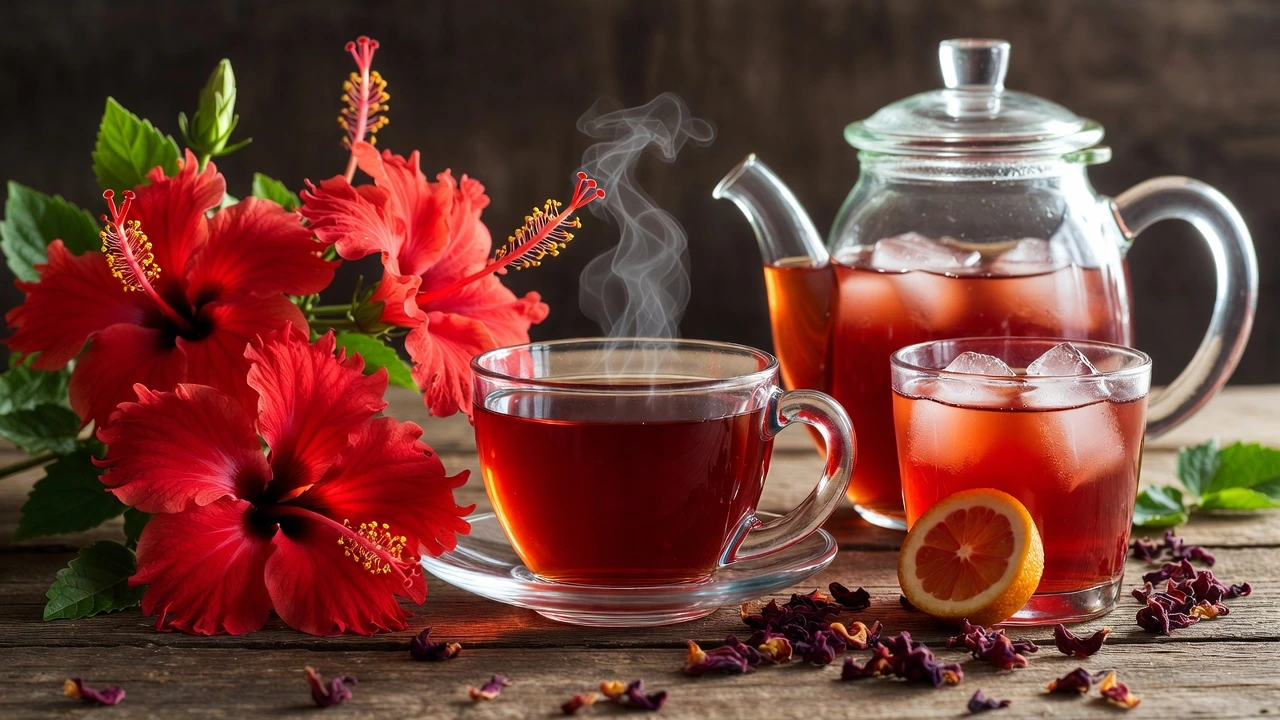
The hibiscus flower, particularly the variety known as Hibiscus sabdariffa, is one of the most versatile botanicals in modern kitchens. While often admired for its bright red petals in gardens, it is the fleshy calyces surrounding the bloom that are harvested, dried, and used for teas, syrups, and culinary creations.
Dried hibiscus flower has a vibrant crimson hue, a naturally tart flavour, and an aromatic fragrance, making it perfect for hot and cold beverages, desserts, and even baking. Its rising popularity can be seen in herbal tea blends, iced drinks, mocktails, and wellness recipes around the world.
In this guide, we’ll explore everything you need to know about hibiscus flower — from its origin and traditional uses to preparation methods, recipes, and tips for choosing and storing the highest quality dried flowers.
What Is Hibiscus Flower?
The hibiscus flower comes from a tropical shrub known as Hibiscus sabdariffa, also called . It grows in warm climates and produces pale yellow blooms with deep red centers. Other common English names for hibiscus in general include roselle, rose mallow and Rose of Sharon.
After harvesting, the calyces are cleaned, naturally dried, and cut into small pieces suitable for tea infusions and culinary use. This drying process preserves the bright colour, concentrates the tart flavour, and ensures that the hibiscus flower maintains its vibrant aroma.
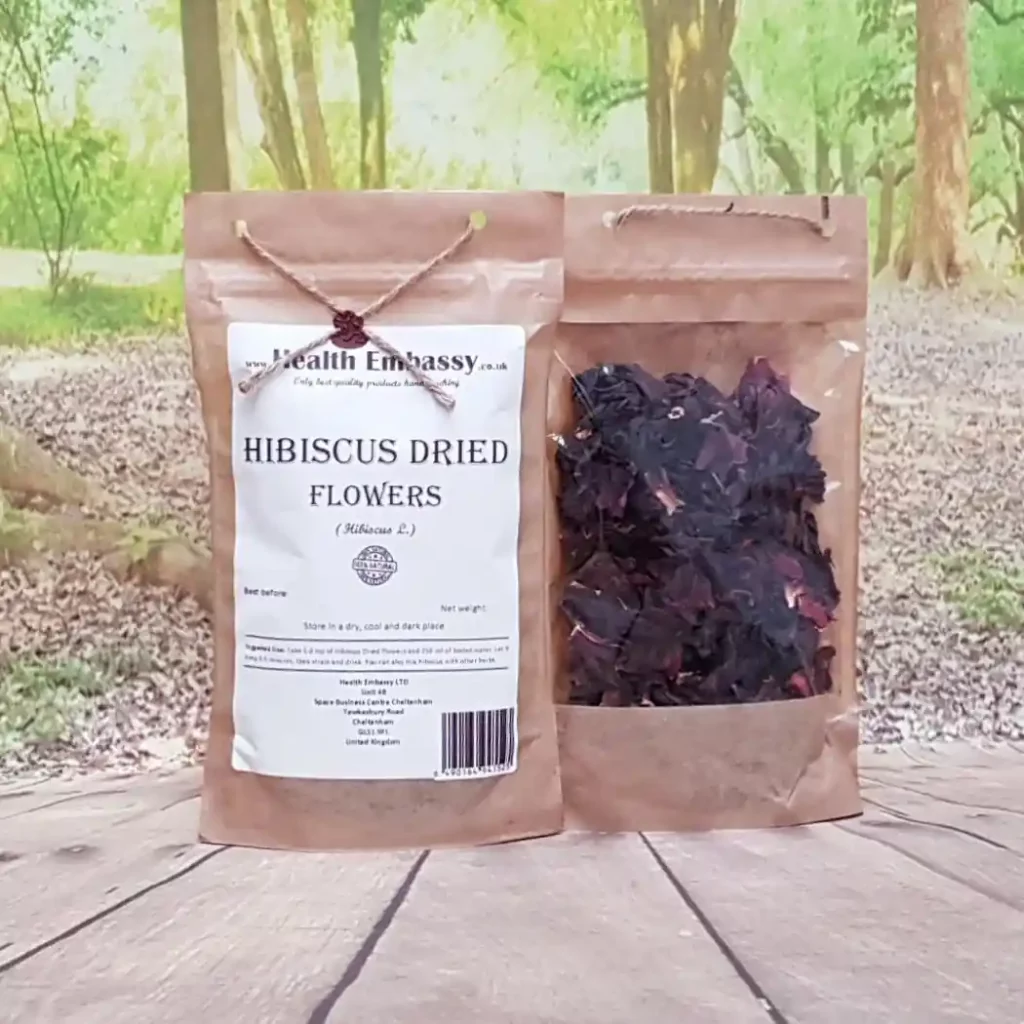
Hibiscus flower has been used for centuries in regions such as Africa, the Caribbean, Central America, and Southeast Asia. Its cultural significance varies: in some countries, it is served during celebrations and social gatherings, while in others, it is enjoyed as a refreshing daily drink.
Traditional Uses of Hibiscus Flower Around the World
Hibiscus flower has a long history of traditional use, and its popularity continues to grow today due to its versatility and visual appeal.
- Mexico: Known as Agua de Jamaica, hibiscus flowers are steeped in water, lightly sweetened, and served chilled. It is a staple at markets, restaurants, and family gatherings.
- Egypt and Sudan: Called Karkade, hibiscus tea is consumed hot or cold and is often served at weddings and celebrations.
- West Africa: Known as Bissap, hibiscus dried flower is prepared with sugar and sometimes flavored with mint or ginger for a refreshing drink.
Across these cultures, hibiscus is valued not only for its flavour and colour but also as a social beverage that brings people together. Today, its appeal has spread globally, and it is increasingly featured in herbal tea blends, specialty drinks, and culinary recipes in Europe, the United States, and Asia.
Why Hibiscus Is Trending Today
Several factors explain the modern surge in popularity of hibiscus:
Visual Appeal
The deep red infusion produced by hibiscus flowers is naturally vibrant, making it ideal for visually striking teas, iced drinks, and cocktails. Its aesthetic appeal has made it popular on social media and in lifestyle blogs, especially for DIY herbal recipes.
Culinary Versatility
Hibiscus works well in a variety of preparations:
- Hot teas and herbal infusions
- Cold or iced beverages
- Syrups and reductions
- Desserts such as jams, jellies, and sauces
- Baking, including glazes, frostings, and infused doughs
Long Shelf Life
Dried hibiscus is lightweight, easy to store, and maintains its colour and flavour for months when kept properly. This makes it convenient for both home kitchens and retail settings.
Compatibility With Other Botanicals
Hibiscus blends beautifully with other herbs and spices:


This adaptability allows for creative combinations in teas, beverages, and desserts.
How to Prepare Hibiscus Tea
Preparing hibiscus dried flower correctly is essential to balance its natural tartness while extracting its vivid colour and aroma. There are several methods depending on whether you prefer a hot infusion, strong decoction, or cold-brewed iced tea.
Hot Infusion
Ingredients:
- 1–2 teaspoons dried hibiscus
- 250 ml freshly boiled water
Method:
Place dried hibiscus flowers in a teapot or heatproof cup and pour boiling water over them. Cover and steep for 5–10 minutes, straining before serving. Steeping for longer extracts a more intense colour and flavour, and you can lightly sweeten if desired.
Decoction Method
For a stronger, more concentrated infusion:
Ingredients:
- 1 tablespoon dried hibiscus
- 500 ml water
Add hibiscus to water in a saucepan and bring to a gentle simmer for 5–7 minutes. Remove from heat and strain; this concentrated decoction is ideal for making syrups, iced teas, or drink bases.
Iced Hibiscus Tea
Ingredients:
- 2 tablespoons dried hibiscus
- 1 litre water
- Optional: lemon slices, mint leaves
Method:
Pour boiling water over dried hibiscus in a heatproof jug and steep for 10–15 minutes. Strain and let cool to room temperature, then refrigerate for at least 2 hours. Serve over ice with optional garnishes; iced hibiscus tea is refreshing, tart, and visually stunning, making it perfect for warm weather or as a sophisticated beverage option.
Hibiscus Flower Syrup
Hibiscus can be used to create a versatile syrup for beverages and desserts.
Ingredients:
- 1 cup dried hibiscus
- 500 ml water
- 400 g sugar
Method:
Simmer hibiscus petals in water for 10 minutes, then strain the liquid into a clean saucepan. Add sugar and simmer gently until dissolved and slightly thickened. Allow to cool before storing in sterilised glass bottles.
Hibiscus syrup can be used to:
- Sweeten iced tea or sparkling water
- Drizzle over yogurt or desserts
- Add to cocktails or mocktails
- Enhance glazes and frostings in baking
Culinary Uses of Hibiscus Dried Flower
Beyond tea and syrups, dried hibiscus flower can be incorporated into various culinary creations:
- Herbal Blends: Combine hibiscus dried flower with rose petals, chamomile, or ginger for unique tea blends.
- Fruit Compotes: Simmer dried hibiscus with berries, apples, or citrus for a colourful and tangy compote.
- Jams and Preserves: Hibiscus adds acidity and colour to preserves, balancing sweetness naturally.
- Baking: Ground or powdered hibiscus can be added to cakes, cookies, frostings, and glazes for flavour and colour.
- Mocktails and Beverages: Use concentrated hibiscus infusion as a base for non-alcoholic drinks, combining it with citrus, sparkling water, or herbs for refreshing results.
Creative Hibiscus Flower Recipes
Here are a few ideas to maximize the use of hibiscus flower:
Hibiscus Mocktail
Ingredients:
- 100 ml concentrated hibiscus infusion
- 200 ml sparkling water
- Ice cubes
- Citrus juice to taste
Method:
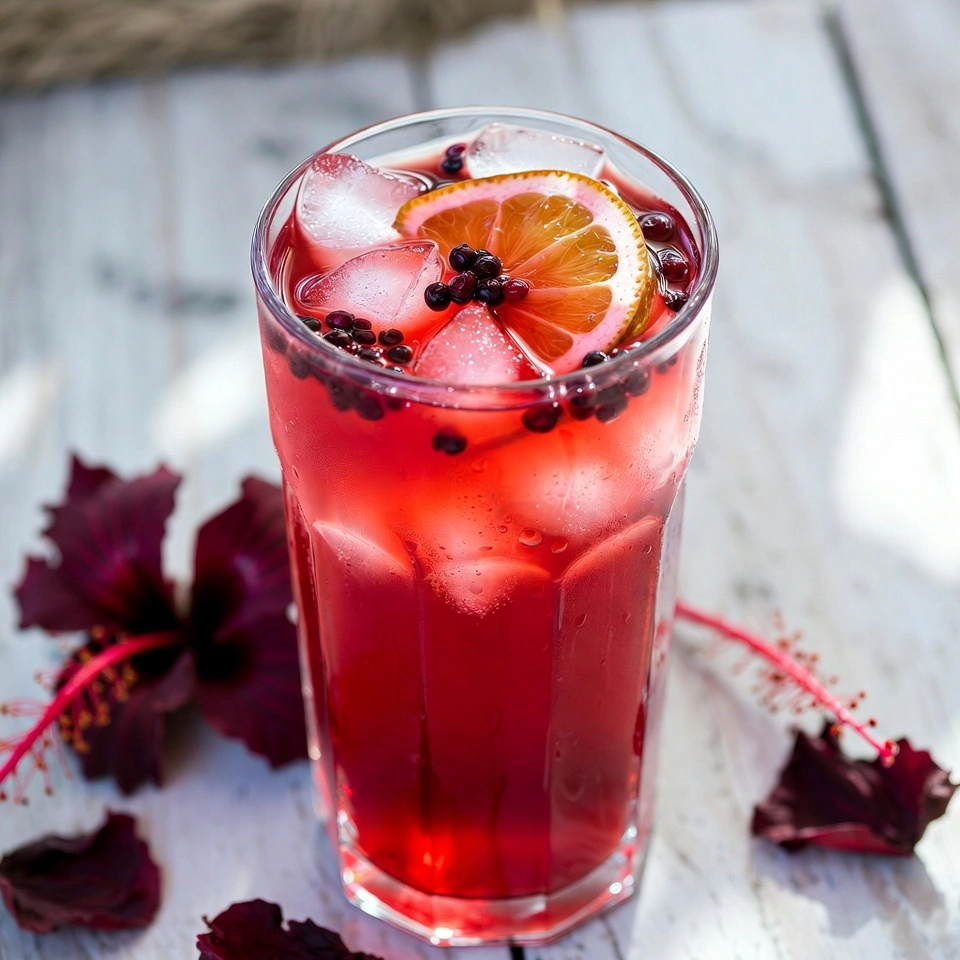
Prepare a strong hibiscus flower infusion and let it cool. Fill a glass with ice, pour in the hibiscus infusion, and top with sparkling water, adding citrus juice for brightness. This creates a visually stunning, refreshing drink that is ideal for gatherings or summer refreshment.
Hibiscus Jam
Ingredients:
- 2 cups concentrated hibiscus infusion
- 500 g chopped strawberries
- 400 g sugar
Method:
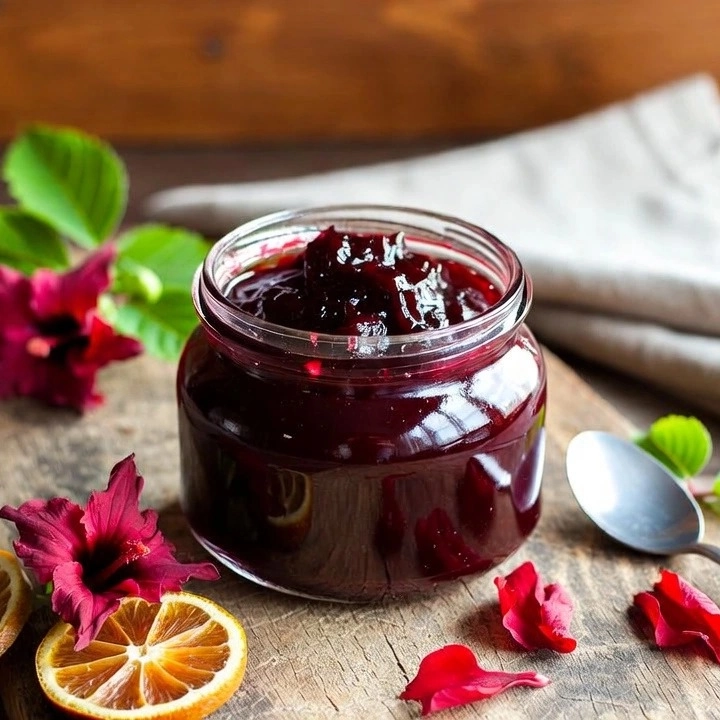
Combine strawberries and hibiscus infusion in a saucepan, add sugar, and cook over medium heat until thickened. Pour into sterilised jars and seal. Hibiscus flower jam is ideal for toast, desserts, or as a flavourful addition to yoghurt or pancakes.
Hibiscus-Infused Baking
Hibiscus flower can be powdered and incorporated into:
- Cake batters for subtle tartness and colour
- Glazes for muffins or scones
- Frostings and icings for visual appeal
- Shortbread or cookies for floral flavour
This versatility allows hibiscus flower to move beyond beverages into the culinary arts.
Hibiscus for Home Use
Hibiscus flower presents multiple opportunities:
- Standalone dried flower packs for tea preparation
- Blends with other herbs like rose, chamomile, or mint
- Iced tea kits or summer beverage bundles
- Gift packs featuring hibiscus flower and syrups
With its bright colour, distinctive flavour, and multiple culinary uses, hibiscus flower is a product that appeals both visually and practically.
How to Choose High-Quality Hibiscus Flower
To ensure the best results, select hibiscus based on these quality indicators:
- Colour: Deep burgundy or ruby red pieces indicate freshness and careful drying.
- Cut Size: Uniform pieces infuse evenly without bitterness.
- Aroma: Fresh, fruity scent; musty or off smells indicate poor storage.
- Texture: Dry but pliable, not sticky or brittle.
Properly stored hibiscus flower maintains its vibrant colour and tart flavour for months.
Storage Recommendations
- Keep in an airtight container.
- Store away from direct light and humidity.
- Avoid storing near strong-smelling spices to preserve aroma.
- Use within the recommended shelf life to maintain quality.
Proper storage ensures that your hibiscus flower remains suitable for tea, syrups, and recipes throughout the year.
Hibiscus Flower: A Vibrant Ingredient for Flavor, Colour, and Creativity
The hibiscus flower is a vibrant, versatile, and visually striking ingredient with centuries of cultural significance. Its tart flavour, bright crimson colour, and aromatic qualities make it ideal for teas, syrups, desserts, baking, and creative beverages.
Whether you are a home cook, tea enthusiast, or herbal retailer, hibiscus offers endless possibilities. Its ease of use, long shelf life, and adaptability ensure that it can be enjoyed year-round. By understanding its preparation methods, culinary applications, and quality indicators, you can fully appreciate the potential of this remarkable botanical.
Hibiscus flower is more than just an ingredient — it is a natural way to bring colour, flavour, and creativity into your kitchen or retail offering.
FAQ: Hibiscus Flower Questions Answered
1. What part of the hibiscus plant is used in teas and culinary preparations?
The part typically used is the dried calyx (the fleshy outer part surrounding the seed capsule), not the petals. It is responsible for the deep red colour and tart flavour.
2. What does hibiscus tea taste like?
Hibiscus has a bright, tart flavour similar to cranberry or pomegranate. The intensity depends on the steeping time and concentration.
3. Is hibiscus naturally caffeine-free?
Yes, hibiscus is naturally caffeine-free, making it suitable for evening consumption or for those avoiding caffeine.
4. How long should hibiscus be steeped?
For a standard infusion, steep for 5–10 minutes. Longer steeping produces a deeper colour and more pronounced tartness.
5. Can hibiscus be used in cooking and baking?
Yes. Hibiscus can be used in syrups, jams, desserts, baked goods, iced teas, and sparkling drinks. It also works well in flavouring yoghurts and sauces.
6. How should dried hibiscus flower be stored?
Store in an airtight container in a cool, dry place away from direct sunlight to preserve colour, flavour, and aroma.
7. What should I look for when buying hibiscus flower?
High-quality hibiscus should have a deep crimson colour, a clean tart aroma, and be free from excess dust or discolouration.
8. What are the hibiscus tea benefits?
Hibiscusbenefits include its vibrant colour, refreshing tart flavour, and versatility in hot or iced beverages. It can be used in teas, syrups, cocktails, and culinary recipes, making it a popular choice for creative drinks and cooking.
Disclaimer:
The information provided in this blog post is for general informational purposes only and is based on information available from various online sources. It is not intended to be a substitute for professional medical advice, diagnosis, or treatment. If you have any health conditions, allergies, or are pregnant or breastfeeding, please consult a healthcare professional before consuming herbal products. Health Embassy does not provide medical advice, nor does it diagnose, treat, or cure any medical conditions.
We do not guarantee the accuracy, completeness, or usefulness of any information provided, and you rely on it at your own risk. Individual results may vary. Health Embassy is not responsible for any adverse effects or consequences resulting from the use of any herbal products discussed on this blog.