No products in the basket.
Herbal Powders vs Whole Herbs: Which Form Is Best for Your Daily Rituals?
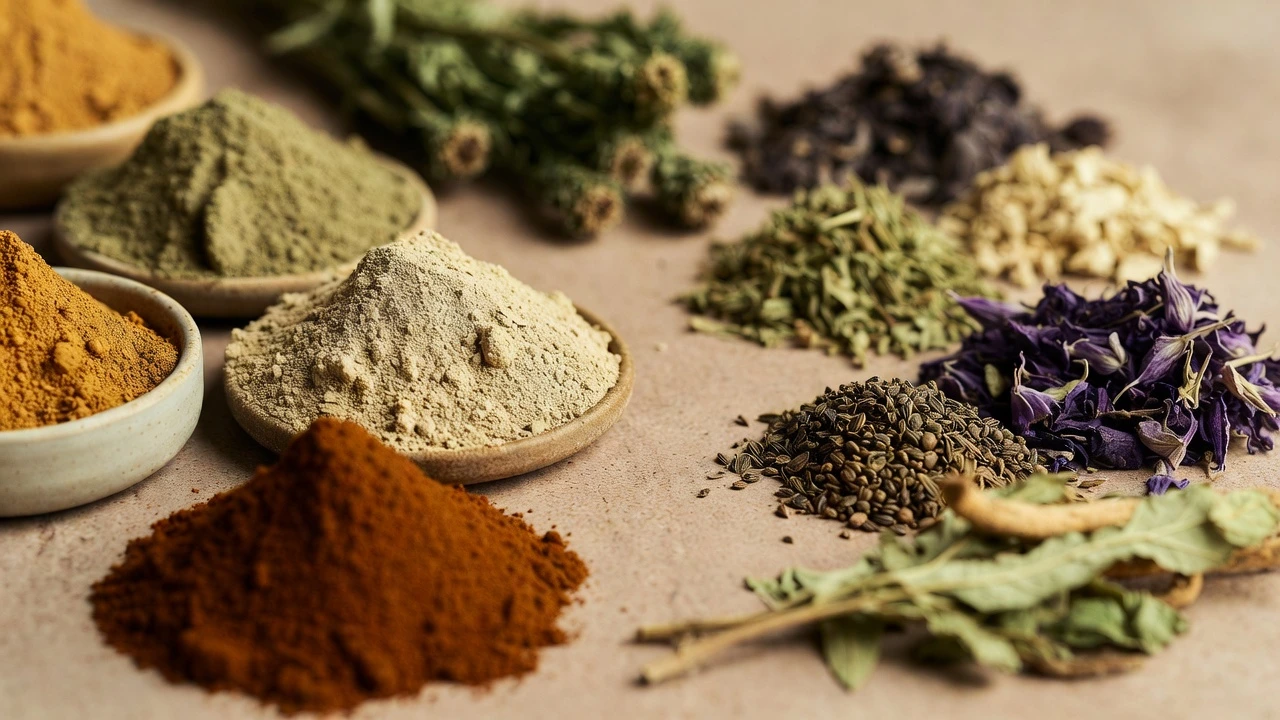
Choosing how you consume herbs is just as important as choosing the herbs themselves, especially at a time when daily wellness rituals are becoming more personalised, intentional, and integrated into busy modern lifestyles. With the growing popularity of herbal powders, many people are now questioning whether finely ground herbs or traditional whole herbs are better suited to their everyday routines. The answer is not about which form is universally superior, but rather which option aligns most naturally with your habits, preferences, and long-term wellness intentions.
In this in-depth guide, we explore herbal powders vs whole herbs through the lens of daily rituals, focusing on preparation, versatility, absorption, storage, and lifestyle compatibility, so you can make informed choices and build a sustainable herbal practice that truly fits your life.
Understanding Whole Herbs
Whole herbs generally refer to dried leaves, flowers, roots, seeds, or peels that remain largely unprocessed after harvesting and drying, preserving the plant’s original structure, aroma, and visual identity. These herbs are most commonly used to prepare infusions, decoctions, or external applications such as compresses, baths, and aromatic steams, all of which require time and attention.
Key Characteristics of Whole Herbs
Whole herbs are typically minimally processed, visually recognisable, and traditionally prepared through brewing or simmering, which allows the ritual of preparation to become an integral part of their use rather than a simple step before consumption.
Across many herbal traditions, the act of measuring loose herbs, pouring hot water, and waiting for an infusion to develop is seen as a moment of pause, encouraging mindfulness and a deeper connection with the plant itself.
What Are Herbal Powders?
Herbal powders are made by finely grinding dried herbs or seeds into a smooth, consistent texture that can be easily measured and incorporated into a wide variety of daily uses. This increased surface area allows the herb to blend seamlessly into drinks, foods, and skincare preparations, making powders particularly appealing for those seeking efficiency and flexibility.
Key Characteristics of Herbal Powders
Herbal powders are finely milled, quick to use, and highly adaptable, allowing them to fit effortlessly into modern routines where time is limited but consistency remains a priority.
As wellness practices continue to evolve, herbal powders have gained popularity for offering a practical way to maintain regular herbal use without the need for lengthy preparation.
Herbal Powders vs Whole Herbs: Core Differences
Understanding the practical differences between herbal powders and whole herbs can help clarify which form supports your lifestyle most effectively, especially when daily routines vary in pace and structure.
Preparation Time
Whole herbs typically require steeping, simmering, or soaking, depending on the part of the plant being used, with preparation times ranging from ten minutes for delicate leaves and flowers to much longer for roots and seeds.
Herbal powders, by contrast, require very little preparation, as they can be stirred into warm water, blended into smoothies, or mixed into food within seconds, making them particularly suitable for busy mornings or on-the-go routines.
Versatility
Whole herbs are traditionally used for teas, infusions, decoctions, and aromatic rituals, where their natural form contributes to both flavour and experience.
Herbal powders offer significantly greater versatility, as they can be added to smoothies, juices, herbal lattes, capsules, DIY skincare products, porridges, yoghurts, or honey blends, allowing a single product to serve multiple purposes throughout the day.
Sensory Experience
Whole herbs provide a rich sensory experience through their aroma, texture, and appearance, which many people value as part of a calming or evening ritual.
Herbal powders deliver a more subtle sensory experience, yet their convenience allows them to become a consistent and unobtrusive part of daily life.
Absorption and Daily Consistency
One of the main reasons people gravitate towards herbal powders is the ease with which they can be consumed consistently, as their fine texture allows them to disperse evenly when mixed into liquids or foods.
Whole herbs often require more time and intention to prepare, which can enhance mindfulness but may also make daily use more challenging when schedules are unpredictable or demanding.
For those aiming to build a long-term habit, such as a daily wellness drink or a regular skincare ritual, herbal powders often provide a more realistic and sustainable option.
Herbal Powders for Modern Daily Rituals
Modern wellness rituals tend to prioritise flexibility, portability, and efficiency, and herbal powders naturally align with these expectations by adapting easily to different routines and environments.
Morning Rituals
Herbal powders can be blended into warm water, smoothies, or plant-based milk as part of a morning ritual, offering a straightforward way to incorporate herbs without interrupting the flow of the day.
On-the-Go Wellness
Because powders are lightweight, compact, and easy to store, they are well suited for travel, workdays, or situations where traditional tea preparation is not practical.
Skincare and External Use
Herbal powders are widely used in natural skincare rituals, where they can be combined with water, oils, or hydrosols to create masks, pastes, and exfoliating blends that feel both intentional and customisable.
This ability to support both internal and external rituals is one of the strongest advantages of herbal powders.
Whole Herbs for Traditional and Mindful Practices
Whole herbs remain an essential choice for those who value tradition, sensory engagement, and slower, more deliberate preparation methods.
Tea and Infusion Rituals
Preparing herbal tea is often as meaningful as drinking it, as the process of steeping whole herbs releases aroma, warmth, and visual beauty that encourages a moment of calm within the day.
Seasonal and Evening Use
Whole herbs are frequently chosen for evening routines or seasonal transitions, when there is time to slow down and engage fully with the ritual of preparation.
Visual Quality and Transparency
Seeing the intact leaves, flowers, or roots creates a sense of trust and connection, reinforcing confidence in the quality and authenticity of the herb being used.
Storage and Shelf Life
Both herbal powders and whole herbs benefit from careful storage, although powders require slightly more attention due to their increased surface area. Whole herbs generally retain their quality for longer periods when stored correctly, as less of the plant material is exposed to air.
Herbal powders should always be kept in airtight containers and protected from light and moisture to preserve freshness and aroma throughout their shelf life.
Choosing the Right Form for Your Lifestyle
Rather than committing exclusively to one form, many people find that combining herbal powders and whole herbs allows for greater flexibility and enjoyment.
Those who value speed, precision, and versatility often prefer herbal powders, while individuals who enjoy slower rituals and traditional preparation methods may gravitate towards whole herbs.
Combining Herbal Powders and Whole Herbs
A balanced herbal practice often incorporates both forms in a complementary way, such as using herbal powders in the morning for convenience and whole herbs in the evening for relaxation and mindfulness.
This approach allows you to experience the full spectrum of benefits that herbs can offer without feeling restricted by a single format.
Quality Matters More Than Form
Regardless of whether you choose herbal powders or whole herbs, quality remains the most important consideration, as carefully sourced and gently processed herbs retain their natural integrity and character.
Choosing reputable brands that prioritise transparent sourcing and responsible handling ensures that both powders and whole herbs meet high standards of purity and freshness.
Building a Daily Herbal Ritual That Lasts
The most effective herbal ritual is one that fits naturally into your daily rhythm, rather than feeling like an obligation or interruption.
While herbal powders offer exceptional convenience for modern lifestyles, whole herbs provide depth, sensory richness, and a sense of tradition that many people find grounding.
Herbal Powders for Everyday Rituals at Health Embassy
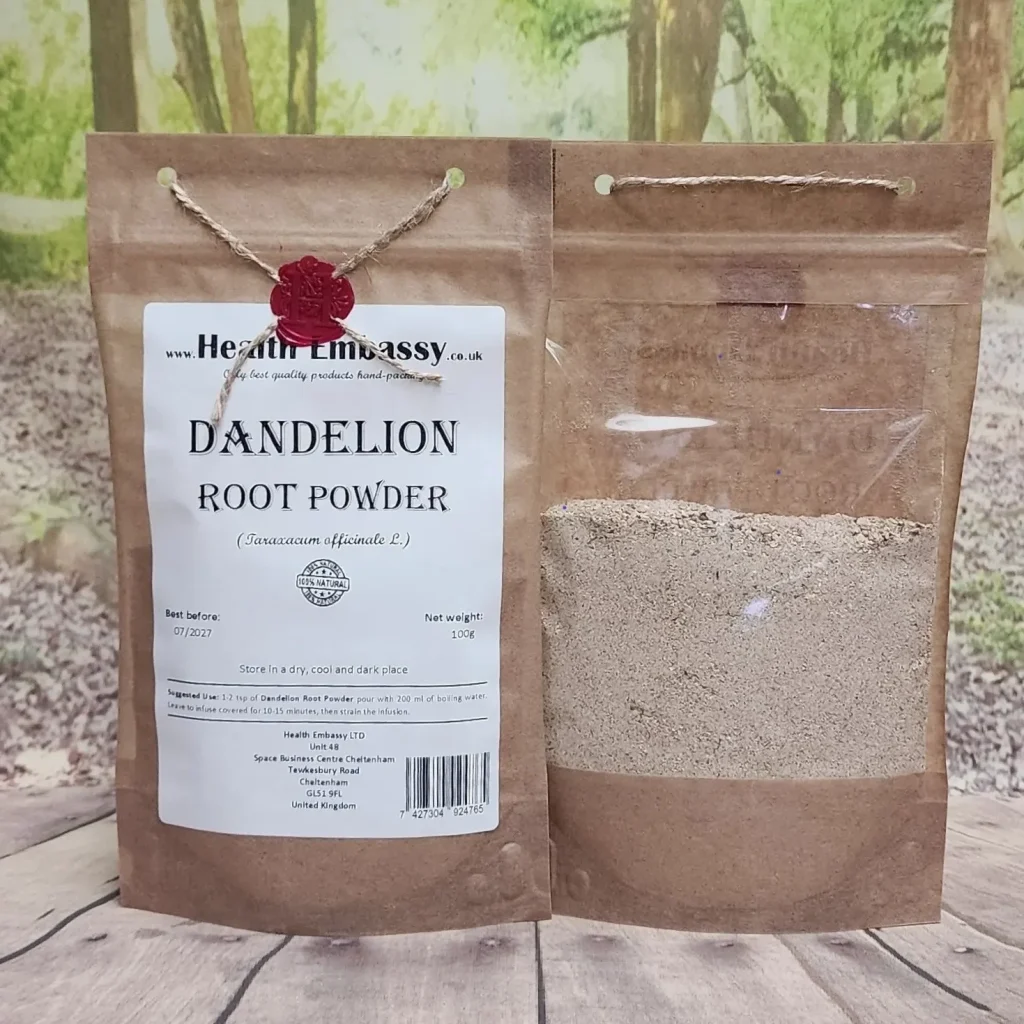
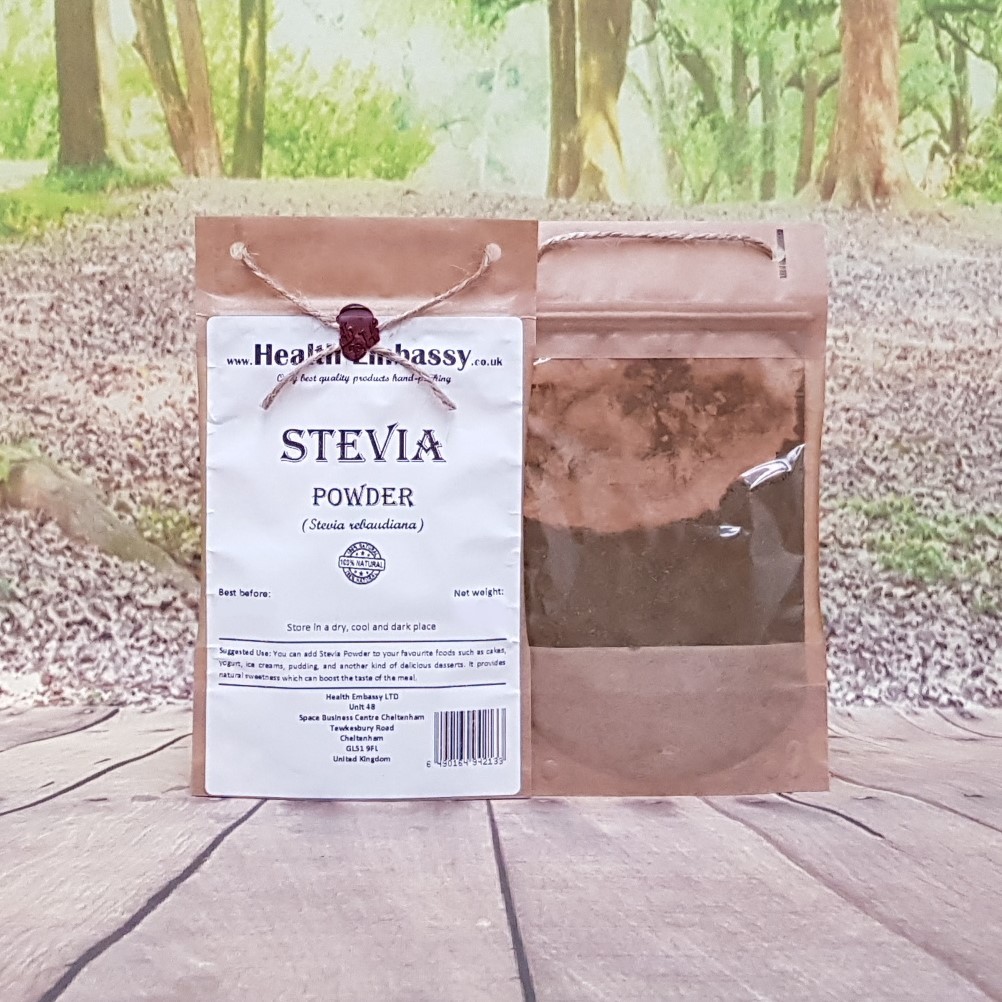
Health Embassy offers a selection of herbal powders designed to support modern daily rituals while remaining rooted in traditional herbal practices. Each powder is finely milled for ease of use and versatility, making it simple to incorporate herbs into drinks, foods, or personalised wellness routines. This range allows individuals to choose herbal powders that align with their lifestyle, whether they prefer quick morning blends, functional recipes, or consistent daily habits.




Final Thoughts
Herbal powders and whole herbs each bring distinct advantages to daily rituals, with powders excelling in versatility, speed, and consistency, and whole herbs offering tradition, aroma, and mindful preparation.
By understanding how each form supports different needs and moments within the day, you can create a personalised herbal practice that feels both practical and meaningful, allowing herbs to become an integrated part of everyday life rather than a passing trend.
Herbal Powders vs Whole Herbs: Frequently Asked Questions
1. Are herbal powders as effective as whole herbs?
Herbal powders can be just as effective as whole herbs when they are made from high-quality, properly dried plant material, as the powdered form allows for easy and consistent daily use, especially when mixed into drinks or foods.
2. Why are herbal powders more popular for daily rituals?
Herbal powders are popular because they require minimal preparation, integrate easily into modern routines, and allow herbs to be used consistently without the need for brewing teas or preparing infusions.
3. Can herbal powders be used both internally and on the skin?
Yes, herbal powders can be used both internally and externally, making them suitable for drinks, foods, and DIY skincare; however, a patch test is always recommended before applying them to the skin.
4. Do whole herbs last longer than herbal powders?
Whole herbs often have a longer shelf life because less of the plant material is exposed to air, while herbal powders should be stored carefully in airtight containers to maintain freshness and quality.
5. Are herbal powders suitable for beginners?
Herbal powders are especially suitable for beginners because they are easy to measure, simple to use, and do not require specialised preparation methods, making them accessible for everyday routines.
6. Is it better to use herbal powders or whole herbs for tea?
Whole herbs are generally preferred for traditional teas and infusions due to their flavour, aroma, and visual qualities, while herbal powders are better suited for mixing into beverages rather than steeping.
7. Can I combine herbal powders and whole herbs in one routine?
Combining herbal powders and whole herbs is often the most practical approach, as powders work well for quick daily rituals, while whole herbs are ideal for slower, more mindful preparation in the evening or during seasonal resets. For general guidance on plant-based powders and their responsible use, MedlinePlus from the U.S. National Library of Medicine provides an overview of how plant-derived products are commonly used and why quality and informed choice matter.
8. How can I make an herbal drink using herbal powders?
To make an herbal drink, simply mix the desired herbal powder—such as Barley Grass, Burdock Root, or Nigella Sativa Seeds Powder—into warm water, plant-based milk, or a smoothie. Stir well, start with a small amount, and enjoy daily. Always follow recommended serving sizes and, if using externally on the skin, perform a patch test first.
Disclaimer:
The information provided in this blog post is for general informational purposes only and is based on information available from various online sources. It is not intended to be a substitute for professional medical advice, diagnosis, or treatment. If you have any health conditions, allergies, or are pregnant or breastfeeding, please consult a healthcare professional before consuming herbal products. Health Embassy does not provide medical advice, nor does it diagnose, treat, or cure any medical conditions.
We do not guarantee the accuracy, completeness, or usefulness of any information provided, and you rely on it at your own risk. Individual results may vary. Health Embassy is not responsible for any adverse effects or consequences resulting from the use of any herbal products discussed on this blog.