No products in the basket.
8 Amazing benefits of Lady’s Mantle Herb

Lady’s Mantle Herb is a fascinating and resilient plant native primarily to Europe and Greenland. Known scientifically as Alchemilla vulgaris, it belongs to the Alchemilla genus, which includes around 300 species. This hardy herb thrives in cool climates and can withstand very low temperatures, making it a common sight in mountainous regions, wet meadows, and forests.
Over centuries, Lady’s Mantle Herb has acquired a rich history of cultural and medicinal uses. From mystical beliefs surrounding alchemy to practical applications in women’s health and skin care, it remains a significant herb in traditional herbalism and modern natural wellness.
Historical and Cultural Background of Lady’s Mantle Herb (Alchemilla vulgaris)
The lore around Lady’s Mantle is as intriguing as its botanical features. During the Middle Ages, alchemists regarded it as a magical plant, believing the dew collected on its leaves was part of the legendary philosopher’s stone. The philosopher’s stone was said to have the power to transmute base metals into gold and to cure any disease, an idea that captured the imagination of many during that era. This mystical association is reflected in the Latin name Alchemilla vulgaris, where Alchemilla refers to alchemy and vulgaris means common, indicating its widespread growth and use.
Another popular legend ties the plant to the Virgin Mary. The distinctive fan-shaped leaves were thought to resemble the cloak (mantle) she wore, hence the English name “Lady’s Mantle”. This symbolism contributed to its use in religious ceremonies and folk magic. The nickname “dew cup” also arises from how the plant’s leaves naturally collect water droplets, which were often collected for medicinal and magical purposes.
Botanical Characteristics and Growing Conditions
Lady’s Mantle is a perennial herbaceous plant that typically grows to about 20–50 cm in height. Its leaves are soft, lobed, and have a serrated edge, often covered in fine hairs that catch and hold water droplets. The plant produces clusters of tiny greenish-yellow flowers in midsummer, which are usually harvested along with the leaves and roots for herbal use.
Ideal Growing Environment
Prefers cool, temperate climates
Thrives in moist, well-drained soil
Commonly found in meadows, forest edges, and mountainous areas
Hardy to frost and low temperatures, making it suitable for northern latitudes
Many gardeners cultivate Lady’s Mantle as an ornamental ground cover because of its attractive foliage and dew-catching leaves.
Traditional and Modern Uses of Lady’s Mantle Herb
Medicinal Uses Throughout History
Lady’s Mantle Herb has a long history of medicinal use, especially in European herbal traditions. In medieval times, it was highly valued for its wound-healing properties and as a remedy for various women’s health issues.
The plant’s astringent properties were used to treat bleeding wounds and reduce inflammation.
It was employed to regulate menstrual cycles and alleviate heavy or painful menstruation.
Midwives used it to support women during childbirth and postpartum recovery.
Contemporary Applications
Today, Lady’s Mantle Herb continues to be used primarily for women’s health but also finds broader applications in skin care and digestive support.
Potential Health Benefits of Lady’s Mantle Herb
Support for Women’s Health
One of the best-known uses of Lady’s Mantle is its role in supporting female reproductive health. Often referred to as a “woman’s herb”, it has been used traditionally to:
Regulate menstrual flow: Lady’s Mantle Herb can help balance irregular periods and reduce excessive bleeding.
Alleviate menstrual cramps: The plant’s mild anti-inflammatory effects may reduce discomfort during menstruation.
Manage menopausal symptoms: Some women use it to ease hot flashes and night sweats.
Support postpartum recovery: Drinking Lady’s Mantle tea after childbirth may help the uterus regain strength and return to its normal shape.
Address endometriosis symptoms: It may help tone the uterus and reduce bleeding related to endometriosis.
While there is anecdotal evidence and traditional use supporting these effects, it is important to consult a healthcare professional for diagnosis and treatment.
Wound Healing and Skin Care
Lady’s Mantle’s astringent tannins contribute to its ability to tighten tissues and reduce inflammation, making it useful for:
Healing minor cuts and abrasions
Treating skin conditions like acne and rashes
Soothing insect bites and stings
Supporting healing of infected wounds (including those with gangrene in historical use)
Reducing swelling and inflammation in affected areas
Additionally, some people use Lady’s Mantle Herb externally as a wash or compress to soothe skin irritations.
Digestive Health
Lady’s Mantle Herb may also aid digestive health by:
Easing mild diarrhea due to its astringent action
Reducing stomach cramps and indigestion
Supporting overall gut comfort
Herbal teas made from Lady’s Mantle have traditionally been used to calm the digestive tract.
Sleep and Relaxation
In folk traditions, placing Lady’s Mantle leaves under a pillow was believed to promote restful sleep. Its mild sedative effects could contribute to relaxation and better sleep quality.
How to Use Lady’s Mantle Herb: Methods and Recipes
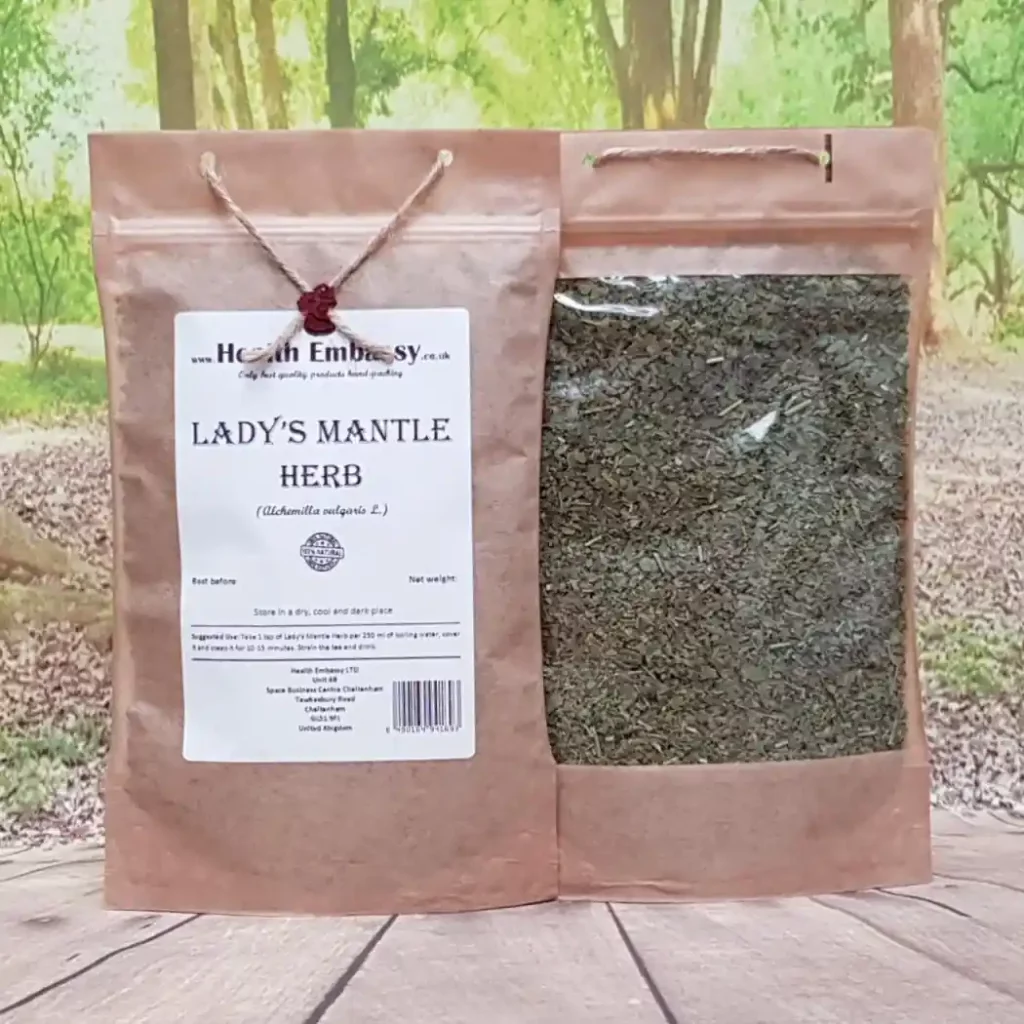
Herbal Tea Preparation
The most popular way to consume Lady’s Mantle is as an herbal tea. To prepare:
Use about 2 teaspoons of dried Lady’s Mantle Herb.
Pour 250 ml (1 cup) of boiling water over the herb.
Cover and steep for 5–15 minutes.
Strain and drink.
Uses: The tea can be consumed to potentially relieve digestive discomfort, ease menstrual cramps, or soothe a sore throat. Some also drink it postpartum to aid uterine recovery.
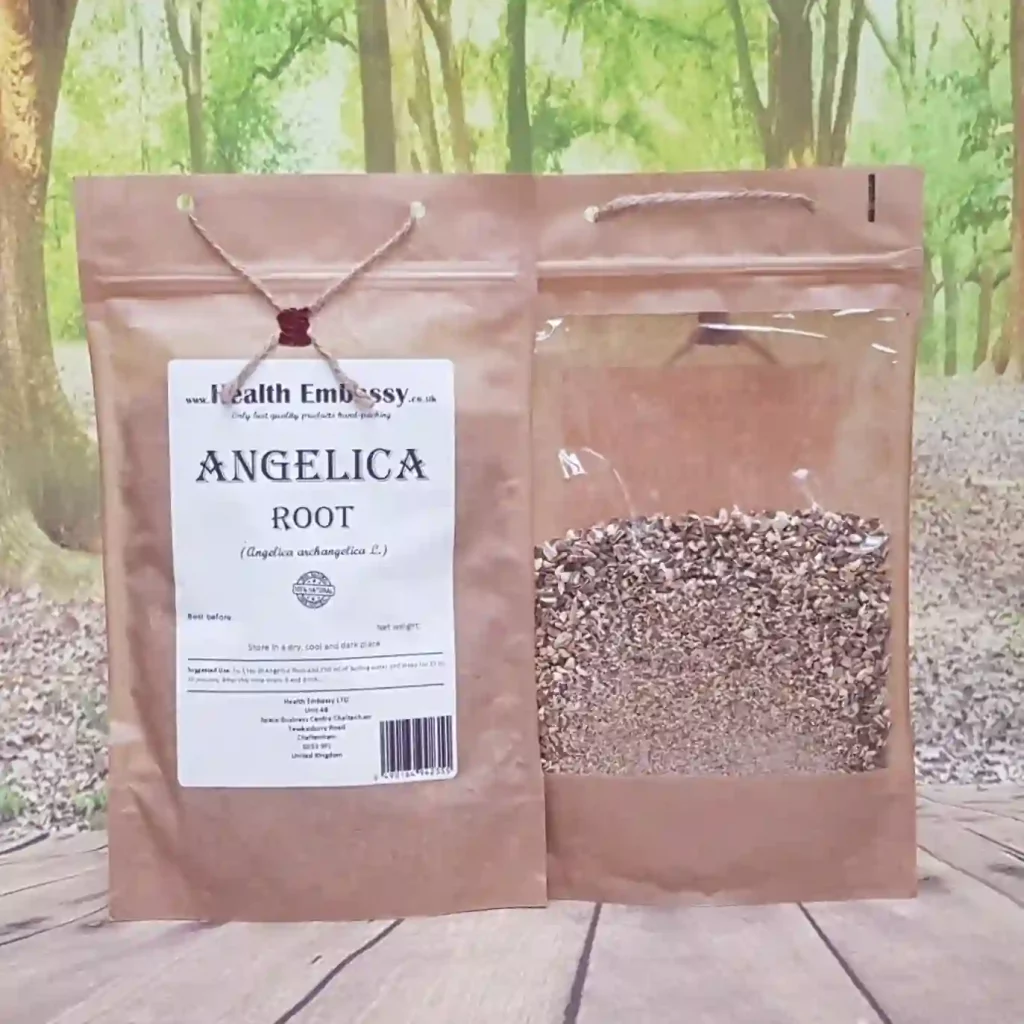
The tea has a mild, slightly grassy taste, similar to green tea. For a more complex flavor and additional benefits, you can blend Lady’s Mantle Herb with herbs such as Raspberry Leaf, Lemon Verbena Leaf, Angelica Root, or Rose Petals.



Poultices and Topical Applications
A poultice made from Lady’s Mantle Herb can be applied to:
Skin ulcers
Cellulite
Minor wounds or insect bites
This topical use leverages the plant’s astringent and anti-inflammatory properties. Before wider use, remember to do a patch test: apply a small amount to a small area of skin and wait 24 hours to check for any irritation.
Tincture Preparation
To make a tincture:
Fill a glass bottle with dried Lady’s Mantle Herb.
Cover completely with 40% ABV (alcohol by volume) alcohol, such as vodka.
Seal tightly and store in a cool, dark place for 3 weeks, shaking occasionally.
Strain before use.
Herbal Bath Recipe
Lady’s Mantle can be used in herbal baths to soothe inflammation and support skin health:
Boil 4 tablespoons of Lady’s Mantle Herb in 500 ml water for 10–15 minutes.
Optionally add ground Comfrey Root and English Plantain Leaf.
Strain the infusion and add it to your bath water.
This herbal bath is traditionally used for soothing hip discomfort and skin irritations.
Conclusion
Lady’s Mantle Herb is a versatile plant with a rich cultural heritage and a range of traditional uses, particularly in women’s health, skin care, and digestive support. Whether consumed as a tea, applied as a poultice, or used in baths, its astringent and anti-inflammatory properties offer several potential benefits.
Its resilience in cool climates and easy cultivation also make it an appealing addition to herbal gardens. You can learn more about the plant’s background and botanical classification on online sources.
As with all herbal remedies, it is best used responsibly and under professional guidance.
Frequently Asked Questions (FAQ)
What is Lady’s Mantle?
Lady’s Mantle (Alchemilla vulgaris) is a perennial herb native to Europe and Greenland, known for its distinctive fan-shaped leaves that collect dew. It has a long history of use in traditional herbal medicine, especially for women’s health and skin care.
What are the main health benefits of Lady’s Mantle?
Lady’s Mantle is traditionally used to support women’s health by regulating menstrual flow, easing cramps, and alleviating menopausal symptoms. It also has astringent properties useful for wound healing, skin conditions, digestive support, and mild inflammation.
How do I prepare Lady’s Mantle tea?
To prepare Lady’s Mantle tea, steep 2 teaspoons of dried herb in one cup (250 ml) of boiling water for 10 to 20 minutes. Strain before drinking. You can also blend it with herbs like Raspberry Leaf or Lemon Verbena for added flavor.
Can I use Lady’s Mantle topically?
Yes, Lady’s Mantle Herb can be made into a poultice to treat minor wounds, skin irritations, insect bites, and conditions like cellulite and ulcers. Always test a small skin area first to check for sensitivity.
Is Lady’s Mantle safe to use during pregnancy?
It is recommended to consult a healthcare professional before using Lady’s Mantle during pregnancy or breastfeeding, as it may affect uterine function.
How do I make a Lady’s Mantle tincture?
Fill a glass bottle with dried Lady’s Mantle Herb and cover with 40% ABV alcohol. Macerate for 3 weeks, shaking occasionally, then strain. The suggested dose is 2–4 ml before meals, for up to 3 weeks.
What are the traditional uses of Lady’s Mantle?
Historically, Lady’s Mantle was used by alchemists, and in folk medicine to treat wounds, women’s reproductive issues, and digestive problems. It was also associated with various magical and religious beliefs.
Can Lady’s Mantle help with skin problems?
Yes, thanks to its astringent and anti-inflammatory properties, Lady’s Mantle is traditionally used to soothe acne, rashes, insect bites, and minor wounds.
How can I incorporate Lady’s Mantle into my daily routine?
You can drink Lady’s Mantle tea, use it in topical applications like poultices or herbal baths, or add the leaves to meals. Always start with small amounts and consult a healthcare professional if unsure.
Disclaimer:
The information provided in this blog post is for general informational purposes only and is based on information available from various online sources. It is not intended to be a substitute for professional medical advice, diagnosis, or treatment. If you have any health conditions, allergies, or are pregnant or breastfeeding, please consult a healthcare professional before consuming herbal products. Health Embassy does not provide medical advice, nor does it diagnose, treat, or cure any medical conditions.
We do not guarantee the accuracy, completeness, or usefulness of any information provided, and you rely on it at your own risk. Individual results may vary. Health Embassy is not responsible for any adverse effects or consequences resulting from the use of any herbal products discussed on this blog.