No products in the basket.


Soapwort Root (Saponaria officinalis L.)
Price range: £7.99 through £15.99
Soapwort Root (Saponaria officinalis L.) is wild-collected, carefully dried, and hand-packed in loose, cut form. Traditionally valued for its natural foaming properties, it has been used in heritage textile care, botanical rinses, and gentle infusions. This versatile root is ideal for crafting natural preparations, from DIY hair and skin rinses to bath blends and household herbal applications.
Description
Soapwort Root, botanically known as Saponaria officinalis L., is a fascinating heritage botanical that blends history, tradition, and creativity. Once valued across Europe as a natural cleaning agent and gentle herbal rinse, this humble root remains a distinctive ingredient in both folk preparations and botanical-inspired crafts today.
Celebrated for its natural foaming properties, Soapwort Root is rich in saponins – plant-based compounds that gently lather when combined with water. This characteristic made the root an essential part of traditional rural life, long before synthetic soaps were widely available. Today, it invites a return to more natural, hands-on approaches, whether in homemade skincare, fibre rinses, or herbal crafting.
At Health Embassy, we offer high-quality dried Soapwort Root in loose, cut form, carefully hand-packed in resealable packaging that protects its integrity and supports ease of use.
Historical Background
Native Habitat
Soapwort is a perennial herb native to central and southern Europe, where it has grown wild in meadows, riverbanks, and cottage gardens for centuries. The Latin name Saponaria officinalis speaks to its historical use in apothecaries – sapo meaning soap, and officinalis denoting its presence in traditional dispensaries.
Traditional Uses
This root was widely utilised in medieval households for cleaning delicate textiles, particularly wool, lace, and embroidery, due to its ability to cleanse without damaging fabric. Monasteries and folk practitioners alike prepared decoctions of the root to serve practical household and occasional cosmetic purposes.
Its use has since expanded into the world of botanical art and DIY formulations, where it is prized not only for its gentle action but also for its connection to pre-industrial herbal traditions.
Appearance and Form
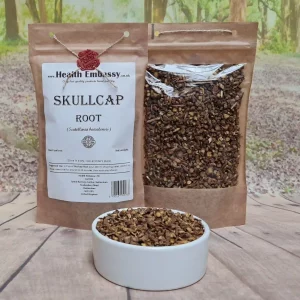
Health Embassy’s Soapwort Root is supplied dried and cut into small pieces for easy infusion or decoction. It features a fibrous, woody texture with light brown to beige tones. When steeped or simmered in water, it releases a mild, clean lather that carries a subtle earthy aroma.
Its visual simplicity belies its versatility: this root has earned its place in both practical and creative herbal traditions.
How to Make Soapwort Root Infusion
Ingredients:
1–2 teaspoons of dried Soapwort Root
250 ml (1 cup) freshly boiled water
Instructions:
Place the dried root into a heatproof container or teapot.
Pour the freshly boiled water over the herb.
Cover and let it steep for 5–15 minutes.
Strain well through a fine sieve.
Let cool before using.
This infusion is typically intended for external use.
Traditional & Craft Uses
Soapwort Root remains a popular choice for a variety of non-culinary preparations. These uses often reflect a desire to return to slower, more thoughtful forms of self-care and sustainable living.
Heritage-Inspired Applications
Botanical Rinse for Textiles: Historically used to gently clean antique fabrics, its use continues today in textile restoration and traditional fibre arts.
Gentle Herbal Hair Rinse: Prepared as a light decoction, Soapwort can be applied to the scalp as a simple rinse.
Natural Foaming Base for DIY Projects: Used in handmade rinses and non-commercial skincare experiments.
Traditional Bath Additive: Add to a cloth pouch and steep in the bath for a nostalgic soak.
How to Prepare
Soapwort Root should be prepared using gentle simmering techniques to extract its natural saponins effectively.
Basic Decoction
Use 1–2 tablespoons of dried Soapwort Root per 500 ml of water.
Simmer gently for 15–20 minutes, uncovered.
Let cool, then strain.
Use within 2–3 days when stored in the refrigerator.
This decoction can be used externally as a rinse, added to bathwater, or used as a botanical base for non-cosmetic personal care crafting.
Always perform a patch test before applying any decoction externally.
Blending Recommendations
Soapwort Root can be combined with other complementary botanicals to create gentle, traditional, or creatively inspired preparations. The following herbs from the Health Embassy collection pair well with its naturally mild, foaming character:
Chamomile Flower (Matricaria L): Offers soft floral notes, ideal for soothing skin and hair rinse blends.
Lavender Flower (Lavandula L): Enhances any preparation with a delicate fragrance and gentle herbal profile.
Marshmallow Root (Althaea officinalis): Adds a silky texture and moisture-retaining quality, especially suited for skin and hair formulations.
Calendula Petals (Calendula L): Brightens the blend visually and supports a mild, botanical cleansing experience.
Stinging Nettle Leaf (Urtica dioica): Introduces a mineral-rich, balancing component often used in traditional herbal rinses.
Use approximately 1 teaspoon of Soapwort Root with 1 teaspoon of the chosen herb per cup of water for decoction or infusion, depending on the intended use. Adjust strength and proportion to suit your craft or rinse preferences, keeping Soapwort as the foundation for its gentle lather.
Product Quality and Storage
Health Embassy’s Soapwort Root is carefully selected, cut, and dried to retain its natural properties. It is:
Free from additives, dyes, or preservatives
Hand-packed in resealable bags
Designed for easy storage and reuse
Our packaging protects the root from exposure while offering visibility and convenience for regular use. The resealable function allows for repeated opening and closing without losing freshness.
Storage Tips
Store in a cool, dry place away from direct sunlight
Ensure the bag is sealed after each use
Learn More
For those interested in the historical or practical aspects of Soapwort Root, a range of botanical references and historical texts offer insight into its place in European rural life. From old herbals to modern craft and natural living guides, Soapwort continues to inspire curiosity in those seeking traditional solutions and creative expression.
Disclaimer
This description is provided for informational purposes only and is not intended to diagnose, treat, or replace professional medical advice. If you are pregnant, nursing, taking medications, or have a health condition, consult a qualified healthcare provider before using herbal products.