No products in the basket.
Chinese Herbal Medicine: Powerful Ancient Wisdom for Modern Wellness

Chinese Herbal Medicine is one of the world’s oldest holistic healing systems, with origins dating back over 3,000 years. It is based on the idea that health is the result of a balanced relationship between the body, mind, and environment. Unlike Western medicine, which often treats symptoms, Traditional Chinese Medicine (TCM) seeks to address the root causes of imbalance and illness by restoring harmony within the body.
At the core of TCM is the concept of Yin and Yang — two opposing but complementary forces that exist in all things. Health is maintained when these forces are in equilibrium. When they fall out of balance, illness can develop. This principle guides every aspect of TCM, from acupuncture and massage to diet and herbal medicine.
One of the five pillars of traditional Chinese medicine is pharmacopoeia, the use of herbs and botanicals to prevent and treat ailments. Chinese herbal medicine is a sophisticated system that uses thousands of plants, minerals, and animal products. Among these, herbs have a special place for their natural ability to support the body’s energy, organs, and overall vitality.
In this article, we will explore the philosophy behind Chinese herbal medicine, introduce some of the most important herbs used traditionally, and explain how these powerful botanicals fit into modern wellness practices today.
The Philosophy Behind Chinese Herbal Medicine
TCM is deeply influenced by ancient Chinese philosophy, particularly the Taoist vision of the universe. At its foundation are the concepts of Yin and Yang and the Five Elements Theory.
Yin and Yang: Balance in All Things
Yin and Yang represent complementary forces — light and dark, hot and cold, active and passive. Every aspect of the body, mind, and environment can be understood through the interaction of these forces. For example:
- The heart is considered Yang — warm and active.
- The kidneys are Yin — cool and restorative.
When Yin and Yang are balanced, the body functions optimally. Disease arises when there is excess or deficiency in either force.
The Five Elements: Wood, Fire, Earth, Metal, and Water
Another foundational concept in TCM is the Five Elements Theory. It connects natural phenomena with the human body. Each element corresponds to organs, seasons, colors, tastes, and emotions:
| Element | Organ(s) | Season | Color | Taste | Emotion |
|---|---|---|---|---|---|
| Wood | Liver, Gallbladder | Spring | Green | Sour | Anger |
| Fire | Heart, Small Intestine | Summer | Red | Bitter | Joy |
| Earth | Spleen, Stomach | Late Summer | Yellow | Sweet | Worry |
| Metal | Lung, Large Intestine | Autumn | White | Pungent | Grief |
| Water | Kidney, Bladder | Winter | Black | Salty | Fear |
This framework helps practitioners select herbs that harmonize specific organs and energies, based on the season, condition, and individual needs.
Key Herbs in Chinese Herbal Medicine and Their Traditional Uses
While thousands of herbs are used in TCM, certain botanicals are especially valued for their versatility and effectiveness. Below are some examples you can find in dried form at Health Embassy.
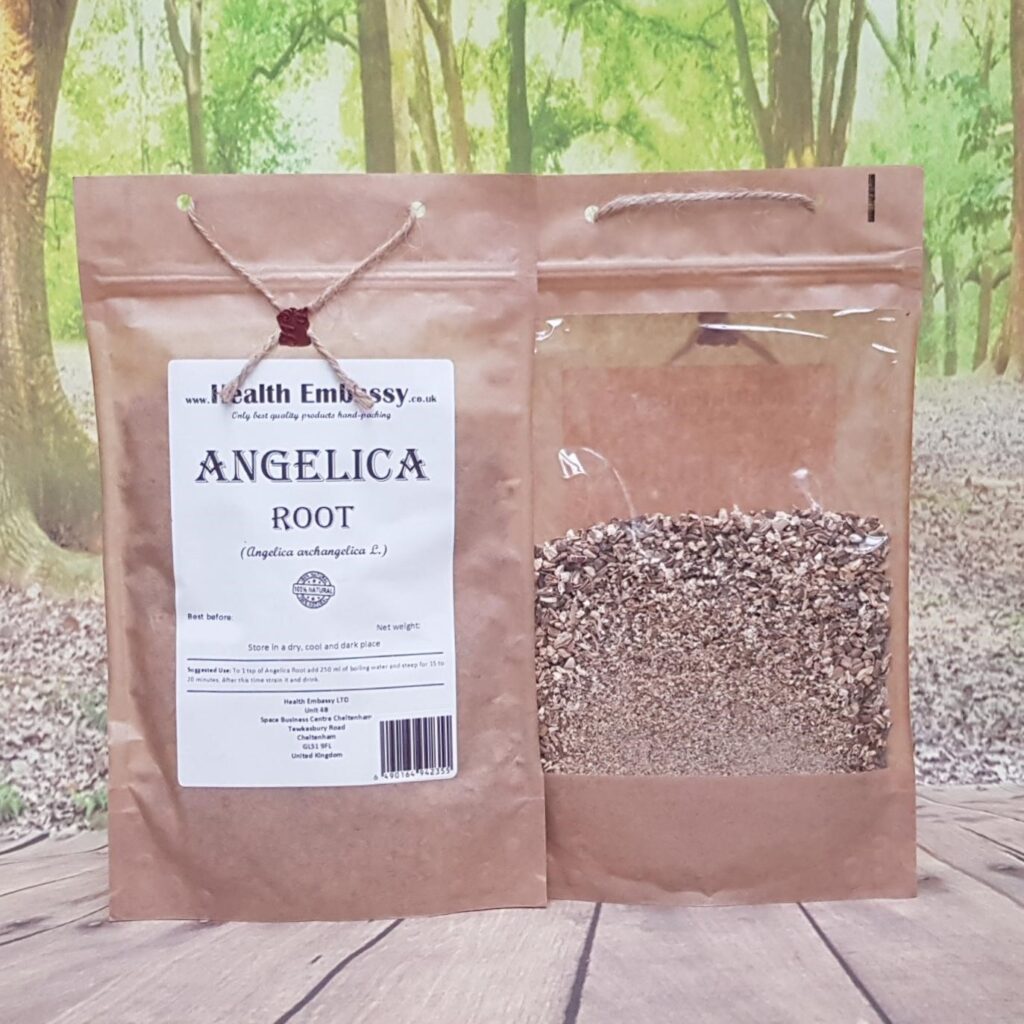
Angelica Root (Dang Gui)
Angelica Root, often called “female ginseng”, plays a critical role in supporting the liver and spleen functions in Chinese herbal medicine. The liver governs the smooth flow of Qi (vital energy) and blood, while the spleen manages digestion and nutrient extraction.
Angelica Root is traditionally used to:
- Nourish and invigorate blood circulation.
- Regulate menstrual cycles.
- Support digestion and alleviate fatigue.
At Health Embassy, our dried Angelica Root is hand-packed to preserve its natural qualities and can be conveniently used in teas, tinctures, or other herbal routines.

Wormwood Herb (Artemisia)
Historically important for treating fevers and malaria, Wormwood Herb is also studied today for its potential in managing digestive inflammatory conditions. Its bitter and cooling properties help restore balance when the body experiences excess heat.
Wormwood has been used in Chinese herbal medicine primarily to:
- Clear internal heat.
- Improve digestion.
- Treat insect bites and infections.
Health Embassy’s dried Wormwood Herb is hand-packed for freshness and can be easily added to your herbal preparations or DIY remedies.
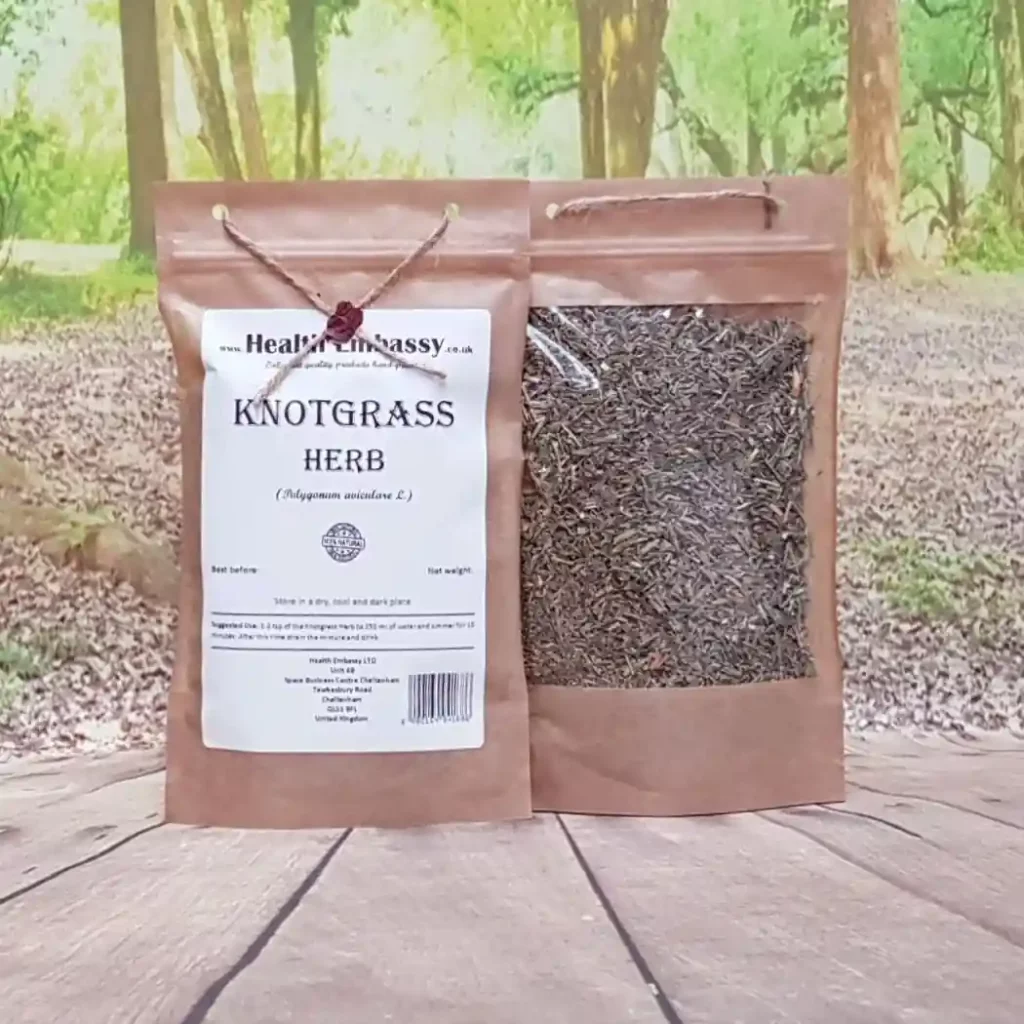
Knotgrass Herb (Polygonum aviculare)
Its slightly bitter, cooling nature makes it suitable for conditions linked to heat and inflammation. Knotgrass Herb is commonly used in decoctions, herbal blends, or infusions. In modern wellness, it is often included in detox and digestive support programs.
Knotgrass Herb has been used in Chinese herbal medicine to:
- Clear damp heat from the body
- Support urinary tract health
- Soothe digestive discomfort, especially in cases of diarrhea
- Promote detoxification and reduce internal heat
- Calm minor bleeding, such as in hemorrhoids or excessive menstruation
Dried Polygonum aviculare by Health Embassy is hand-packed for freshness and can be easily incorporated into your herbal routine.

Licorice Root (Glycyrrhiza glabra)
Licorice Root is one of the most frequently used herbs in Chinese herbal medicine, often referred to as the “Great Harmonizer,” known for its ability to balance and complement the effects of other herbs in traditional formulas.
Traditionally used to:
- Harmonize the effects of other herbs in complex formulas
- Tonify the Spleen and support digestive health
- Moisturize the lungs and soothe coughs or sore throats
- Reduce toxicity and relieve spasms and pain
Its sweet flavour and wide range of benefits make it a foundational herb in many traditional preparations. At Health Embassy, our dried Licorice Root is carefully hand-packed for easy infusion or blending with other botanicals.

Siberian Ginseng Root (Eleutherococcus senticosus)
Siberian Ginseng is actually a different plant species with distinct benefits. In traditional Chinese herbal system, it’s recognized for its adaptogenic qualities — helping the body resist physical, emotional, and environmental stress.
Siberian Ginseng Root is traditionally used to:
- Support overall stamina and endurance
- Enhance mental performance and concentration
- Promote immune resilience
- Restore balance during periods of fatigue or weakness
Unlike Panax ginseng, which is considered more stimulating, Siberian Ginseng is milder and often better suited for longer-term use. It’s especially popular among people recovering from illness, athletes, or those experiencing chronic tiredness due to stress.
At Health Embassy, our hand-packed dried Siberian Ginseng Root is a versatile addition to herbal infusions, tonics, or daily wellness routines.

White Mulberry Leaf (Morus alba)
White Mulberry Leaf has a long history of use in traditional Chinese herbal medicine. The leaf is often included in herbal teas and formulas meant to cool the body, cleanse the liver, and nourish the yin.
In TCM, it is associated with the Lung and Liver meridians and is used to support:
- Respiratory health
- Blood sugar balance
- Clear heat and reduce internal dryness
- Support eye health and liver function
With its mild, slightly sweet flavour, it blends well in infusions or can be used in broths and other preparations. At Health Embassy, White Mulberry Leaf is offered in its dried form, hand-packed and easy to brew.
How Chinese Herbs Support Modern Wellness
Today, many people seek natural and holistic approaches to health, making traditional Chinese herbal medicine increasingly popular worldwide. The dried herbs available at Health Embassy offer a way to connect with this ancient practice from home.
Balancing Energy and Vitality
Chinese herbs work by harmonizing the body’s internal systems rather than simply masking symptoms. For example, Angelica Root gently nourishes blood, helping those who feel tired or run down. Wormwood Herb can help balance digestion and reduce internal heat caused by stress or poor diet.
Seasonal and Personalized Use
Chinese herbal medicine encourages adjusting your herbal support based on the seasons and your personal constitution. For instance, springtime calls for green leafy herbs to support liver detoxification, while winter favors nourishing dried herbs and roots like those of Knotgrass or Angelica.
Preventive Care
Chinese herbal medicine in TCM focuses heavily on prevention. Regular use of supportive herbs can maintain the balance of Yin and Yang, potentially reducing the risk of illness and improving quality of life.
Using Chinese Herbs Safely
If you are new to Chinese herbal medicine, it is important to:
- Source herbs from reputable suppliers such as Health Embassy, where all products are hand-packed and quality-checked.
- Start with small doses and monitor how your body responds.
- Consult with a qualified herbalist or healthcare provider, especially if you have existing health issues or take medications.
- Use herbs as part of a holistic lifestyle including balanced diet, exercise, and stress management.
How to Store and Prepare Chinese Herbs
Proper storage preserves the potency and flavor of dried herbs. Keep them in airtight containers, away from heat and light, to maintain freshness up to six months or longer.
Herbs can be used in various forms:
- Infusions and teas: Steeping dried herbs in hot water.
- Decoctions: Boiling tougher roots and barks for extended periods to extract active compounds.
- Powders and capsules: Convenient forms for those on the go.
Why Choose Health Embassy for Your Chinese Herbs?
At Health Embassy, we are committed to offering the finest quality dried herbs and botanicals. Our herbs are:
- Carefully sourced to meet high standards.
- Hand-packed with attention to freshness.
- Ideal for those exploring natural wellness options rooted in traditional wisdom.
Whether you are a beginner or experienced in herbal use, Health Embassy’s range offers a trustworthy connection to the ancient practice of Chinese herbal medicine.
Final Thoughts
The power of Chinese herbal medicine lies in its holistic approach to health — balancing the body’s energies, respecting natural cycles, and using the wisdom of plants to promote wellness. Herbs like Angelica Root, Wormwood Herb, and Knotgrass Herb represent just a small part of a vast tradition that has supported human health for millennia.
Exploring these herbs thoughtfully, with guidance and care, allows you to tap into a powerful source of natural healing. At Health Embassy, we invite you to discover these treasures of Chinese herbal medicine and consider how they may enrich your journey to modern wellness. We also encourage you to seek knowledge online to find a comprehensive traditional Chinese medicine herbs list and deepen your understanding.
FAQ: Chinese Herbal Medicine
1. What is Chinese Herbal Medicine and how does it differ from Western medicine?
Chinese Herbal Medicine is part of Traditional Chinese Medicine (TCM) and focuses on treating the root cause of imbalances in the body, rather than just symptoms. It uses natural herbs to harmonize internal energy (Qi), support organ systems, and restore balance between Yin and Yang — unlike Western medicine, which often targets specific ailments with pharmaceuticals.
2. Are the herbs from Health Embassy suitable for beginners in Chinese herbal medicine?
Yes, all the herbs featured in this article — such as Angelica Root, Licorice Root, and White Mulberry Leaf — are offered in dried form, hand-packed by Health Embassy for ease of use. They can be infused, decocted, or blended with other botanicals, making them accessible even for beginners exploring TCM.
3. How do I know which Chinese herbs are right for me?
In Traditional Chinese Medicine, herbs are selected based on individual constitution, symptoms, seasonal changes, and energy imbalances. It’s best to consult a qualified herbalist or practitioner who understands TCM principles to help you build a personalised herbal routine.
4. Can Chinese herbal medicine herbs be used daily?
Many Chinese herbs are suitable for regular use, especially those considered gentle and nourishing like Licorice Root or White Mulberry Leaf. However, duration and frequency depend on your personal health needs and the specific herb. Always start with small amounts and consult with a professional if you have any concerns.
5. What’s the best way to prepare dried herbs from Health Embassy?
Most herbs can be prepared as infusions (by steeping in hot water) or decoctions (simmering tougher roots or barks). For example, Angelica Root or Siberian Ginseng Root may benefit from longer simmering, while herbs like Knotgrass Herb or Wormwood Herb can be steeped for a lighter infusion. Instructions are typically provided with the product.
6. How should I store my dried Chinese herbal medicine herbs to keep them fresh?
To maintain potency and aroma, store your herbs in airtight containers, away from heat, moisture, and sunlight. Health Embassy hand-packs all herbs to ensure freshness, but proper home storage will help preserve them.
7. Are there any side effects or risks when using Chinese herbs?
While Chinese herbs are generally well-tolerated when used correctly, some individuals may experience sensitivity or interactions with medications. Always check with your healthcare provider, especially if you are pregnant, nursing, taking prescription drugs, or have a chronic health condition.
8. What is the most powerful Chinese herb?
In Traditional Chinese Medicine, no single herb is considered the most powerful, as herbs are chosen based on individual needs and the balance of Yin and Yang. However, some widely respected herbs for their potent effects include Angelica Root (Dang Gui) for blood nourishment and Licorice Root (Glycyrrhiza glabra) for harmonizing herbal formulas. The “most powerful” herb varies depending on the condition being treated and the person’s unique constitution.
Disclaimer:
The information provided in this blog post is for general informational purposes only and is based on information available from various online sources. It is not intended to be a substitute for professional medical advice, diagnosis, or treatment. If you have any health conditions, allergies, or are pregnant or breastfeeding, please consult a healthcare professional before consuming herbal products. Health Embassy does not provide medical advice, nor does it diagnose, treat, or cure any medical conditions.
We do not guarantee the accuracy, completeness, or usefulness of any information provided, and you rely on it at your own risk. Individual results may vary. Health Embassy is not responsible for any adverse effects or consequences resulting from the use of any herbal products discussed on this blog.