No products in the basket.
7 Incredible Drinking Green Tea Benefits You Need to Know
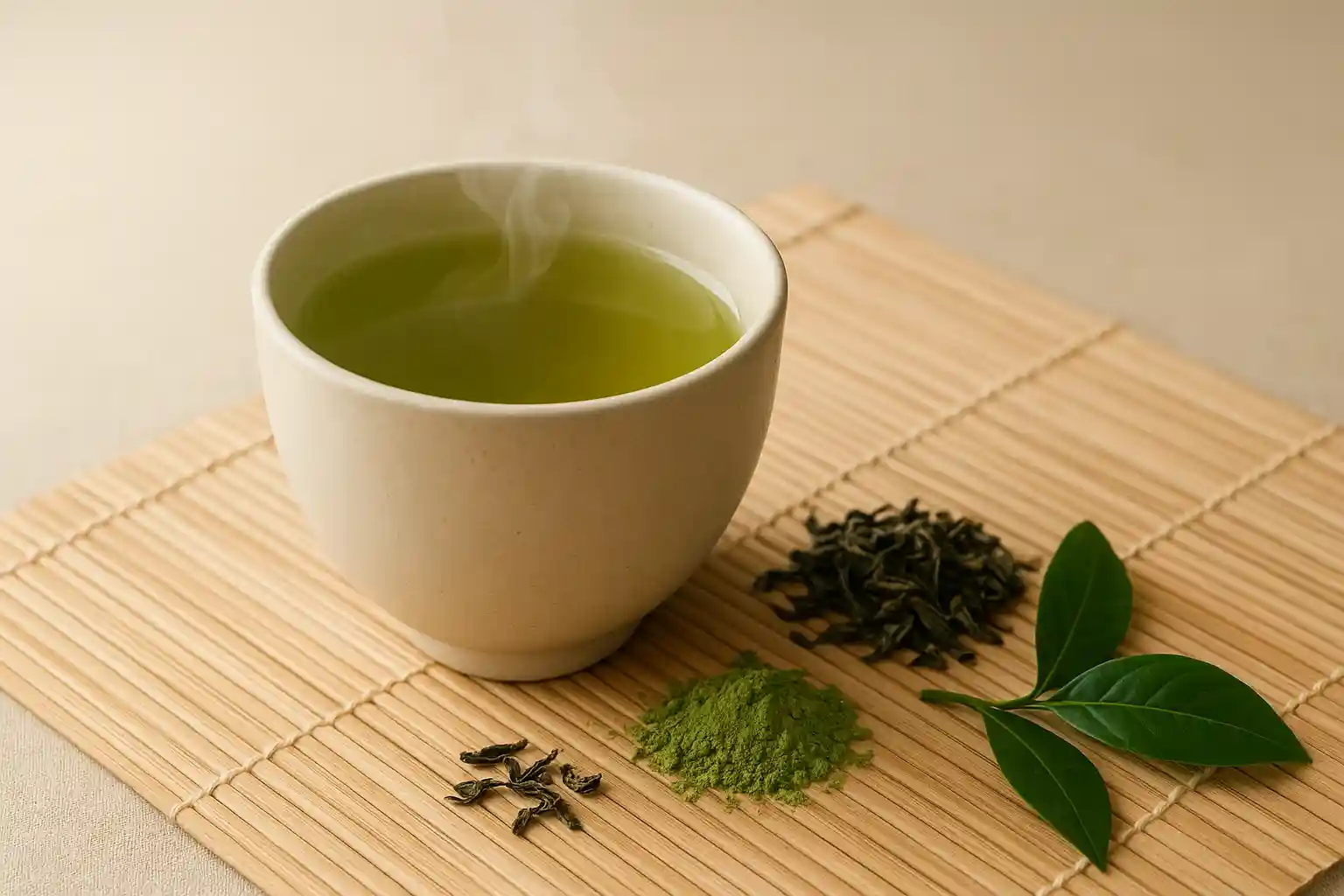
Green tea has been cherished for centuries, known for its refreshing taste and wide-ranging benefits. From antioxidants to metabolism support, green tea offers numerous advantages for anyone who includes it in their daily routine. In this comprehensive guide, we’ll explore green tea’s history, nutritional profile, health benefits, preparation methods, cultural uses, and the variety of green teas available at Health Embassy. By the end, you’ll have everything you need to enjoy green tea and fully understand its amazing green tea benefits as part of your daily lifestyle.
The Origins of Green Tea
Green tea originated in China over 4,000 years ago. Emperor Shennong is often credited with discovering its medicinal properties, reportedly when a tea leaf accidentally fell into boiling water he was drinking. Over centuries, green tea spread throughout Asia, including Japan and India, each region cultivating its own varieties with unique flavors, aromas, and preparation traditions.
In Japan, the ceremonial use of green tea became an integral part of culture, influencing everything from art to daily rituals. Japanese green teas like Sencha, Matcha, and Gyokuro emphasize subtle flavors and precise preparation. Meanwhile, Chinese green teas such as Longjing and Gunpowder are celebrated for their robust taste and versatile culinary uses.
Today, green tea is cultivated globally, including in India’s Darjeeling region and Sri Lanka, making it accessible to tea lovers worldwide. Its history is not only a story of a beverage but also of cultural exchange, centuries-long tradition, and the well-known green tea benefits that have made it a staple in daily routines.
Nutritional Composition
Green tea is a powerhouse of bioactive compounds, offering a wide range of green tea benefits, making it one of the healthiest beverages available. Its main constituents include:
- Polyphenols and catechins: These antioxidants combat free radicals and reduce oxidative stress in the body. Catechins, particularly epigallocatechin gallate (EGCG), are responsible for many of green tea’s health-promoting effects.
- Caffeine: Green tea contains about 20–45 mg of caffeine per cup, offering a gentle energy boost without the jitters common with coffee.
- L-theanine: An amino acid that promotes relaxation while improving focus, balancing the mild stimulating effects of caffeine.
- Vitamins and minerals: Small amounts of vitamins B2, C, and E, along with minerals like manganese and zinc, support overall wellness.
The combination of antioxidants, amino acids, and micronutrients in green tea provides numerous green tea benefits, making it a functional beverage that nourishes the body while supporting mental alertness.
Green Tea Benefits
Antioxidant Properties
One of the primary green tea benefits is its powerful antioxidant content. Catechins, particularly EGCG, protect cells from oxidative damage caused by free radicals. These antioxidants can help reduce chronic inflammation and support long-term health. Regular consumption of green tea has been associated with lower oxidative stress, which is a key factor in many age-related conditions.
Promotes Heart Health
Green tea supports cardiovascular health in several ways, offering notable green tea benefits:
- Lowers LDL cholesterol: Catechins help reduce “bad” cholesterol while supporting HDL (“good”) cholesterol.
- Improves blood vessel function: Green tea promotes endothelial health, aiding blood flow.
- Reduces blood pressure: Regular consumption can help maintain normal blood pressure levels.
Combined, these effects make green tea an excellent addition to a heart-conscious lifestyle.
Boosts Metabolism
Green tea has gained attention for its potential role in weight management. Catechins, along with moderate caffeine content, can enhance fat oxidation and increase metabolic rate. Studies suggest that drinking green tea consistently may help burn more calories and support healthy body composition, making it a popular beverage for those monitoring weight.
Supports Brain Function
The combination of caffeine and L-theanine provides unique green tea benefits for cognitive function:
- Caffeine boosts alertness, focus, and energy.
- L-theanine promotes calmness, reduces stress, and mitigates potential jitteriness from caffeine.
Together, they improve attention, memory, and mental clarity. These green tea benefits also extend to long-term brain health, with some research exploring its potential in supporting cognitive function as we age.
May Lower the Risk of Certain Cancers
Emerging studies indicate that green tea antioxidants may help protect against certain cancers, including breast, prostate, and colorectal cancers. EGCG can inhibit the growth of cancer cells and reduce the risk of tumor development. While research is ongoing, these findings highlight green tea’s potential as part of a health-conscious lifestyle.
Supports Digestive Health
Green tea may aid digestion, offering notable green tea benefits by stimulating the production of digestive enzymes and promoting a balanced gut microbiome. Drinking green tea after meals can support gentle digestion and reduce bloating, making these green tea benefits a soothing addition to any daily routine.
Skin and Anti-Aging Benefits
Green tea antioxidants can help protect skin from damage caused by free radicals and UV exposure. Regular consumption, along with topical applications of green tea extracts, has been linked to improved skin elasticity, reduced wrinkles, and a healthier complexion.
How to Prepare Green Tea
Traditional Brewing Methods
- Heat water to around 175°F (80°C). Avoid boiling, as it can scald the leaves.
- Steep green tea leaves for 2–3 minutes. Longer steeping may make the tea bitter.
- Strain the leaves and serve hot or let it cool for iced green tea.
Iced Green Tea
- Use slightly more leaves to account for ice dilution.
- Brew as usual, cool to room temperature, then refrigerate.
- Serve over ice with a slice of lemon, orange, or mint for a refreshing twist.
Green Tea Recipes and Infusions
Green tea can also be incorporated into creative recipes:
- Green tea latte: Mix brewed green tea with milk or plant-based alternatives and a touch of honey.
- Green tea smoothie: Blend green tea with banana, spinach, and a scoop of protein powder for a nutrient-packed drink.
- Cooking with green tea: Use powdered green tea (matcha) in baked goods, salad dressings, or as a seasoning for rice and noodles.
These applications make green tea versatile, allowing you to enjoy its flavor and benefits in multiple ways.
Side Effects and Considerations
While green tea is generally safe, excessive consumption may cause:
- Insomnia or restlessness due to caffeine
- Stomach upset from tannins
- Heart palpitations in sensitive individuals
Pregnant and breastfeeding women, as well as people with certain medical conditions, should consult a healthcare provider before consuming large amounts of green tea. Drinking 2–3 cups per day is safe for most adults and provides the optimal benefits.
Varieties of Green Tea Available at Health Embassy
Health Embassy offers a wide range of green teas, each with unique flavors and properties:


Each variety provides a different taste experience while delivering green tea benefits consistently.
Cultural Significance of Green Tea
Green tea is more than a beverage; it is deeply embedded in culture and tradition:
- Japan: Tea ceremonies reflect mindfulness and respect.
- China: Green tea is associated with hospitality, tradition, and health.
- India and Sri Lanka: Green tea is increasingly popular, complementing traditional black tea culture.
Drinking green tea can be a mindful ritual that connects you to centuries of cultural history.
Final Thoughts
Green tea is more than just a soothing beverage; it is a versatile, nutrient-rich drink that offers an array of green tea benefits for mind, body, and overall well-being. From supporting heart and brain health to aiding digestion, boosting metabolism, and providing powerful antioxidants, green tea has earned its place as a staple in daily routines worldwide. Its long history, diverse flavors, and cultural significance make it not only a healthy choice but also a delightful experience for tea lovers everywhere.
Explore reputable sources online to deepen your understanding of green tea and uncover new ways to enjoy its benefits.
Start your green tea journey today—brew, sip, and savor every moment while embracing a healthier, more mindful lifestyle.
FAQ About Green Tea
1. How many cups of green tea should I drink daily to enjoy its benefits?
For most adults, 2–3 cups per day is sufficient to reap the optimal green tea benefits without causing side effects like restlessness or stomach upset.
2. Can I drink green tea on an empty stomach?
Drinking green tea on an empty stomach is generally safe for most people, but some may experience mild stomach discomfort due to tannins. Enjoying it after a light meal can be gentler.
3. Does green tea help with weight management?
Yes, green tea benefits include metabolism support and enhanced fat oxidation, which can complement a healthy diet and exercise routine.
4. Are there different types of green tea, and do they have different benefits?
Yes. Varieties like Sencha, Matcha, Gunpowder, and Yunnan Green Tea differ in flavor, antioxidant content, and aroma, but all provide consistent green tea benefits.
5. Can green tea improve brain function?
The combination of caffeine and L-theanine in green tea supports alertness, focus, and mental clarity, offering cognitive green tea benefits.
6. Are there any side effects of drinking green tea?
Excessive consumption may lead to insomnia, heart palpitations, or stomach upset. Pregnant or breastfeeding women and individuals with certain conditions should consult a healthcare provider before consuming large amounts.
7. Can green tea help with heart health?
Yes, regular consumption supports cardiovascular health by lowering LDL cholesterol, improving blood vessel function, and helping maintain normal blood pressure.
8. How can I incorporate green tea into my daily routine?
You can enjoy green tea traditionally brewed, iced, in lattes or smoothies, or even in cooking and baking. Each method provides enjoyable flavor along with the green tea benefits.
Disclaimer:
The information provided in this blog post is for general informational purposes only and is based on information available from various online sources. It is not intended to be a substitute for professional medical advice, diagnosis, or treatment. If you have any health conditions, allergies, or are pregnant or breastfeeding, please consult a healthcare professional before consuming herbal products. Health Embassy does not provide medical advice, nor does it diagnose, treat, or cure any medical conditions.
We do not guarantee the accuracy, completeness, or usefulness of any information provided, and you rely on it at your own risk. Individual results may vary. Health Embassy is not responsible for any adverse effects or consequences resulting from the use of any herbal products discussed on this blog.