No products in the basket.
Herbal Reset After Christmas: 5 Gentle Herbal Ways to Restore Balance Between Christmas and New Year
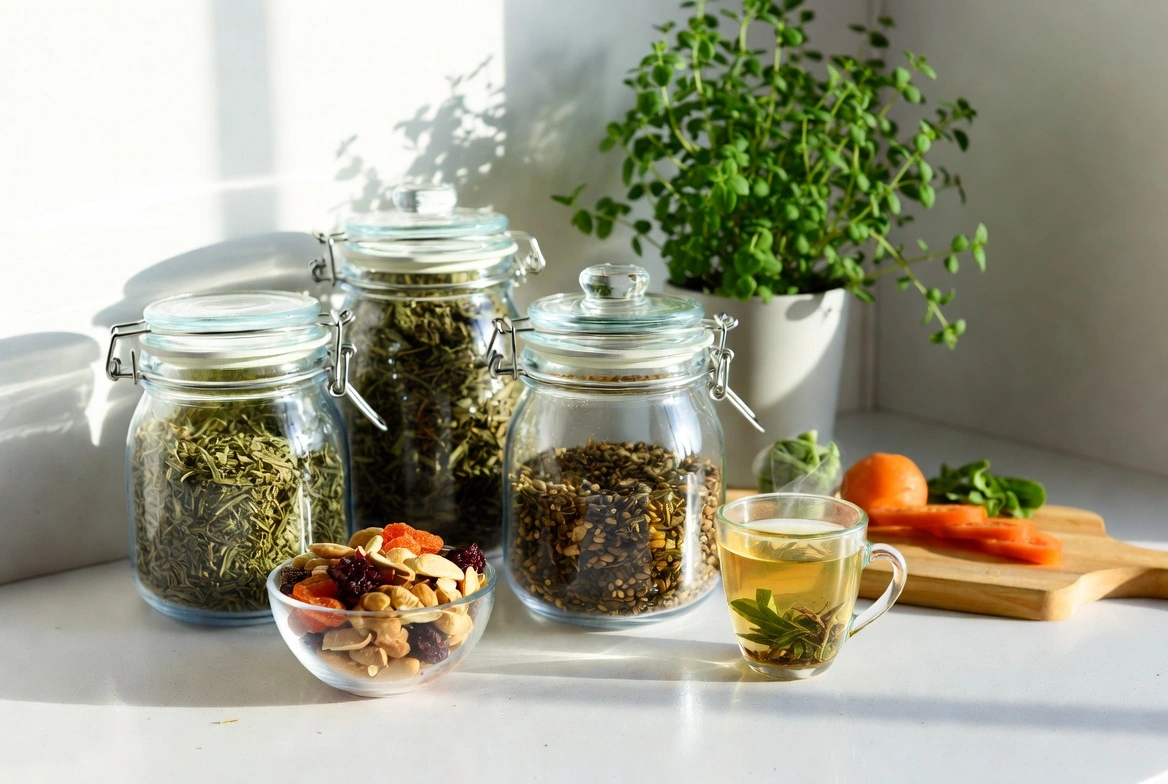
The days between Christmas and New Year have a very particular atmosphere. The main celebrations are behind us, the table is finally quieter, and many people naturally begin to look for lighter routines without rushing into strict resolutions. After rich meals, late evenings, and indulgent treats, there is often a desire to return to simpler habits that feel calm and grounding rather than restrictive.
This period is not about extremes. Instead, it is an ideal moment for a herbal reset after Christmas that focuses on traditional practices, gentle flavours, and familiar kitchen rituals. Across cultures, dried herbs, seeds, and loose-leaf teas have long been used after festive meals as part of everyday cooking and infusions. These practices were never framed as trends or quick fixes; they were simply part of seasonal rhythm.
In this article, we explore how a herbal reset after Christmas can be approached through practical, everyday use of dried herbs and teas from the Health Embassy range, focusing on single-ingredient products designed for flexible, traditional preparation. Drawing on traditional culinary habits and simple preparation methods, we show how Health Embassy products can fit naturally into the days between Christmas and New Year as part of a calm, thoughtful transition into the next season.
Why the Period Between Christmas and New Year Feels Different
Unlike the rest of the festive season, the days after Christmas are often slower and quieter. Social obligations ease, shops are less crowded, and meals become more spontaneous. This change in pace makes people more receptive to lighter foods, simpler flavours, and warming drinks that do not overwhelm the senses.
From a culinary perspective, this is also when leftover-rich dishes begin to give way to soups, broths, porridges, and teas. Historically, this shift was practical as well as seasonal. Dried herbs, seeds, and roots stored through winter were commonly prepared as infusions or added to modest meals during this transitional period.
A herbal reset after Christmas does not require eliminating festive foods entirely. Instead, it introduces balance by reintroducing lighter preparations alongside regular meals. This is where dried herbs and loose teas become particularly relevant, offering depth of flavour without heaviness.
The Idea of Balance in Traditional Herbal Practices
The concept of balance appears repeatedly in traditional European, Middle Eastern, and Asian food cultures. After times of abundance, people naturally gravitated toward simpler, warming ingredients that supported everyday routines.
Rather than focusing on the body in technical terms, these traditions focused on how food felt: whether it was heavy or light, warming or cooling, grounding or refreshing. A herbal reset after Christmas fits neatly into this way of thinking. It is not about restriction, but about choosing preparations that feel appropriate for the season and the moment.
Dried leaves, seeds, and roots were especially valued because they were easy to store and quick to prepare. A single teaspoon of a loose herb could be infused in hot water or added to a dish, making it simple to adjust meals without changing the entire menu.
Dried Herbs as Everyday Kitchen Ingredients
One of the most practical ways to approach a herbal reset after Christmas is to treat dried herbs as regular kitchen ingredients rather than items reserved only for tea.
Stinging Nettle Leaf
For example, Stinging Nettle Leaf can be prepared as a mild infusion using 1–2 teaspoons per cup of hot water, steeped for around 10 minutes.
This infusion is often enjoyed after heavier meals in the early evening as a simple, warm drink.
The same Nettle Leaf can also be added directly to vegetable soups or lentil dishes during the last few minutes of cooking.

Dandelion Leaf
Dandelion Leaf is commonly used in a similar way. As a dried leaf, it is typically prepared by infusing 1–2 teaspoons in hot water and allowing it to steep for around 10 minutes before straining. It can be used on its own or combined with other dried leaves to create a more balanced flavour profile.
In cooking, small amounts of the dried leaf can be added directly to grain-based dishes such as barley, buckwheat, or rice during cooking, where it introduces a gently bitter note that contrasts well with rich festive leftovers.

Thyme Herb
Thyme Herb works particularly well in post-festive cooking. As a dried herb, it can be added in small quantities to light broths, clear soups, or roasted vegetables.
A simple preparation involves adding 1–2 teaspoons of dried thyme to a pot with chopped vegetables and water, then gently simmering for 20–30 minutes. This creates a fragrant base for soups that feel lighter and more restrained than traditional holiday dishes.

Sweet Woodruff Herb
Sweet Woodruff Herb is traditionally used in very small quantities. As a dried herb, it is typically prepared by infusing around ½–1 teaspoon in hot water and allowing it to steep for 5–7 minutes before straining.
After Christmas, it can be prepared as a gentle infusion on its own or blended with other dried herbs to create a subtly aromatic tea enjoyed in the afternoon or early evening.

Health Embassy offers a wide range of dried herbs prepared as single-ingredient products, making it easy to use small quantities for both infusions and everyday cooking. Their consistent cut and careful packing make them easy to measure and store, which is particularly helpful during busy holiday periods.
Herbal Teas as Part of the Evening Routine for Herbal Reset
Evenings between Christmas and New Year often become quieter, with more time spent at home. This makes herbal teas a natural focal point of a herbal reset after Christmas.
Using loose herbs allows for flexibility and simple blending. A basic evening tea can be prepared using Nettle Leaf combined with a small amount of Thyme Herb. One teaspoon of each is infused in hot water for around 10 minutes, creating a balanced, warming drink suited to slower evenings.
Preparing herbal tea in a simple teapot or heatproof jar reinforces the idea of slowing down and paying attention to routine. This small ritual often becomes a natural replacement for late-night desserts or sweet drinks after festive dinners.
Seeds and Roots in Post-Festive Cooking
Seeds and roots play a subtle but important role in a herbal reset after Christmas, particularly when meals begin to shift away from rich festive food.


Nigella Sativa Seeds, Milk Thistle Seeds, and Flaxseeds Brown are traditionally used in small amounts and fit well into post-festive cooking.
Nigella sativa seeds can be sprinkled over homemade breads, flatbreads, or roasted vegetables just before baking. Milk thistle seeds are typically lightly crushed and added to warm grain dishes or simple soups during cooking. Brown flaxseeds are commonly mixed into porridges, yoghurts, or baked goods, where they contribute texture without dominating flavour.
For a warm drink, Milk Thistle Seeds or Flaxseeds Brown can be gently simmered using around one teaspoon of seeds per cup of water for several minutes, then strained before serving. These simple preparations, perfect for an herbal reset, align well with everyday kitchen habits between Christmas and New Year.
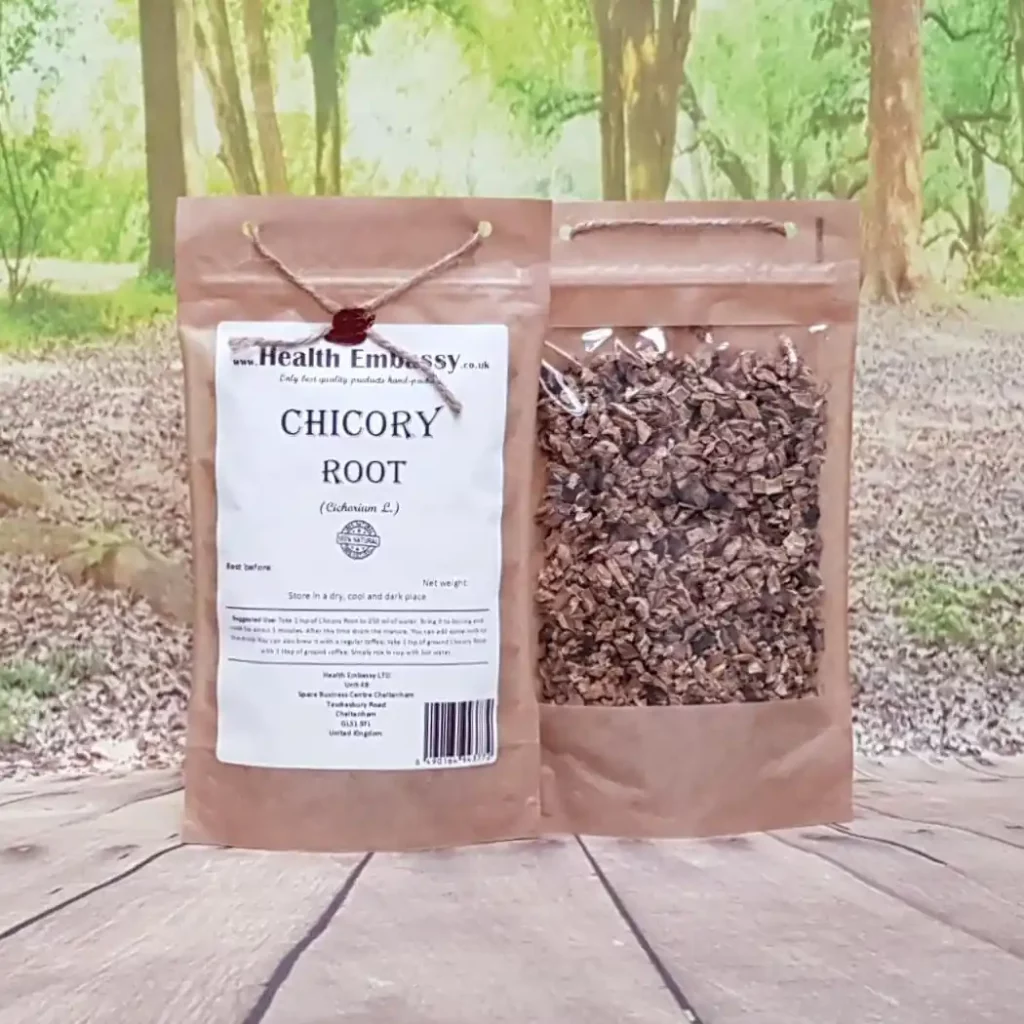

Roots such as Chicory Root and Dandelion Root are commonly prepared as roasted infusions. The dried root is gently simmered or steeped in hot water to create a dark, aromatic drink that many people choose as an alternative to stronger beverages during the winter months.
These preparations for an herbal reset require minimal equipment and align well with everyday kitchen habits, allowing customers to experiment with small quantities and familiar methods.
Creating a Gentle Daily Rhythm
A successful herbal reset after Christmas is less about specific ingredients and more about rhythm. The days between celebrations and New Year’s Eve are ideal for reintroducing structure without pressure.
A simple daily rhythm using Health Embassy products might include:
- Morning: a light infusion prepared with Nettle Leaf or Dandelion Leaf
- Midday: soups or grain dishes seasoned with Thyme Herb or a pinch of Nigella Sativa Seeds
- Evening: a warm drink made from Dandelion Root or a roasted Chicory Root infusion
These small, consistent habits help transition from festive abundance to everyday routines without abrupt changes.
Storage and Organisation After the Holidays
The end of the year is also a practical moment to reorganise kitchen cupboards. Many people receive food gifts during Christmas, which can lead to crowded shelves and forgotten items.
Dried herbs, teas, seeds, and powders benefit from being clearly labelled and stored in airtight containers away from heat and light. Reorganising herbs at this time supports a herbal reset after Christmas by making ingredients more visible and accessible. When herbs are easy to reach, they are more likely to be used regularly rather than saved for special occasions.
Traditional Knowledge Without Trends
Modern discussions often frame post-holiday routines in terms of trends and challenges. However, traditional herbal practices rarely relied on dramatic changes. They emphasised continuity, seasonality, and moderation.
By returning to simple infusions, light meals, and familiar ingredients, a herbal reset after Christmas becomes an extension of everyday cooking rather than a separate project. This approach aligns naturally with the Health Embassy range, which focuses on single-ingredient dried products intended for flexible use.
Moving Gently Toward the New Year
As New Year’s Eve approaches, the goal is not perfection but readiness. A herbal reset after Christmas provides space to reflect, simplify, and re-establish routines that feel sustainable.
Using dried herbs, seeds, and teas as part of this herbal reset reinforces the idea that balance comes from consistency rather than restriction. Whether prepared as infusions, added to meals, or enjoyed as quiet evening drinks, these ingredients offer a practical way to move forward calmly.
Health Embassy products fit naturally into this period, supporting traditional preparation methods and everyday use through clearly defined single-ingredient herbs, seeds, roots, and loose herbal teas. As the year turns, these small rituals often remain, forming the foundation of a well-organised pantry and a more intentional approach to daily cooking.
In this way, the days between Christmas and New Year become not a pause, but a gentle bridge—one shaped by simple herbs, warm cups, and familiar kitchen habits.
FAQ: Herbal Reset After Christmas
1. What is a herbal reset?
A herbal reset is a gentle way to reintroduce light, simple herbal preparations after rich meals, helping your routine feel balanced between Christmas and New Year.
2. Which Health Embassy products are best for a herbal reset?
Dried herbs and seeds such as Nettle Leaf, Dandelion Leaf, Thyme Herb, Sweet Woodruff Herb, Milk Thistle Seeds, Flaxseeds Brown, and roots like Chicory Root and Dandelion Root are ideal.
3. How do I prepare herbs for a herbal reset?
Most herbs can be infused in hot water: 1–2 teaspoons per cup, steeped for 5–10 minutes, depending on the herb. Seeds and roots can be simmered gently for a few minutes to extract flavour.
4. Can I use these herbs in cooking?
Yes. Nettle Leaf and Dandelion Leaf can be added to soups or grains. Thyme Herb works in broths and roasted vegetables. Seeds like Milk Thistle and Flaxseeds Brown can be added to porridges, baked goods, or grain salads.
5. How often should I do a herbal reset?
A simple routine of herbal infusions or light herbal dishes once or twice daily between Christmas and New Year is sufficient to restore a sense of calm and balance in the kitchen.
6. Can I blend herbs for flavour?
Absolutely. Herbs like Sweet Woodruff can be combined with Nettle Leaf or Thyme for a subtly aromatic tea. Small blends allow for variety without overwhelming flavour.
7. Are there any special storage tips for a herbal reset?
Store dried herbs, seeds, and roots in airtight containers away from heat and light. This keeps them fresh and ready to use in infusions, cooking, or baking during the post-festive period.
Disclaimer:
The information provided in this blog post is for general informational purposes only and is based on information available from various online sources. It is not intended to be a substitute for professional medical advice, diagnosis, or treatment. If you have any health conditions, allergies, or are pregnant or breastfeeding, please consult a healthcare professional before consuming herbal products. Health Embassy does not provide medical advice, nor does it diagnose, treat, or cure any medical conditions.
We do not guarantee the accuracy, completeness, or usefulness of any information provided, and you rely on it at your own risk. Individual results may vary. Health Embassy is not responsible for any adverse effects or consequences resulting from the use of any herbal products discussed on this blog.