No products in the basket.
5 Powerful Ancient European Herbs for Respiratory Wellness: Traditional Uses & Modern Tea Recipes
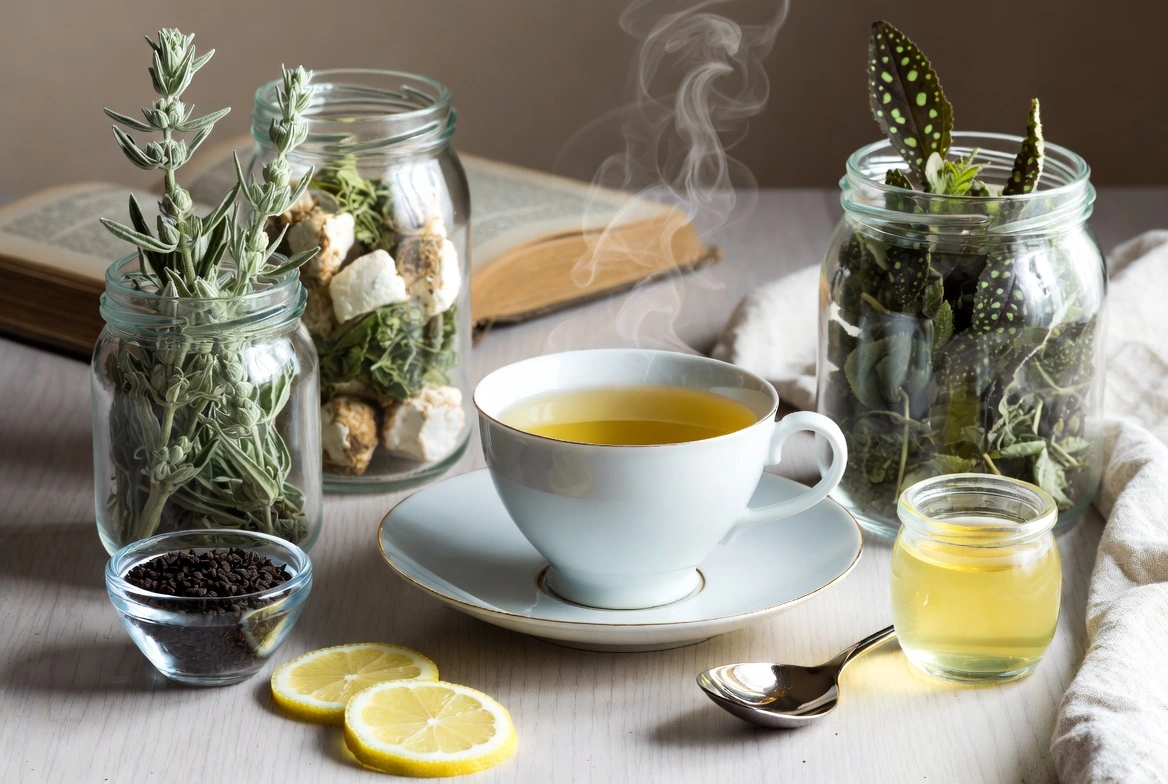
From medieval monastic gardens to today’s British herbal kitchens, a handful of traditional plants have earned a special place in seasonal tea rituals. Among the most respected herbs for respiratory comfort and seasonal wellbeing are Mugwort Herb, Marshmallow Root & Leaf, Lungwort Herb, and Nigella Sativa Seeds or Powder. These herbs travelled through centuries of European tradition — from German monastic gardens and Balkan village kitchens to rural Britain — where they were valued for their warming, aromatic, or soothing character.
In recent years, UK tea drinkers have rediscovered them as comforting ingredients that bring depth, heritage, and a sense of ritual to a warm cup. Their flavour, their history, and their role in seasonal herbal culture make them favourites among British home brewers, herbal enthusiasts, and anyone who enjoys a traditional infusion on colder days.
This expanded guide explores the origins, uses, and five simple tea recipes you can prepare at home today using traditional herbs for respiratory.
Ancient European Roots of Four Classic Herbs
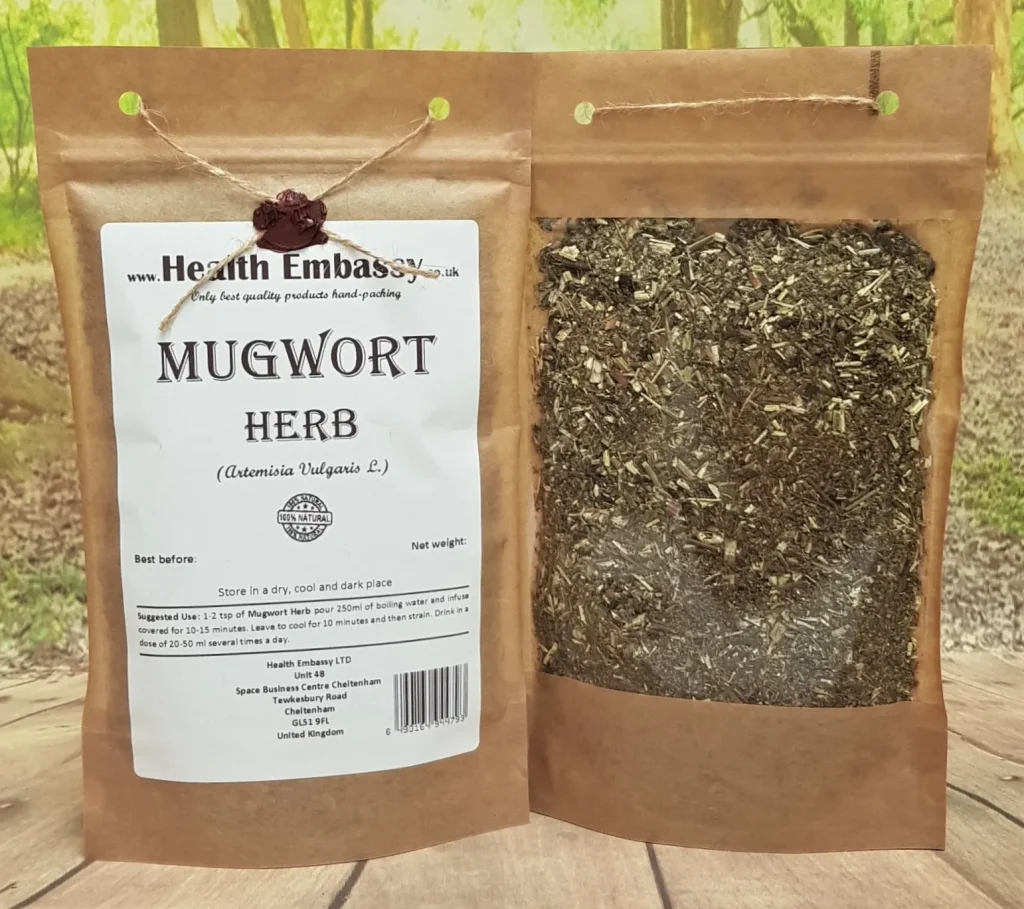
Mugwort Herb (Artemisia vulgaris)
Mugwort is one of the most historically significant herbs in early northern European herbal lore. Mentioned in the 10th-century Anglo-Saxon Lacnunga manuscript as one of the “Nine Sacred Herbs”, it was believed to offer protection, warmth and general warding properties, which helped popularize its use across medieval herbal and folk traditions.
For centuries it appeared in teas prepared during cold seasons, particularly in rural Britain, Germany, and the Baltic regions.
Traditionally, people valued its aromatic strength and slightly bitter profile. It was gathered around midsummer, dried, and stored for autumn and winter infusions. Even today, British herbal tea enthusiasts appreciate its bold, earthy taste, which blends well with softer herbs for respiratory.
Its role was not limited to beverages: Mugwort Herb was once added to beer, used in early brewing recipes, and burned as an aromatic household herb. When used in tea, only small amounts are required because of its powerful flavour.

Marshmallow Root & Leaf (Althaea officinalis)
Marshmallow has one of the longest documented histories among European herbs. Over 2,500 years ago it appeared in Egyptian herbal records.
Hippocrates wrote about using the plant, and by the Middle Ages it was cultivated in nearly every monastery garden across France, Poland, and Germany.

Both the root and the leaf were valued, though each offered a slightly different texture in tea. When steeped, the root releases a soft, mellow quality thanks to its natural plant compounds. The leaf, on the other hand, brings a lighter, gentler profile.
Because of this unique texture, Marshmallow Root and Marshmallow Leaf became popular across Eastern Europe and the British Isles as ingredients in warm seasonal infusions made with traditional herbs for respiratory, enjoyed when the air felt dry or chilly. In modern UK kitchens, Marshmallow is often the first ingredient added to blends designed for a smooth, gentle cup.
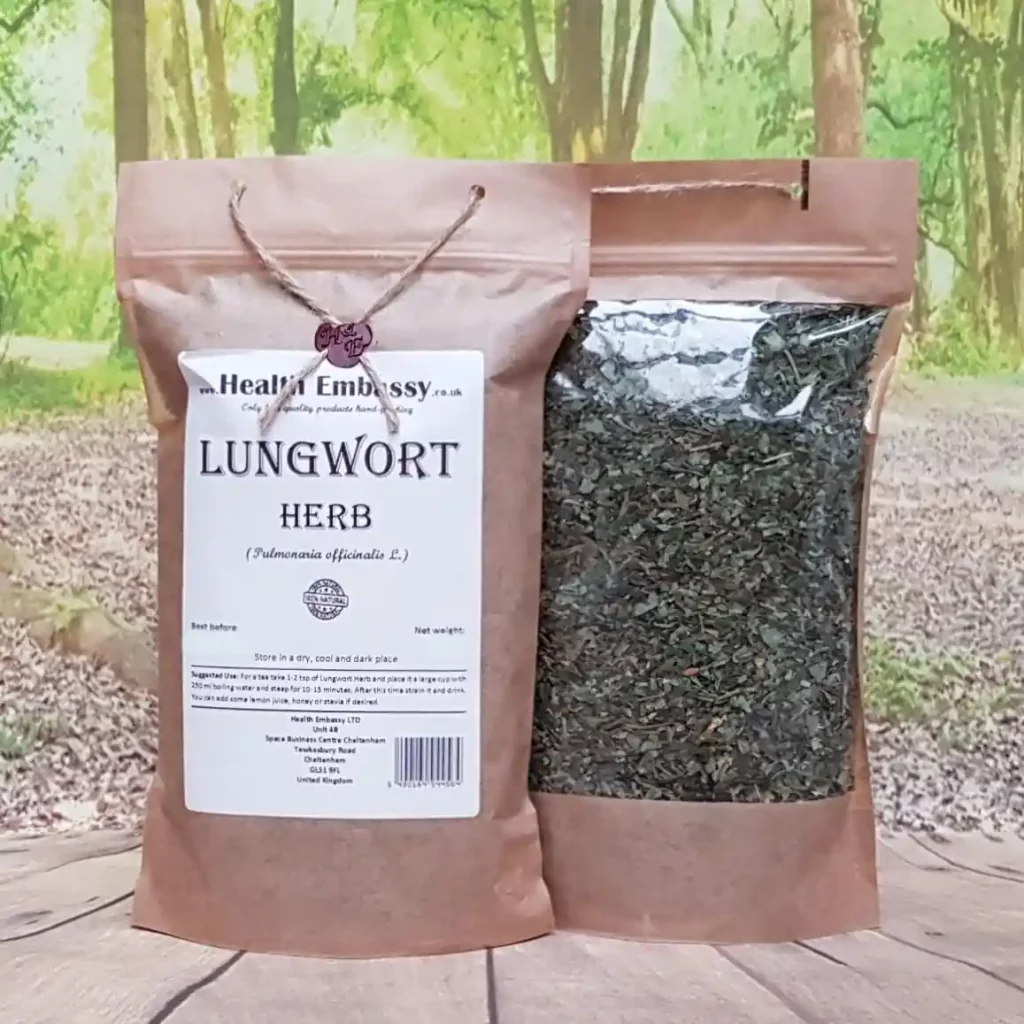
Lungwort Herb (Pulmonaria officinalis)
Lungwort is one of Europe’s most visually distinctive herbs for respiratory traditions. Its spotted leaves reminded medieval herbalists of lung tissue, which formed the basis of the old “Doctrine of Signatures”t (more info at here) — the idea that plants resemble the body parts they support.
Regardless of that belief system, Lungwort became a standard garden herb in Germany, Poland, Bohemia, and England from the 13th century onward. It was harvested in spring and early autumn, dried carefully, and added to warm herbal brews. In many regions, families prepared it as a household tea to welcome cooler evenings.
Lungwort has an earthy, slightly sweet flavour that pairs well with Mugwort and Marshmallow, making it a key ingredient among traditional herbs for respiratory. It remains one of the most characteristic flavours in traditional Eastern European blends..

Nigella Sativa – Black Cumin Seeds & Powder
Nigella Sativa has a rich history, beginning in the Middle East and travelling to Europe through medieval spice routes.
The tiny black seeds were used in cooking throughout Turkey, the Middle East, the Balkans, and later Poland, Ukraine, and Hungary.

In tea blends, a pinch of crushed Nigella Seeds or Nigella Powder adds:
- warmth
- a peppery, slightly nutty note
- aromatic depth
While Nigella is better known as a culinary spice, British herbalists increasingly use it to enhance the flavour of warm infusions made with traditional herbs for respiratory. It complements Mugwort and Lungwort beautifully, balancing their earthy character with a distinctive, lightly spiced finish.
How These Herbs Are Enjoyed in the UK Today
Modern herbal tea lovers reach for these herbs for respiratory primarily for their comforting and grounding qualities. Teachers, public speakers, yoga instructors, office workers, and anyone spending long hours in dry environments often enjoy them during breaks or in the evening.
Here’s how people commonly use these herbs today:
- Simple evening cup with Marshmallow Root & Leaf
- Morning aromatic brew with Mugwort and a pinch of Nigella
- Traditional Eastern-style blend combining Lungwort, Marshmallow, and a hint of Mugwort
- Iced summer herbal infusion made with double-strength tea
Most prefer to keep their cup simple: just herbs, water, and optionally a splash of lemon or a spoon of local honey.
Five Modern Tea Recipes Using Traditional Herbs for Respiratory
These recipes highlight the heritage of European herbalism while offering simple, everyday ways to enjoy these classic herbs for respiratory traditions.
Recipe 1 – Classic Eastern European Respiratory Tea
(the most traditional combination)
- 1 heaped teaspoon Lungwort Herb
- 1 heaped teaspoon Marshmallow Root
- ½ teaspoon Marshmallow Leaf
- ½ teaspoon Mugwort Herb
- Small pinch of lightly crushed Nigella Seeds
Preparation:
Add ingredients to a teapot or cup. Pour over 500 ml of freshly boiled water, cover, and steep 12–15 minutes. Strain and enjoy warm.
This blend offers a flavour profile that has been enjoyed across Europe for generations.
Recipe 2 – Gentle Evening Soother
(perfect before bed)
- 1 teaspoon Marshmallow Root
- 1 teaspoon Marshmallow Leaf
- ¼ teaspoon Mugwort Herb
Cover and steep for 10 minutes. The flavour is soft, mellow, and naturally sweeter than other herbs in this group.
Recipe 3 – Morning Clarity Blend
- 1 teaspoon Lungwort Herb
- ½ teaspoon Mugwort Herb
- Small pinch of Nigella Powder stirred in at the end
Aromatic and warming, this tea is enjoyed as a first-thing-in-the-morning cup during cooler months.
Recipe 4 – Single-Herb Introduction Cups
If you’re new to herbs for respiratory heritage teas, try these simple one-ingredient brews:
- Pure Marshmallow Leaf Tea – light, clean, and friendly for beginners
- Pure Lungwort Herb Tea – earthy and traditional
- Pure Mugwort Herb Tea – strong and aromatic; use small amounts
These introduction cups help you understand each herb’s flavour before blending them.
Recipe 5 – Iced Summer Refresher
- Prepare the Classic Blend at double strength
- Let it cool fully
- Add 1 teaspoon of raw honey (optional)
- Add a slice of fresh lemon
- Serve over ice
This chilled version keeps the character of traditional herbs while transforming them into a warm-weather drink.
Additional Ways to Use These Herbs in Modern British Kitchens
Beyond traditional teas, these herbs for respiratory can be enjoyed in a variety of simple, everyday ways. From aromatic experiences to culinary touches, incorporating them into your kitchen routine allows you to explore their flavours and traditions in new and creative ways.
Herbal Steam (Aromatic Only)
Some people enjoy the scent of these herbs in an aromatic steam above a bowl of warm water. This is a traditional European practice used during cold months strictly for comfort and sensory pleasure.
Culinary Uses for Nigella Sativa
Nigella Seeds are widely used in breads, crackers, and sprinkled over roasted vegetables. Keeping a small jar near your teapot makes it easy to use in both cooking and brewing.
Practical Tips for Working With Dried Herbs for Respiratory
To get the best flavour and maintain their traditional characteristics, consider the following:
- Store herbs in airtight glass containers away from heat and direct light.
- Keep root-based herbs (like Marshmallow Root) in a separate jar from delicate leaves.
- Always start with smaller amounts when using strong aromatic herbs such as dried Mugwort.
- Many people enjoy 2–3 cups throughout the day, spreading them across morning, afternoon, and evening.
- If you have allergies, sensitivities, or are pregnant, breastfeeding, or taking medication, consult a qualified healthcare professional before using new herbs.
These practices ensure your herbal shelf stays fresh, organised, and easy to use.
The Revival of European Herbal Culture in the UK
Across Britain, there is a small but growing movement reconnecting with historical European herbal traditions. People enjoy learning how their grandparents or great-grandparents may have used simple herbs for respiratory at home — not as medicines, but as part of daily routine and food culture.
Several trends contribute to this renewed interest:
- The popularity of slow living and traditional foodways
- Increased curiosity about regional and historical plants
- Interest in crafting personalised herbal blends
- Desire for comforting warm beverages during long autumns and winters
Combining Mugwort, Marshmallow, Lungwort, and Nigella is an accessible way to take part in that tradition, reconnect with the past, and enjoy a flavour profile rooted in centuries of European heritage.
Create Your Own Traditional Herbs For Respiratory Collection
If you’d like all four herbs in one place, you can prepare a dedicated “respiratory tradition” section in your home herbal cupboard:
- Mugwort Herb
- Marshmallow Root
- Marshmallow Leaf
- Lungwort Herb
- Nigella Sativa Seeds or Powder
Each can be used alone or mixed depending on the season and the desired flavour. Many herbal enthusiasts enjoy experimenting by adjusting quantities until they find their favourite blend.
Exploring Ancient European Herbs for Respiratory Traditions
These ancient herbs for respiratory traditions have travelled from medieval gardens to modern British kitchens with remarkable continuity. Whether you enjoy them for their historical significance, their aromatic character, or the simple pleasure of a warm cup, they offer a connection to Europe’s living herbal heritage.
Their flavours — soft, earthy, warming, spiced — create a truly timeless combination. With the recipes and ideas above, you can begin your own exploration of these fascinating plants.
FAQ: Herbs for Respiratory
1. What are the best herbs for respiratory health?
Traditional European herbs for respiratory include Mugwort, Marshmallow Root & Leaf, Lungwort, and Nigella Sativa. These herbs have long been used in teas and infusions for their aromatic, warming, and soothing qualities.
2. How do I make a tea using herbs for respiratory purposes?
Combine small amounts of Mugwort, Marshmallow, Lungwort, and a pinch of Nigella Sativa seeds. Steep in hot water for 10–15 minutes and enjoy warm. Optional additions like honey or lemon can enhance flavour.
3. Can these herbs support lung health?
Many herbs for respiratory are also traditionally valued as herbs for lung health, especially when used in gentle teas. They are primarily used for comfort, aroma, and soothing seasonal enjoyment rather than as medical treatments.
4. Should these herbs be used individually or in blends?
Both options are fine. For a lighter cup, try Marshmallow Leaf alone. For more aromatic teas, blend Mugwort and Lungwort. Using combinations of herbs for respiratory balances flavour, aroma, and tradition.
5. How should I store herbs for respiratory teas?
Store dried herbs in airtight glass jars, away from sunlight and heat. Keeping roots and leaves separate helps preserve aroma and flavour for months, ensuring your herbs for respiratory remain fresh.
6. Are herbs for respiratory teas safe for children?
Most herbs for respiratory teas are mild, but some, like Mugwort, are not recommended for young children. Gentler options like Marshmallow Leaf tea are preferable. Always consult a healthcare professional for guidance.
7. Where can I buy quality herbs for respiratory teas?
Health Embassy offers a range of high-quality dried herbs for respiratory, including Mugwort, Marshmallow, Lungwort, and Nigella Sativa. They can be purchased individually or as part of a traditional respiratory collection for easy home brewing.
Disclaimer:
The information provided in this blog post is for general informational purposes only and is based on information available from various online sources. It is not intended to be a substitute for professional medical advice, diagnosis, or treatment. If you have any health conditions, allergies, or are pregnant or breastfeeding, please consult a healthcare professional before consuming herbal products. Health Embassy does not provide medical advice, nor does it diagnose, treat, or cure any medical conditions.
We do not guarantee the accuracy, completeness, or usefulness of any information provided, and you rely on it at your own risk. Individual results may vary. Health Embassy is not responsible for any adverse effects or consequences resulting from the use of any herbal products discussed on this blog.